





Philosophy often looks more intimidating from a distance than it does in practice. The vocabulary can be technical, the books can be difficult and university departments can make the subject feel sealed off from ordinary life.
But many philosophical questions begin in very ordinary places: what counts as fair, when a promise should be broken, whether convenience can justify harm, how much responsibility we have for strangers, or what makes a life go well.
Everyday Decisions Already Contain Values
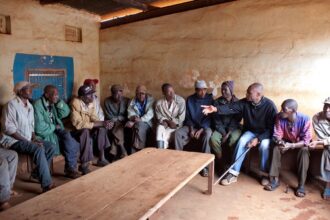
Consider a small workplace disagreement. One person values consistency: the same rule should apply to everyone. Another thinks circumstances matter and an exception is justified. Neither position is automatically foolish. The disagreement is partly about which value should carry more weight.
That is philosophy in a modest form. It does not require announcing a theory before speaking. It requires noticing the assumptions underneath the argument.
Public Philosophy Is Not Simplified Philosophy
Making ideas public should not mean flattening them into slogans. A good public discussion preserves the difficult parts: competing principles, incomplete evidence and the possibility that two reasonable people can still disagree.
Resources such as the Stanford Encyclopedia of Philosophy are useful precisely because they show how much argument sits behind terms that can sound simple in everyday debate.
Disagreement Can Clarify the Question
Public debate is often judged by whether somebody wins. Philosophy offers a different measure. Sometimes progress means discovering that the original question was badly framed, or that two sides were using the same word differently.
That kind of clarification matters in discussions about technology, education, public policy and ordinary relationships. It slows the argument down. Sometimes that is enough.
The Questions Do Not Stay in the Seminar Room
People will continue making choices about fairness, responsibility and freedom whether or not they call those choices philosophical. The useful part of philosophy is not the label. It is the habit of asking what a claim assumes, what it leaves out and what would follow if we accepted it.
Often, the result is not certainty. It is a better question.