





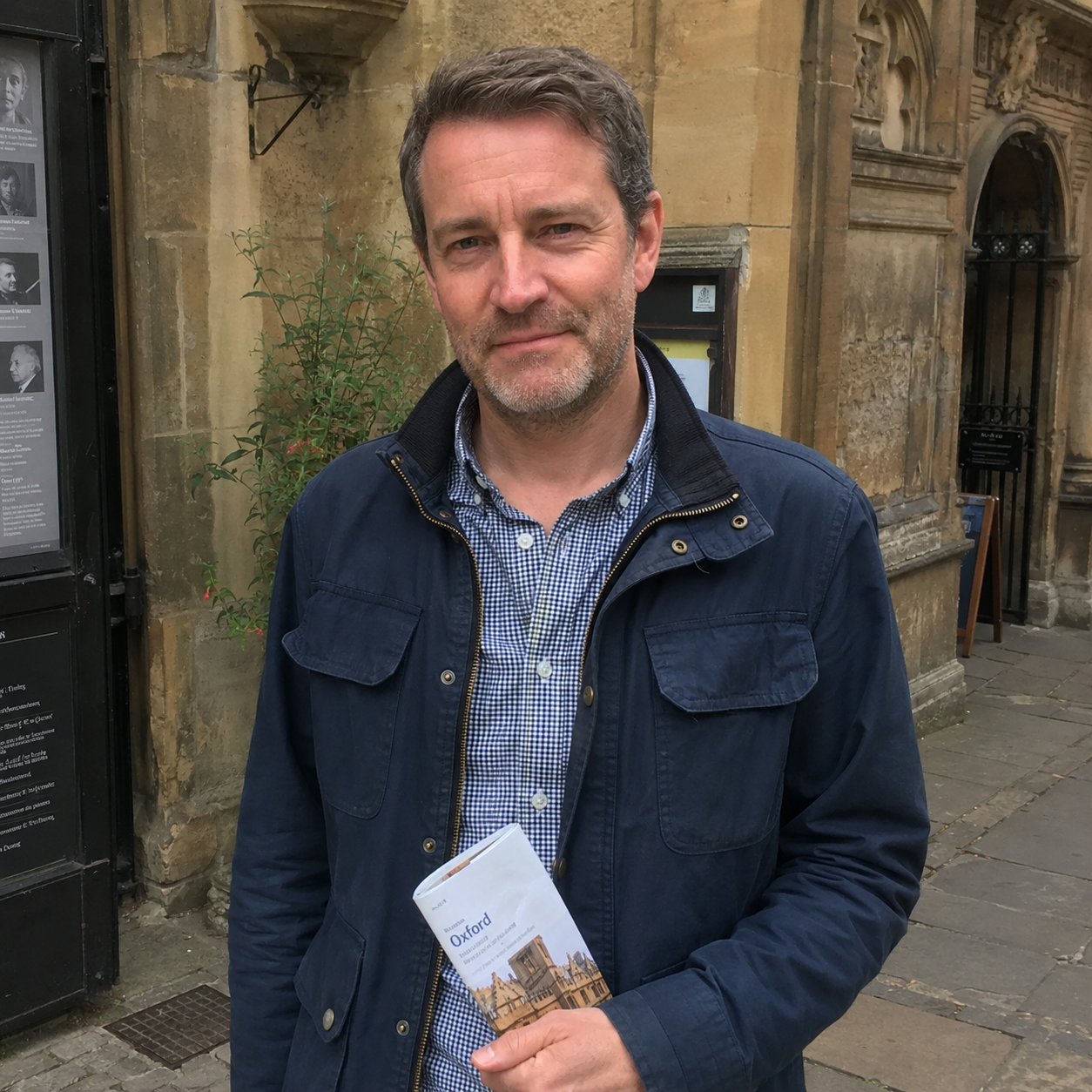

Oxford Public Lectures begin well before the first slide flickers onto the screen or the speaker steps toward the mahogany lectern. Outside the hall, wool coats brush against stone pillars as attendees shake off the evening chill, trading brief pleasantries about the unpredictable weather. Inside, the atmosphere carries a distinct, purposeful hush. People shuffle along wooden rows, folding winter scarves across their knees, rustling stiff programme sheets, and exchanging quiet conversations about what might be said. It is an unhurried choreography of anticipation. Long before any concepts are debated, the room itself is already working as a civic theater, bringing together retired schoolteachers, undergraduate students with heavy canvas rucksacks, neighborhood residents, and visiting scholars who have traveled across the city for a single hour of shared attention. This collective gathering points to a curious cultural persistence. In an era dominated by frictionless digital streaming and portable audio, people still choose to leave their homes, brave the damp evening air, and sit shoulder-to-shoulder in austere university auditoriums to listen to complex ideas delivered live.
The Threshold of Access and the Open Door
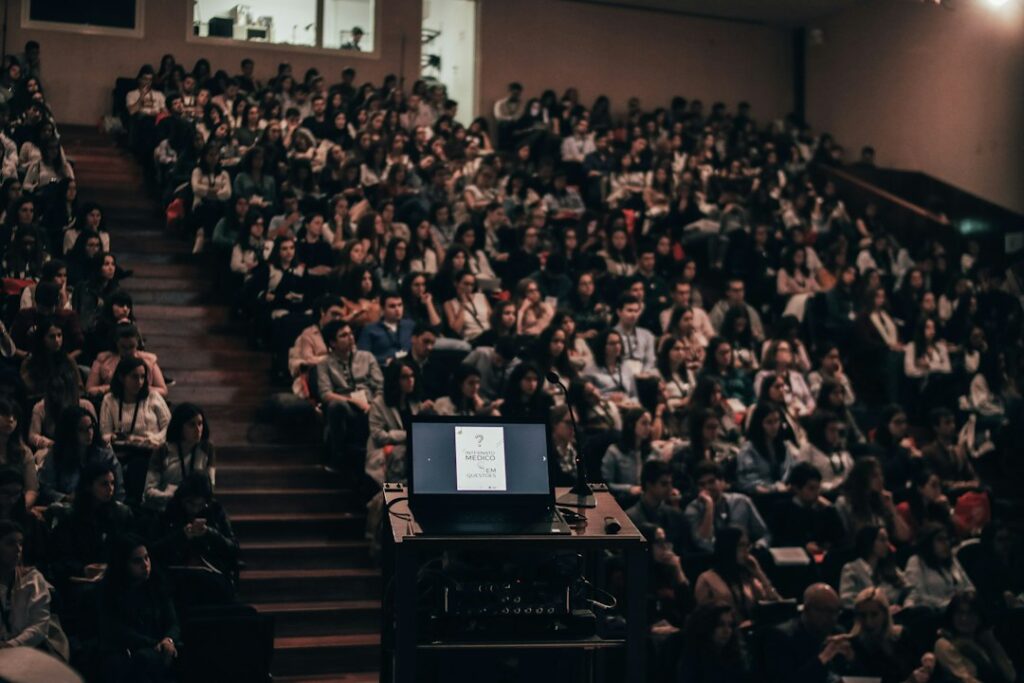
The architecture of a university town often creates invisible boundaries between town and gown, but the public lecture has historically acted as a porous membrane. Access is the foundational promise of these events. Unlike matriculated seminars guarded by tuition fees and administrative gatekeepers, a public lecture invites anyone with a curious mind to cross the threshold. You do not need to enroll in a degree programme or hold a fellowship to claim a wooden seat in the gallery. This openness changes the social chemistry of the room. When local residents sit alongside specialized researchers, the conversation shifts away from esoteric jargon toward matters of common human concern. It connects directly to broader cultural habits regarding how ideas travel beyond books, moving from silent, solitary reading spaces into lively, inhabited rooms where speech takes on immediate physical weight.
Consider the sheer variety of topics hosted across college halls and museum auditoriums, detailed regularly on platforms like the University of Oxford events page, where disciplines range from medieval manuscripts to astrophysics. For many residents, attending these talks is not about professional advancement. People show up for reasons that are distinctly social and experiential rather than purely academic:
- The pleasure of uninterrupted focus in a shared physical space free from digital notifications.
- The shared local ritual of stepping out into a historic city after dark to engage in intellectual curiosity.
- The communal reassurance of realizing that complex global anxieties are being thought through by attentive minds.
Authority, Expertise, and the Speaker at the Lectern
When the speaker stands behind the wooden barrier, an interesting dynamic of authority takes shape. In modern media environments, expertise is often flattened by algorithm-driven feeds that treat a lifelong historian with the same weight as an anonymous social media commentator. A public lecture restores a sense of tangible labor and earned authority. Audiences watch a scholar navigate decades of archival research in real time, observing the hesitations, the careful qualifications, and the structural integrity of an argument built sentence by sentence. This encounter encourages intellectual patience, reminding listeners that critical thinking is mostly about slowing down rather than snapping to immediate conclusions. The speaker does not merely hand over facts; they model a disciplined way of inhabiting uncertainty.
The Ritual of the Question and Answer Session
The tension in any lecture hall usually peaks not during the prepared remarks, but during the opening of the microphone for questions. This is where the lecture transforms from a monologue into a civic exchange. The queue behind the aisle microphone reveals the diverse motivations of the audience. A retired engineer might challenge a premise using local practical experience, followed by a graduate student parsing a fine theoretical distinction. This back-and-forth demonstrates that intellectual life does not belong exclusively to institutions; it requires public friction. When a speaker responds to a pointed, unexpected question from the third row, the entire room participates in the negotiation of meaning. It echoes the ethos found when philosophy starts with everyday questions, grounding grand theoretical frameworks in the immediate realities of human experience.
Navigating Disagreement Without Hostility
One of the quietest miracles of a well-attended public lecture is the containment of disagreement. In digital comment sections, intellectual friction immediately degrades into partisan tribalism and personal hostility. Inside a physical lecture hall, however, opposing viewpoints are usually met with furrowed brows, scribbled notebook entries, and measured phrasing during the microphone queue. Listeners are forced to confront arguments they find unconvincing or uncomfortable while remaining physically proximate to the person speaking. This spatial intimacy preserves a fragile form of civic grace. It reminds us that listening to an adversary or a skeptic requires emotional stamina. The lecture hall acts as a temporary civic container where intellectual disagreement does not have to end in social rupture, offering a model for how communities might process ideological friction without retreating into echo chambers.
What Happens After the Lecture Ends
When the final applause fades and the speaker closes their leather portfolio, the event does not truly conclude. The energy simply spills out of the auditorium doors and onto the stone pavements outside. As attendees stream out into the cool night air, the conversation fractures into dozens of smaller, animated dialogues. Friends debate a controversial statistic under the amber glow of streetlamps, while strangers walking toward the bus stop dissect the speaker’s closing remarks. The ideas presented inside the hall become portable, carried away through narrow alleyways and into neighborhood pubs and kitchen tables across the city. This lingering aftermath is the true measure of why public lectures persist. They do not end with a tidy summary or a concluding slide; they end with people continuing the argument outside.
References
- University of Oxford – Events and Public Lectures Overview: https://www.ox.ac.uk/events
- Oxford Social – How Ideas Travel Beyond Books: https://oxfordsocial.co.uk/how-ideas-travel-beyond-books/
- Oxford Social – Critical Thinking Is Mostly About Slowing Down: https://oxfordsocial.co.uk/critical-thinking-is-mostly-about-slowing-down/
- Oxford Social – Philosophy Starts With Everyday Questions: https://oxfordsocial.co.uk/philosophy-starts-with-everyday-questions/