




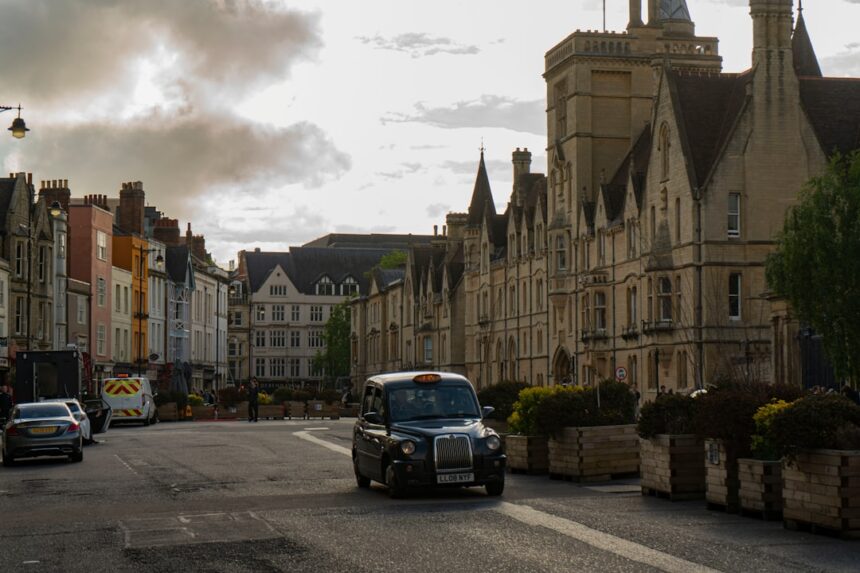
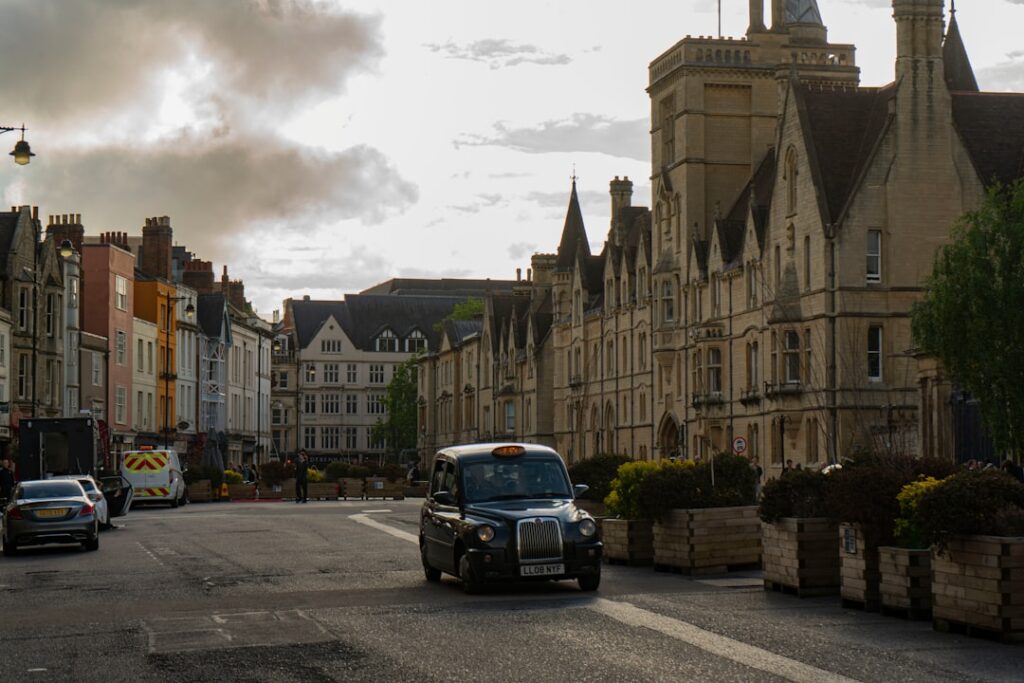
Oxford is usually photographed through buildings. Everyday life, though, happens in the spaces between them: parks, squares, pavements, markets, benches and routes people cross without thinking much about them. These places are where the university city and the ordinary working city overlap.
Green Space Changes the Pace
Port Meadow and University Parks offer very different versions of public green space. One feels broad and open; the other is more deliberately shaped. Both give people somewhere to walk, sit, cross the city or spend time without having to buy anything.
That last point matters. A city needs places where simply being present is enough.
Squares Are Not Just Backdrops
Central Oxford’s paved spaces are often treated as scenery, but they also work as routes, meeting points and pauses between destinations. Radcliffe Square, for example, is photographed constantly, yet for students and staff it is also somewhere to cross on the way to somewhere else.
This double life is part of what makes public space interesting. A landmark can be extraordinary to a visitor and completely ordinary to the person passing it for the fifth time that week.
Public Does Not Always Mean Non-Commercial
High streets, markets and shopping areas also shape how people experience a city. They are more commercial than parks or squares, but they still create routes, meeting places and habits. The important distinction is not simply public versus private; it is how easy a space is to enter, remain in and move through.
Oxford City Council publishes information about parks, leisure and cultural spaces, offering a practical view of the public realm beyond the postcard image of the city.
The Best Public Spaces Allow Different Uses
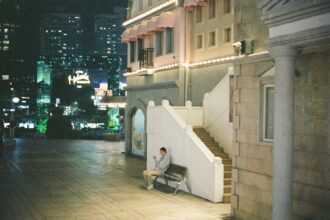
A student reading on a bench, a family crossing a square, a runner moving through a park and two friends stopping to talk are not using the city in the same way. Good public space does not force them to.
Oxford’s public life is shaped as much by these ordinary overlaps as by its famous institutions. The city is not only what people come to see. It is also where people wait, walk, meet, sit and carry on with the day.