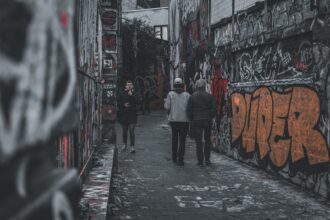





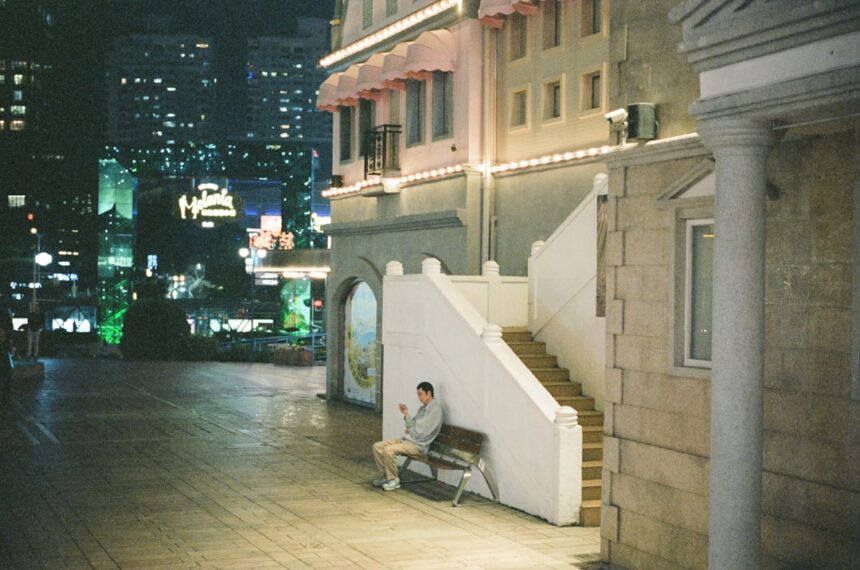
A crowded city can be an oddly lonely place. People share trains, pavements, lifts and apartment blocks every day without necessarily becoming familiar to one another. Density creates proximity. It does not guarantee connection.
Routine Can Make a City Feel Anonymous
Much of urban life is organised around movement: commuting, collecting food, getting to work, getting home. These routines are efficient, but efficiency leaves little reason to linger. The same faces may appear on the same route for months without a conversation ever beginning.
That does not mean commuters are doing anything wrong. Cities simply contain many spaces designed for passing through rather than staying in.
Shared Space Is Not the Same as Social Space
Parks, libraries, squares, cafés and community venues can create a different kind of encounter because people are allowed to remain there without a narrowly defined task. Familiarity can develop slowly: recognising a staff member, seeing the same dog walker, noticing who uses the same bench.
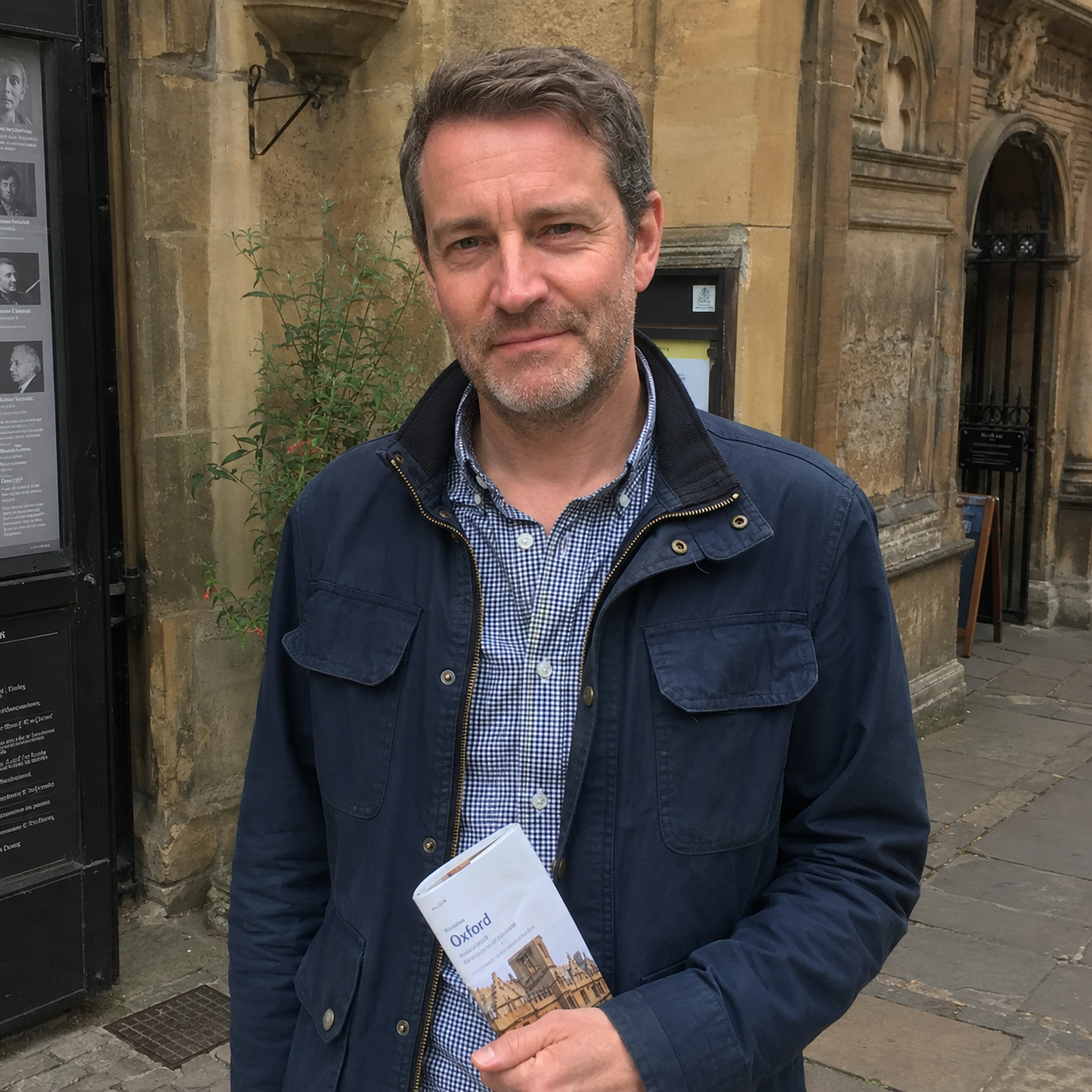
Our piece on Oxford public spaces and everyday city life looks at this relationship between design and ordinary use in more detail.
Design Can Help, but It Cannot Manufacture Community
It is easy to assume that adding a bench, courtyard or communal room will automatically make people interact. It will not. A space also needs to feel usable, affordable and socially comfortable. Timing matters. So do maintenance and access.
Independent shops, libraries, community gardens and local cultural venues can become useful partly because they give repeated encounters somewhere to happen. The important word is repeated. Connection often grows through recognition before it grows through conversation.
Loneliness Is Bigger Than Urban Design
No planning decision can explain every experience of loneliness. Work, money, health, migration, family circumstances and personality all matter too. Treating loneliness as an architectural problem alone would be as simplistic as treating it purely as an individual one.
A better city cannot promise friendship. It can, however, make room for the small, repeated encounters from which familiarity sometimes begins.