



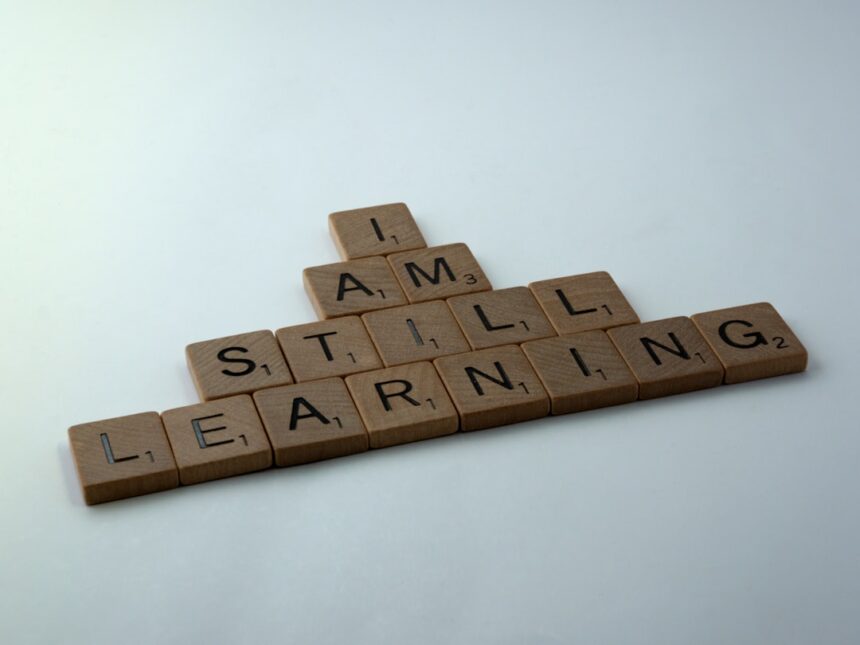
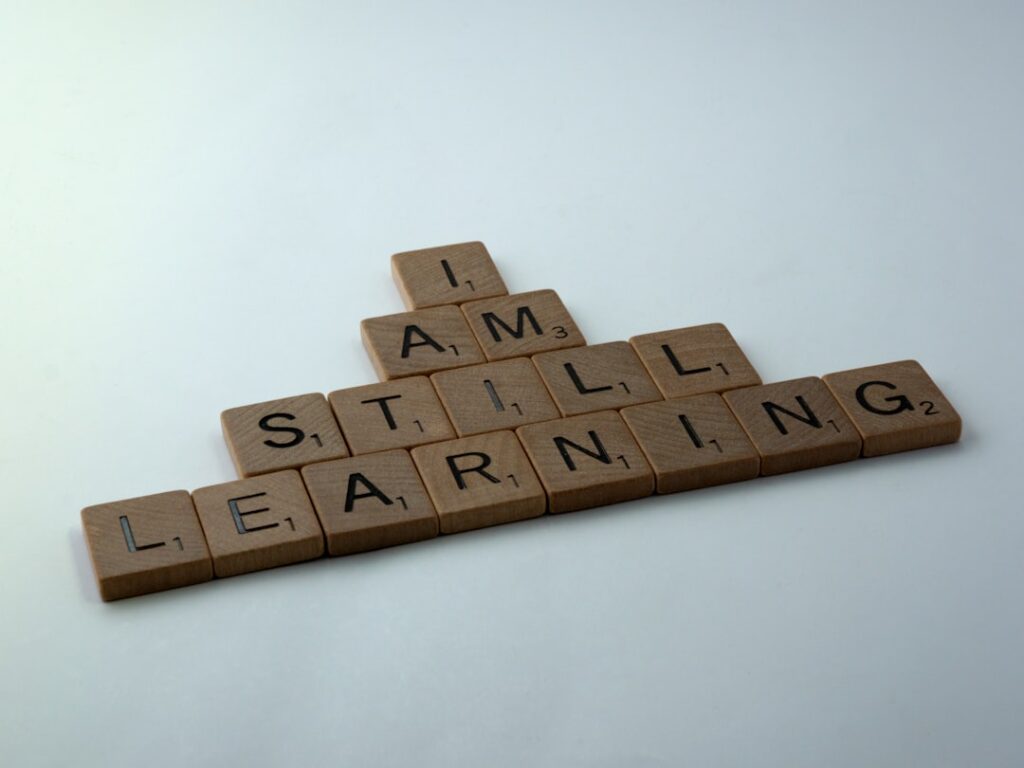
Curiosity is often described as if some people simply have more of it than others. In practice, it can look much more ordinary: following a footnote, asking why a claim sounds convincing, staying with a difficult paragraph for another minute, or admitting that you do not yet understand something.
Questions Create Direction
Learning becomes easier to sustain when there is a question underneath it. That question does not need to be profound. Why did an author choose this example? What evidence would change the argument? Why does one explanation feel clearer than another?
This is one reason curiosity and public philosophy fit together so naturally. Both begin with uncertainty rather than pretending uncertainty is a problem to eliminate.
Attention Matters, but Perfection Does Not
Curious people are not necessarily people who can concentrate for hours. They get distracted too. The difference is often simpler: they return. A book is reopened. A note is checked. A question that seemed unimportant yesterday suddenly connects with something else.
That makes curiosity less like a mood and more like a repeated action. Reading widely helps. So does conversation. So does encountering ideas outside the subject you already know well.
Learning Can Move Sideways
Not every useful line of inquiry moves neatly toward an answer. A history book can lead to architecture. A scientific question can lead to ethics. A lecture can send someone back to a novel they read years earlier. Those sideways movements are part of intellectual life, not distractions from it.
Our earlier piece on creative thinking and modern intellectual life explores a similar idea: connections often appear between subjects before they become part of a clear argument.
Curiosity Needs Room for Not Knowing
There is no need to turn curiosity into another productivity system. Its value is partly that it allows unfinished questions to remain unfinished for a while. Some will lead somewhere. Some will not.
That is fine. The habit is not having an answer ready. It is noticing when something deserves another look.