






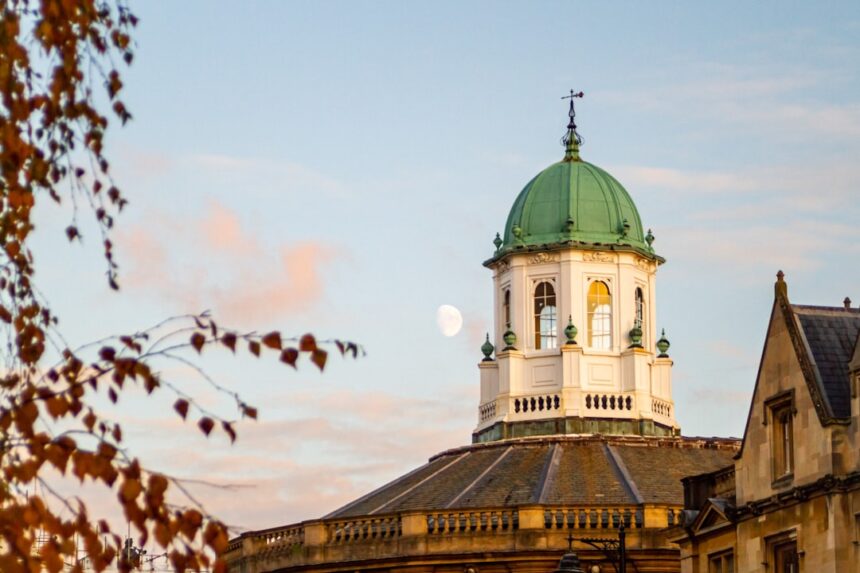
Oxford’s theatre life is easy to underestimate if the city is viewed only through colleges and libraries. Performance happens across very different spaces: established venues, student productions, arts centres, pubs and temporary stages. Together they give the city a cultural rhythm that is less formal than its architecture suggests.
Professional Stages and Local Audiences
Oxford Playhouse remains one of the city’s central theatre institutions, bringing touring productions together with locally connected work. Its importance is not simply architectural or historical. A venue like this gives audiences a regular place to encounter theatre without travelling to London, while also connecting the city to wider national touring circuits.
The Oxford Playhouse programme shows the range that a regional theatre can hold, from drama and comedy to family work and visiting productions.
Student Theatre Changes the Pace
Student theatre works differently. Rehearsal periods can be short, casts and crews change constantly, and ambition sometimes exceeds experience. That is part of the appeal. The result can be uneven, inventive and surprisingly bold.
It also creates an unusual overlap between campus culture and public performance. Productions made inside the university often draw audiences from beyond it, while students gain practical experience that no seminar can reproduce.
Smaller Spaces Matter
Arts at the Old Fire Station and The North Wall broaden the picture further. Smaller venues can support work that does not need the scale of a major stage. They can also make room for emerging artists, workshops, experimental formats and audiences looking for something less conventional.
That variety matters more than any claim that Oxford has one single theatre identity. A commercial touring show, a student production and a small experimental performance are serving different audiences and different purposes.
A Theatre Scene Is Made by Repetition
Cultural scenes are often described through landmark events. In reality they depend on repetition: audiences returning, technicians working another show, students forming another company, small venues taking another risk.
Oxford’s theatre culture is strongest when all of those layers remain visible. The city does not need theatre to compete with its academic identity. It needs performance to remain one of the ordinary ways people gather, watch and talk about what they have just seen.