



Museums teach in a different way from classrooms. Nobody has to begin at page one. Visitors can stop in front of a single object, skip an entire room, ask a question that was never part of a lesson plan, or leave with only one detail fixed in memory. That freedom is part of what makes museum learning distinctive.
Objects Change the Scale of Learning
A fossil, instrument, manuscript or piece of clothing can make an abstract subject suddenly physical. The label matters, but so does size, wear, material and proximity. A visitor can notice something before knowing why it matters.
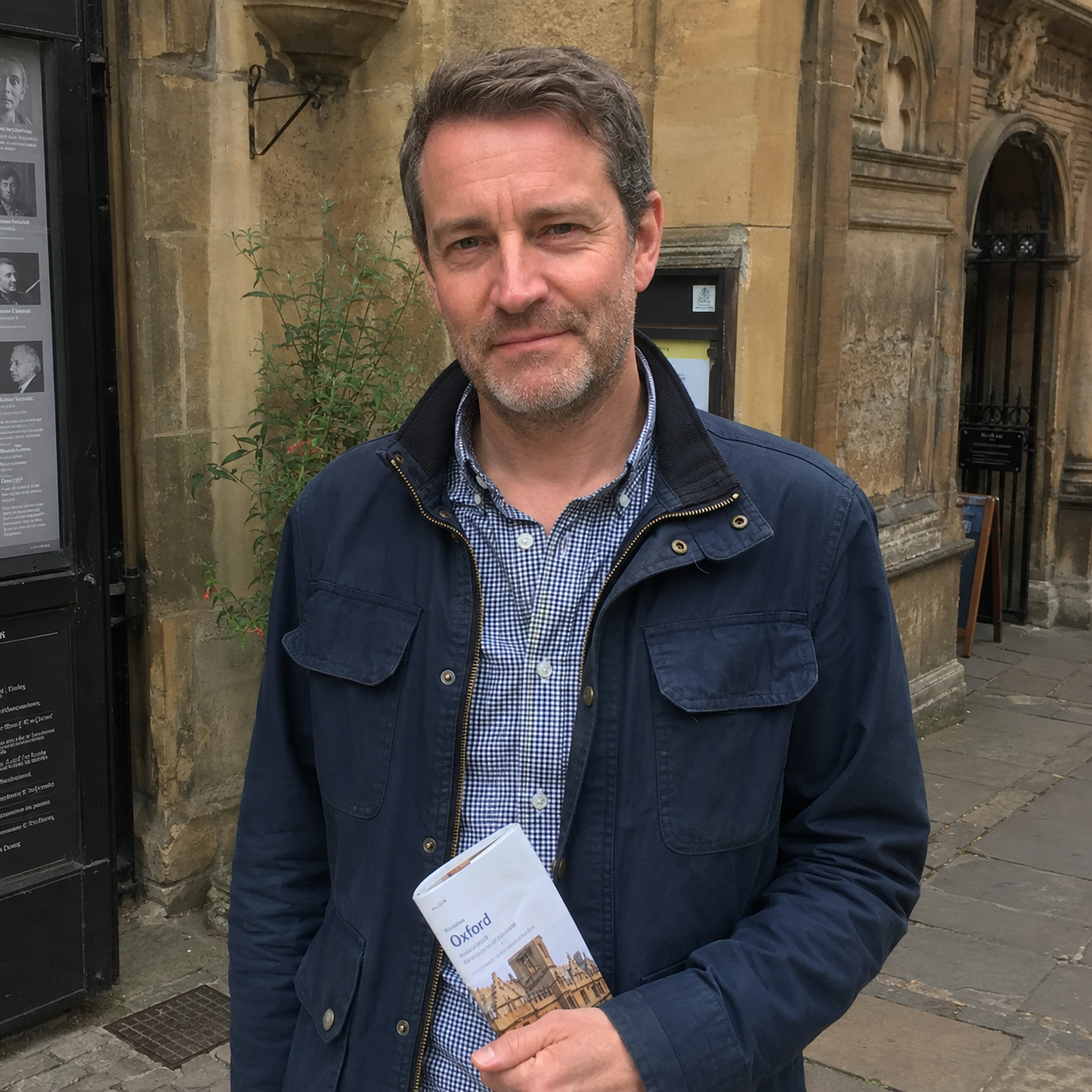
That is especially useful in a city such as Oxford, where museums sit close to universities, schools, tourists and ordinary city life. The same collection may be used by a researcher in one context and encountered by a family on a Saturday afternoon in another.
Learning Does Not Have to Be Linear
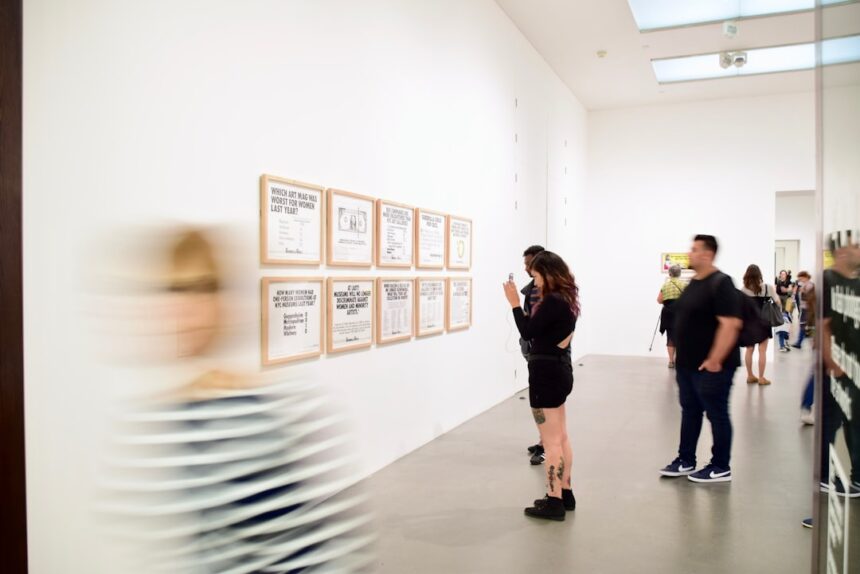
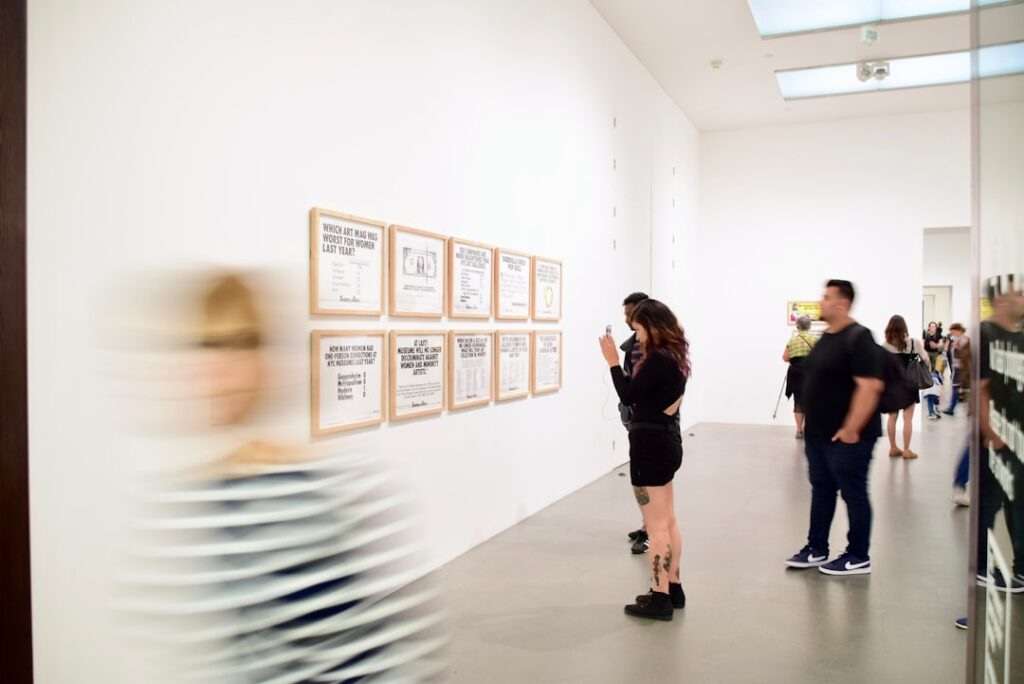
Museum visits rarely follow a perfect sequence. People wander. They double back. Children notice different things from adults. Researchers may care about provenance while another visitor is drawn to craftsmanship or colour. None of those approaches has to cancel the others.
This makes museums useful public learning spaces rather than simply repositories. Oxford’s university museums are part of the wider Gardens, Libraries and Museums network, which connects collections with research, teaching and public engagement.
Curiosity Often Begins With a Detail
A good museum visit does not need to cover everything. One object can be enough. A strange tool, a damaged edge, an unexpected material or an unfamiliar date can lead to a question that continues after the visit.
That may be the simplest value of museum learning: it gives people something concrete to think from. Not a complete answer. A starting point.