




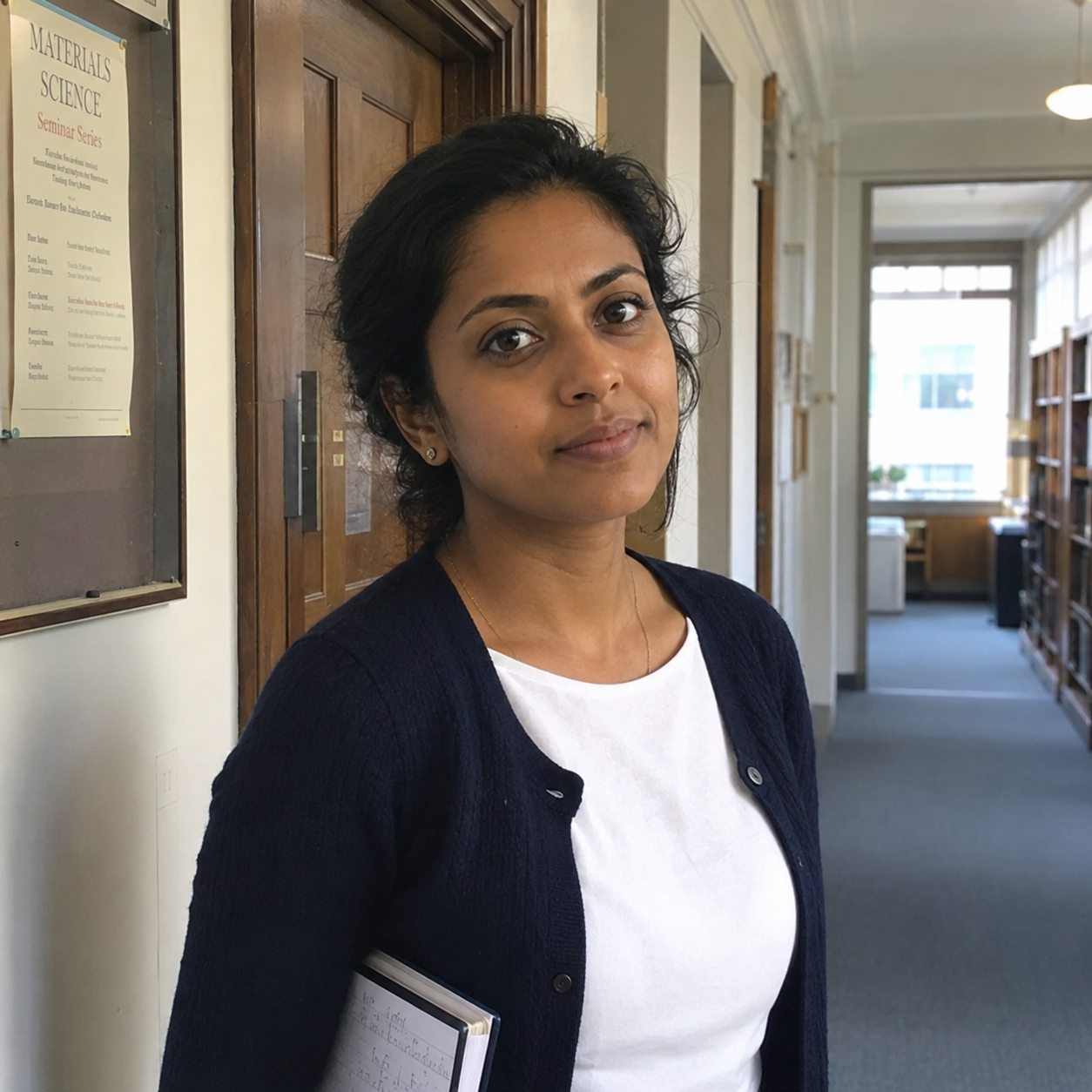
Psychological healing is often framed through a specific lens, assuming that the therapy room is a natural sanctuary of safety. However, for survivors of torture and state-sponsored violence, this clinical setting can sometimes feel less like a haven and more like an extension of the systems that harmed them. Psychotherapist and human rights clinician Azadeh Afsahi argues that the traditional Western framework of mental health care frequently fails those whose trauma is rooted in political or systemic oppression.

The standard therapeutic model relies heavily on concepts of trust, disclosure, and institutional safety. In a Western context, these are seen as the baseline requirements for progress. Yet, for individuals who have experienced persecution by authorities, the very act of sitting in a room with a professional who is taking notes and asking probing questions can mirror an interrogation rather than a healing session. When the state has been the source of violence, the institutions designed to offer help can feel inherently suspicious.
The Disconnect in Language and Safety
Afsahi highlights that our perception of what constitutes “effective” therapy is deeply tied to cultural ideas of language and restoration. Western psychology often emphasizes the verbal processing of trauma—the idea that talking through an experience is the primary path to recovery. For non-Western patients or those from backgrounds where communal support is the norm, this hyper-individualized focus can feel alienating. It may not account for the complex coping skills developed in high-stress environments where silence was a tool for survival.
Furthermore, the Western approach often separates the individual’s psyche from their social and political reality. For a survivor of state violence, the trauma is not just a past event to be “resolved” but a continuous interaction with a world that may still feel hostile. This is a challenge also seen in other areas of systemic failure, such as the legal hurdles faced by those surviving domestic violence, where the environment outside the room remains a significant factor in the individual’s wellbeing.
Reimagining the Path to Recovery
To better serve these survivors, clinicians are encouraged to look beyond the rigid boundaries of traditional practice. This involves acknowledging that “safety” is not a default state but something that must be painstakingly co-created. It requires a shift toward a more culturally humble approach that respects different ways of knowing and being. Sometimes, this means moving away from clinical detachment and toward a framework of radical compassion that recognizes the patient’s political context.
Ultimately, making mental health care accessible for everyone requires us to question the universal validity of Western norms. By reimagining the therapy room not as a closed door, but as a flexible space that honors the survivor’s unique history and cultural background, the field can begin to provide the genuine restoration it promises.