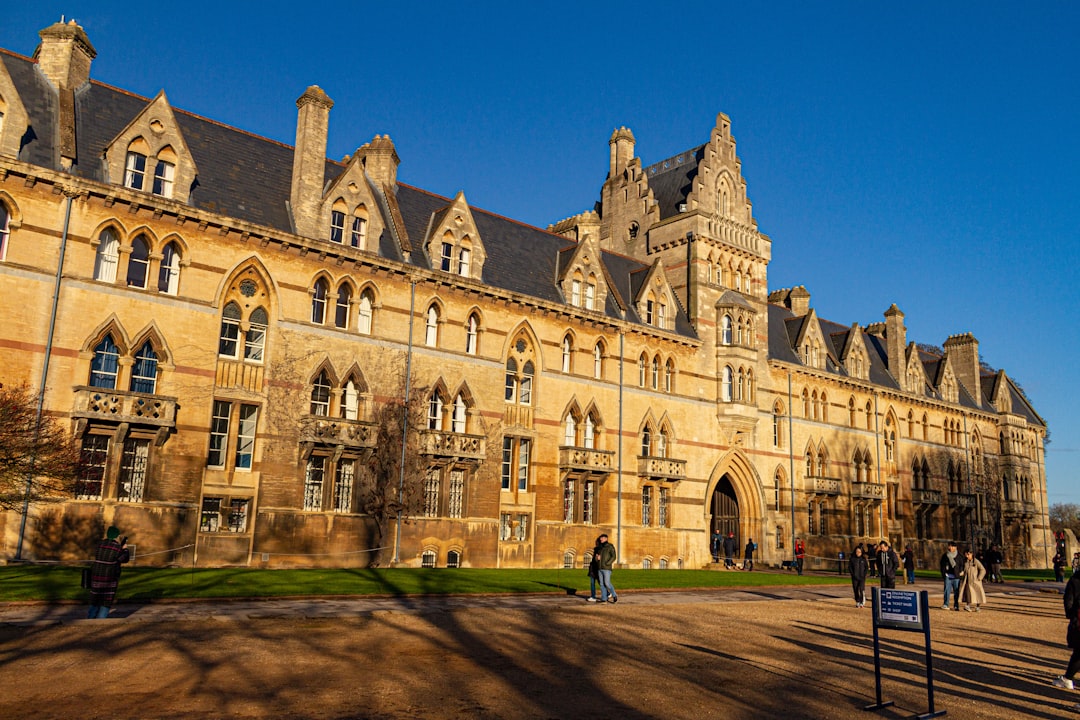



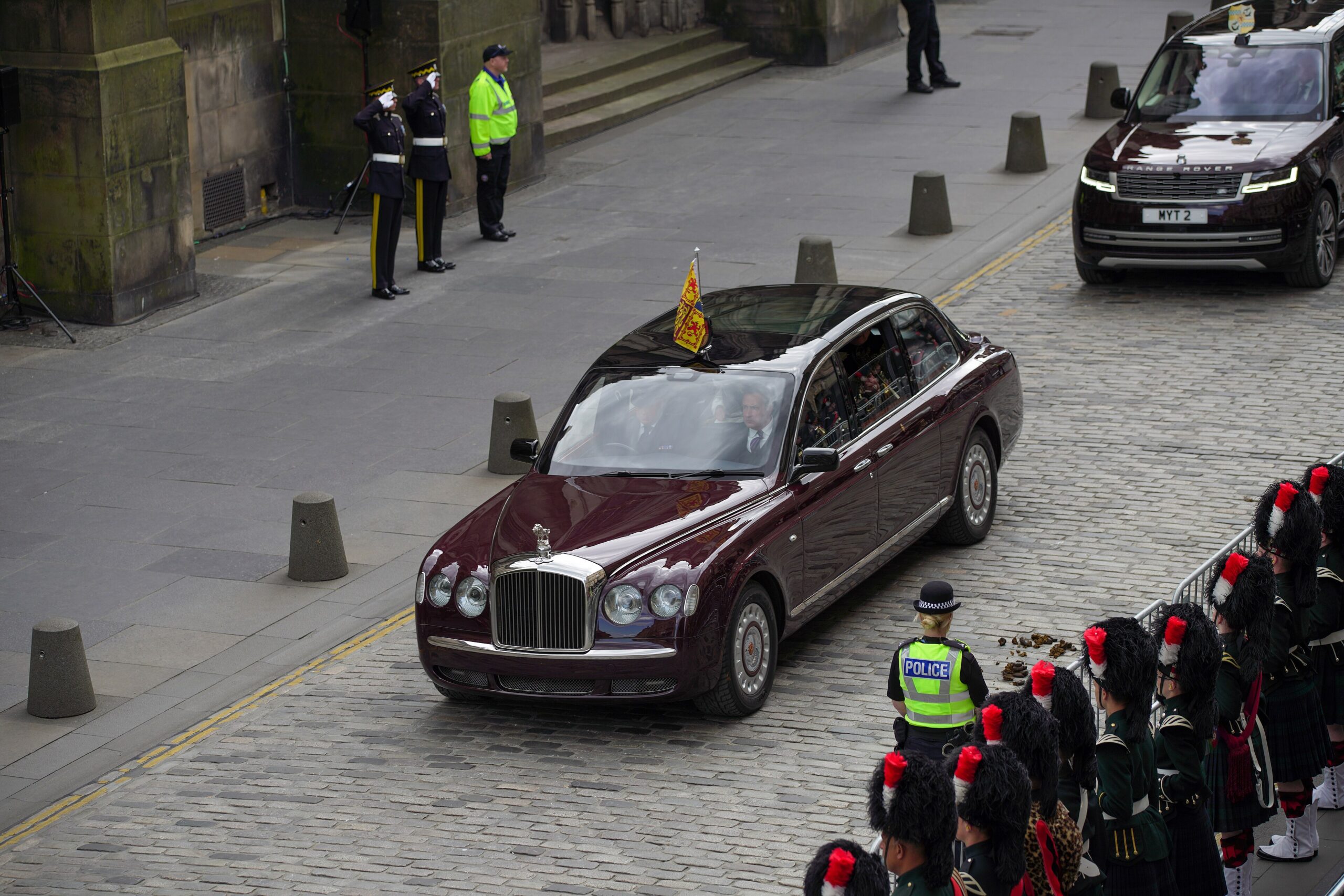
King Charles III officially visited Oxford this week to inaugurate the Schwarzman Centre for the Humanities. The royal visit marked a significant milestone for the University of Oxford, celebrating the completion of a major architectural and intellectual hub designed to foster interdisciplinary research and public engagement.
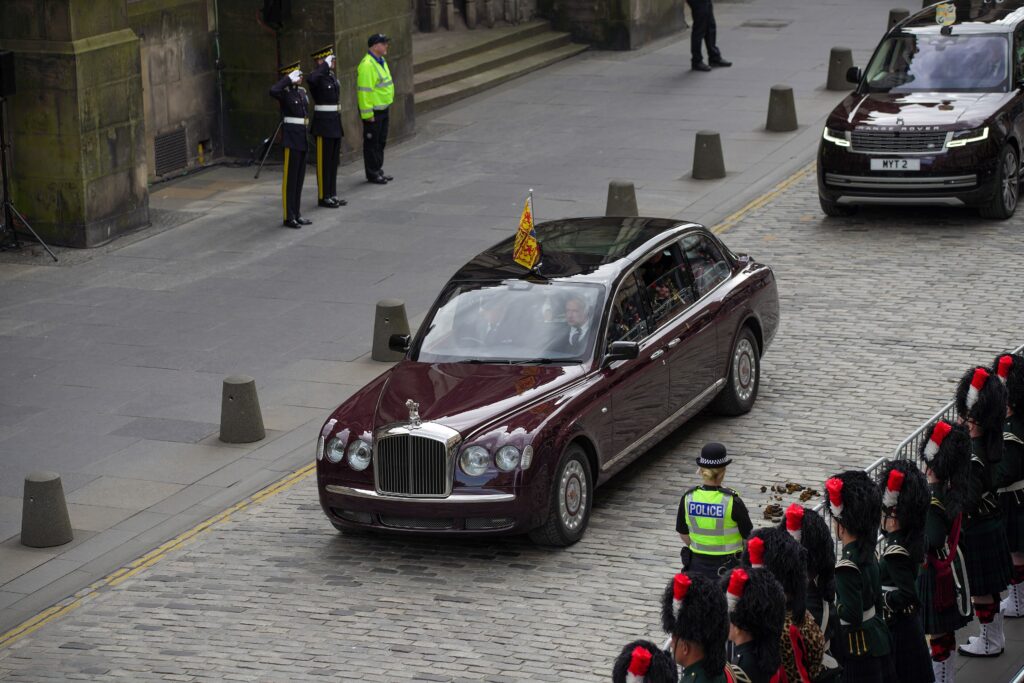
During the ceremony, the King unveiled a commemorative plaque, formalising the opening of the centre. This new facility aims to bring together various humanities departments under one roof, encouraging a collaborative atmosphere that bridges the gap between traditional scholarship and modern digital exploration. It stands as a testament to the university’s ongoing commitment to the arts and literature.
The establishment of the Schwarzman Centre is part of a broader evolution in Oxford college life, reflecting how the institution adapts its physical spaces to meet the needs of contemporary students and academics. By centralising resources, the centre seeks to streamline research processes and provide a more cohesive environment for humanities students, who often navigate the complexities of long-term academic projects alongside their daily routines.
Beyond its function as an academic workspace, the centre is expected to become a vibrant part of the city’s cultural fabric. With spaces for performances, exhibitions, and public lectures, it will serve as a bridge between the university community and the wider public. This is a welcome addition to the city, complementing the quiet, focused atmosphere found in Oxford libraries and the culture of study that defines much of the academic experience here.
As the university continues to balance its historic legacy with modern infrastructural demands, projects like this highlight the effort to provide students with more opportunities to engage with their subjects outside of conventional lecture halls. Integrating these spaces into Oxford student life beyond the classroom is essential for nurturing the next generation of thinkers, writers, and researchers who call this city home.