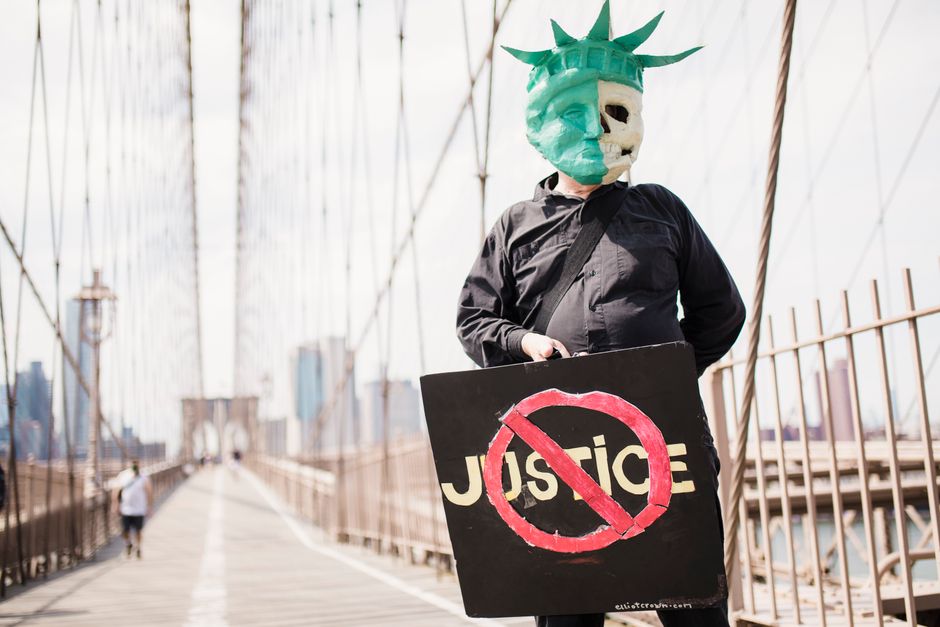






The Silent Intersection of Abuse and Incarceration
The criminal justice system is often designed to assess an act in isolation, frequently failing to account for the psychological and social history that leads to it. For many women currently incarcerated in the United States, their presence in the system is not merely a matter of a single choice, but the culmination of years of surviving domestic violence. New research and reporting are shedding light on how the law often ignores these complex pathways to prison.
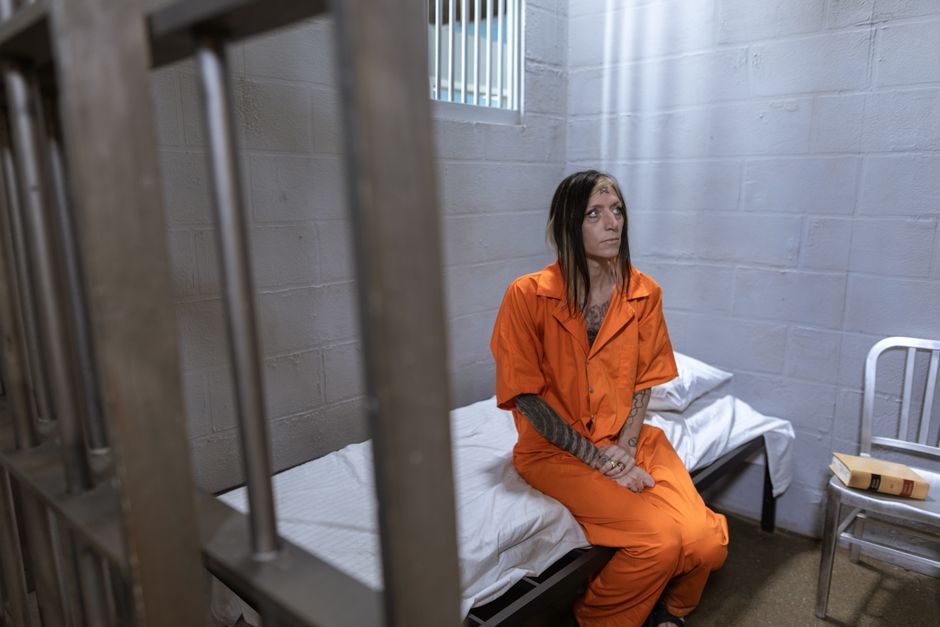
Journalist Justine van der Leun’s recent investigation into the lives of incarcerated women reveals a staggering trend. According to her surveys, nearly one in three women charged with murder or manslaughter report a history of domestic abuse. However, experts suggest the true figure is likely much higher, as many survivors remain silent about their trauma during legal proceedings due to fear, shame, or a lack of legal support.
A Failure of Legal Recognition
Van der Leun’s work, particularly in her book Unreasonable Women, highlights how childhood trauma and poverty intersect with adult abuse. From a psychological perspective, these early experiences can significantly impact teenage coping skills and long-term behavioral patterns. When a person is raised in an environment of instability, their responses to future threats are often shaped by a heightened state of survival.
The legal system, however, often utilizes a narrow definition of self-defense that does not account for the reality of “intimate partner terrorism.” In many cases, the law expects a survivor to react only in the precise moment of a life-threatening attack. This fails to recognize the psychological weight of living under a constant, ongoing threat, where the “choice” to use force is often a desperate attempt to end a cycle of violence that the state has failed to stop.
Toward a More Nuanced Justice
The stories of these women challenge our traditional narratives about victimhood and criminality. While modern discourse often emphasizes the importance of healthy relationship dynamics and respectful break-ups, the reality for those in abusive cycles is far more dangerous. When the system fails to provide adequate protection or exit ramps for survivors, it effectively criminalizes their survival.
Addressing this issue requires more than just legal reform; it requires a shift in how society views accountability and healing. Moving toward a more just system would mean acknowledging the systemic failures—such as poverty and lack of mental health resources—that lead survivors into the carceral system. It calls for a framework built on radical compassion, where the context of a person’s life is considered as deeply as the charges against them.
By tracing the lives of these survivors, we begin to see that their incarceration is often a reflection of a broader societal failure. To create a truly equitable justice system, we must recognize that for many, the path to prison began long before a crime was ever committed.