






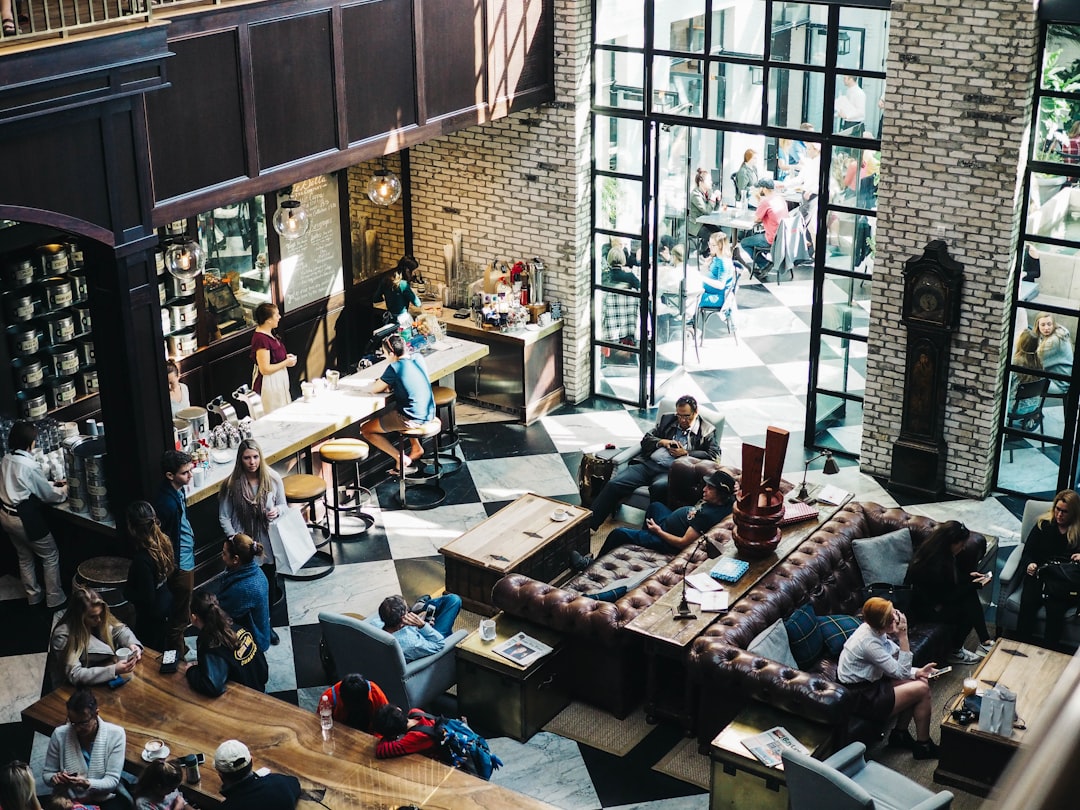
Oxford Bookshops serve as the silent guardians of a tradition that prioritizes curiosity over convenience, providing spaces where the act of browsing is treated as a form of intellectual meditation. In an era dominated by algorithmic recommendations and rapid digital transactions, the physical bookstores of Oxford offer a necessary counterpoint. They are not merely commercial outlets; they are cultural institutions where the city’s academic heritage meets the lived experience of its residents and visitors. To walk into a bookstore in this city is to participate in a ritual that has remained largely unchanged for centuries, even as the titles on the shelves evolve to reflect modern thought.
The Architecture of Serendipity

The primary appeal of the local literary scene lies in the architecture of the shops themselves. Unlike the uniform layouts of modern retail chains, these spaces are often characterized by narrow aisles, creaky floorboards, and shelves that reach toward high, ornate ceilings. This physical environment dictates a specific pace of movement. One does not rush through a shop on Broad Street or Turl Street; instead, the layout encourages a slow, meandering path that favors serendipity over efficiency.
Browsing in these settings is an exercise in discovery. It is the practice of looking for one specific volume and finding another, perhaps more relevant one, shelved right beside it. This “serendipity of the shelf” is something that digital platforms struggle to replicate. The tactile nature of the experience—the weight of a hardback, the texture of the paper, and the visual rhythm of spine designs—engages the senses in a way that scrolling through a screen cannot. The nuances of Oxford reading culture are best observed through these quiet interactions between the reader and the physical object.
Independent Spaces and Curated Collections
While the larger, historic establishments draw significant attention, the smaller, independent bookstores provide the city with its unique character. These independent literary spaces often focus on specialized niches, from rare antiquarian finds to contemporary poetry and radical political thought. The curators of these collections act as cultural intermediaries, selecting titles that challenge the status quo rather than simply stocking the latest bestsellers.
These smaller shops function as community hubs. They are places where posters for local lectures are pinned to the door and where the booksellers possess a deep, encyclopedic knowledge of their stock. In these environments, the act of browsing is often punctuated by conversation. A bookseller might point out a newly arrived essay collection or a forgotten classic, bridging the gap between the author and the audience. This human element is essential to maintaining the vitality of the city’s intellectual life, ensuring that books remain a central part of the public conversation.
The Psychology of the Browser
What drives a person to spend an afternoon lost in the stacks? Psychologically, browsing is a form of cognitive play. It allows the mind to wander across disciplines, moving from history to philosophy to fiction without a predetermined goal. This lack of structure is precisely what makes the experience so rewarding. In a professional or academic context, reading is often purposeful and targeted. In the context of a bookstore, however, reading becomes exploratory.
The presence of these spaces encourages a broader engagement with ideas. Much of this is rooted in the city’s vast literary history, which has always valued the intersection of different fields of study. When a reader stands in a bookstore, they are physically surrounded by the collective knowledge of generations. This creates a sense of continuity and belonging, reminding the individual that they are part of a much larger intellectual narrative.
Adapting to a Modern Intellectual Life
Despite their traditional atmosphere, these bookstores are not relics of the past. They have successfully integrated modern literary trends into their collections, ensuring that they remain relevant to a contemporary audience. Today’s readers are increasingly interested in works that address the complexities of modern identity, environmental ethics, and the psychological impact of technology.
The selection of stock reflects these shifting interests. While the classics remain staples, there is a visible move toward diverse voices and experimental forms of writing. This balance between the old and the new is what keeps the culture of browsing alive. Readers looking for recommendations that span both traditional and contemporary genres can consult The Best Books of 2026 So Far to see how these literary trends are manifesting in current publishing.
The Enduring Value of Physical Libraries and Shops
The endurance of physical bookshops in a digital world suggests that humans have an innate need for physical spaces dedicated to thought and reflection. These shops provide a sanctuary from the noise of the digital age. They are “third places”—spaces that are neither home nor work, where people can exist in a shared environment of quiet contemplation.
- Tactile Engagement: The physical handling of books improves focus and retention.
- Curated Discovery: Professional booksellers offer a depth of knowledge that algorithms cannot match.
- Cultural Connection: Bookshops serve as landmarks of a city’s intellectual identity.
- Quietude: These spaces offer a rare opportunity for silence in an increasingly loud world.
Ultimately, the culture of browsing is about more than just buying books; it is about the preservation of a certain way of living. It is a commitment to slowness, to curiosity, and to the belief that some of the most important things in life are found when we are not looking for anything in particular. Oxford’s bookstores remain the heart of this philosophy, inviting everyone to step inside, slow down, and lose themselves among the shelves.