





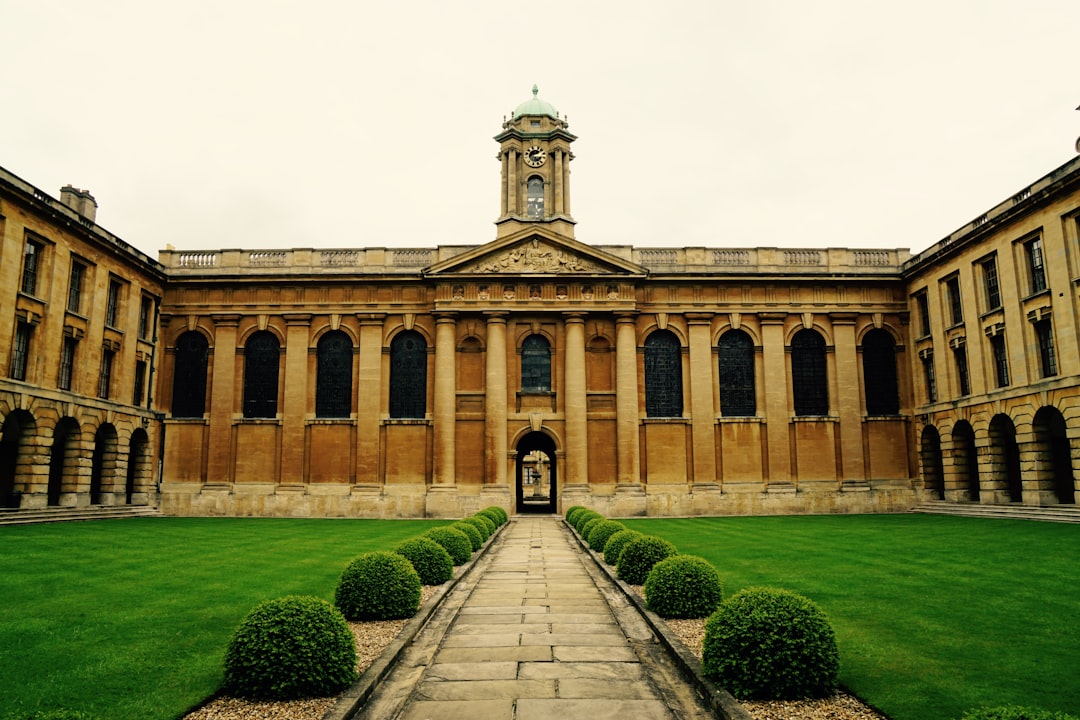
Oxford Literary History is not merely a collection of dates, titles, and biographical sketches; it is a living dialogue between the physical landscape of the city and the minds that have shaped it over centuries. To walk through the streets of Oxford is to move through a palimpsest of ideas, where the ghosts of poets, novelists, and philosophers still exert a quiet, persistent influence on the modern reader. The city serves as a distinct character in the works of those who studied or taught within its colleges, translating the experience of the spires, the riverbanks, and the secluded gardens into a unique form of cultural identity.
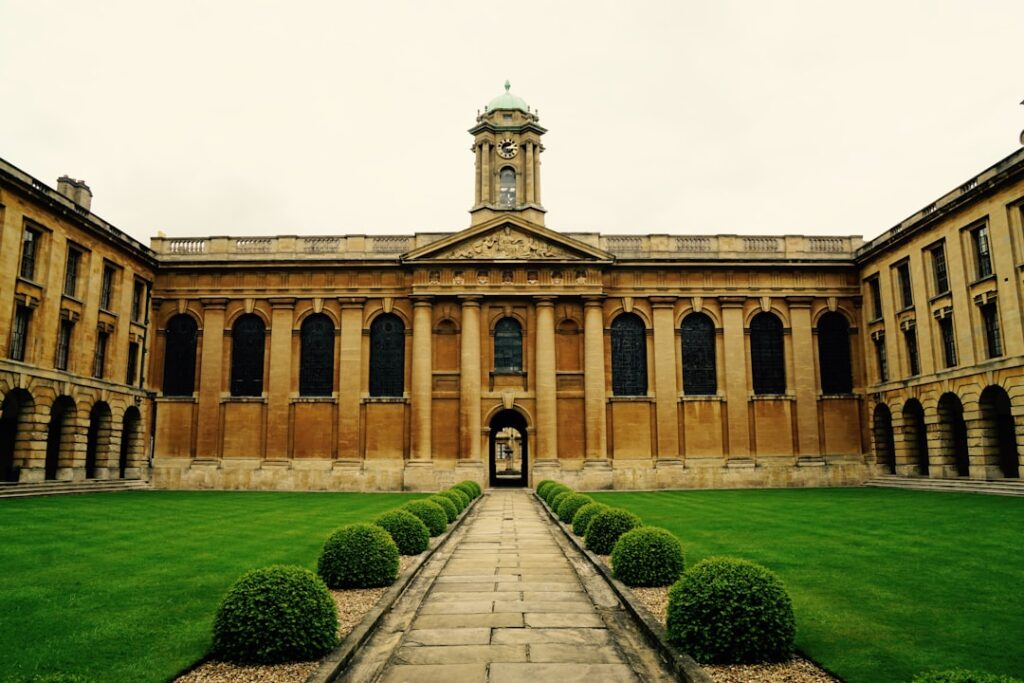
For centuries, the university has acted as a crucible for literary innovation. From the medieval scholastic tradition to the modern experimental novel, the development of intellectual life here has always been grounded in the tangible reality of the environment. The architecture itself—the heavy stone walls, the vast, silent libraries, and the echoing quadrangles—creates an atmosphere conducive to deep introspection. It is within these spaces that writers have wrestled with themes of time, tradition, and the transient nature of human experience, leaving behind a legacy that continues to define our understanding of English literature.
The relationship between the city’s spaces and the literary imagination is perhaps best seen in the way local sites have been repurposed into fictional landscapes. The Cherwell river, for instance, has long served as a site of reflection, finding its way into descriptions of pastoral beauty and melancholic isolation alike. When we explore the Oxford reading culture that persists in the city’s cafés and hidden corners, we see that the habit of engaging with texts is not a solitary academic pursuit but a communal reflection of the city’s identity. The books written here often reflect the tension between the sanctuary of the study and the broader, more chaotic world outside.
The history of literature in Oxford is also deeply tied to the evolution of the book as a physical object. The Bodleian Library remains a central anchor for the city, representing a commitment to the preservation of human thought that has been a defining feature of the local ethos. It is in the sensory experience of reading—the smell of aged paper, the sound of a page turning in a quiet room, the weight of a heavy volume—that the literary history of the city becomes most vivid. This tactile connection to history is what separates the experience of reading in Oxford from more sterile digital environments.
Furthermore, the intellectual life of the city is not restricted to the elite circles of the university. The public spaces of Oxford, from its historic taverns to the parks that fringe the colleges, have provided a stage for a more democratic form of literary exchange. Generations of writers have found inspiration in the everyday life of the city, observing the interactions between town and gown, and the nuances of social class that have historically defined Oxford. This social observation has been critical in grounding lofty intellectual discourse in the realities of human behavior.
When considering the evolution of the city’s literary output, it is essential to recognize the role of local memory. Places like the Eagle and Child, or the quiet graveyard at St. Sepulchre’s, are not just tourist landmarks; they are markers of a shared history. They act as touchstones for readers who wish to bridge the gap between their own lives and the writers of the past. Memory in this context is active; it is sustained by the act of revisiting these sites and re-reading the texts that have immortalized them. This cycle of memory maintains the city’s status as a living, breathing library.
The modern intellectual life of Oxford continues to draw upon this rich heritage while navigating the complexities of the twenty-first century. As the city changes, adapting to new technologies and global influences, the core of its literary identity remains remarkably resilient. This resilience is supported by a community that values the slow, considered engagement with ideas. Whether it is through local book clubs, public lectures, or the quiet habit of reading in a botanical garden, the people of Oxford continue to contribute to the city’s ongoing narrative.
Cultural identity in Oxford is thus inextricably linked to the stories we tell about ourselves and our surroundings. Literature provides the vocabulary for this process. By examining the works of those who have lived and worked here, we gain a clearer understanding of the challenges of modernity, such as the struggle to find quiet in an increasingly noisy world, or the desire to maintain a connection to heritage in a globalized society. The city offers a template for this balance, teaching us that memory and progress are not mutually exclusive, but rather complementary aspects of a healthy cultural life.
As we look forward, the significance of the city as a center for literary thought will surely remain, provided we continue to prioritize the public and private spaces that foster such inquiry. The importance of the library, the park, and the independent bookstore cannot be overstated. These are the institutions that preserve not just the books themselves, but the culture of deep, sustained attention that literature requires. They are the scaffolding upon which our intellectual history is built, ensuring that the legacy of those who came before us remains accessible to future generations of thinkers, writers, and readers.
Ultimately, to engage with the literary history of Oxford is to acknowledge that we are all part of a larger, ongoing conversation. The city is a repository of human aspiration, and its literature is the record of that struggle. By participating in this conversation, we honor the past while contributing to the intellectual vibrancy of the present. The streets, the buildings, and the people of Oxford all play a role in this process, ensuring that the city continues to serve as an inspiration for the life of the mind, now and in the years to come.