






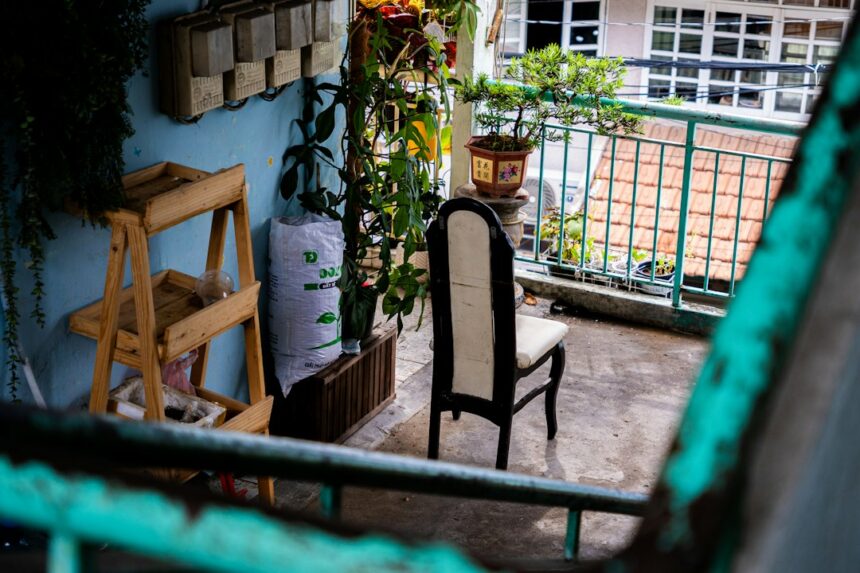
Urban Gardens appear unexpectedly between limestone walls, asphalt lanes, and the hard edges of modern city blocks, offering a sharp visual contrast to the surrounding masonry. Walk down a crowded street of brick facades, and a pocket park or small courtyard garden will often interrupt the monotony with textured leaves, unexpected vertical climbers, and shifting shadows. These compact plots of earth do not simply soften the built environment; they alter how we move through dense urban territory. As cities grow tighter and property values climb, every square metre of preserved green space becomes a deliberate choice against total paving. Urban planning increasingly relies on these micro-landscapes to break up long stretches of concrete and provide visual relief for pedestrians who spend their days surrounded by glass, steel, and mortar.
The Mechanics of Small-Scale Garden Design
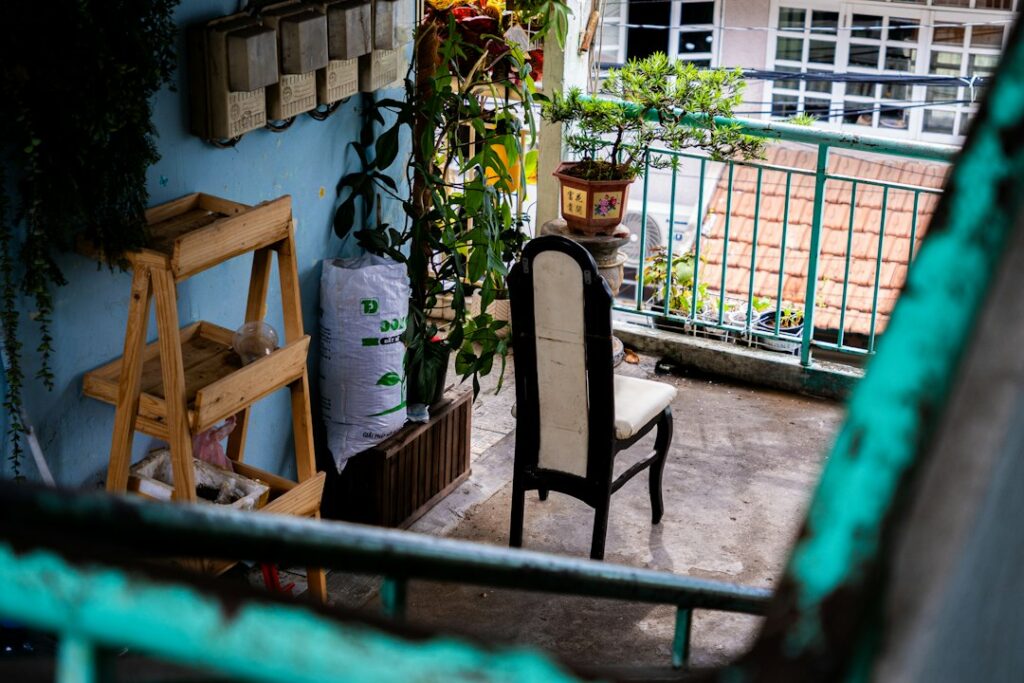
Designing a micro-landscape within a constrained footprint requires deliberate choices regarding structure, materials, and botanical selection. Without acres of sprawling lawn or deep borders, every physical element must serve a dual purpose. Landscape architects working in compact environments often turn to the resources provided by the Royal Horticultural Society to study planting combinations that thrive in dry shade, polluted air, and restricted root runs. Hard landscaping elements such as reclaimed stone pathways, raised timber planters, and narrow slate boundaries establish the architectural bones of the site before a single seed is planted. When space is limited, verticality takes precedence over horizontal spread. Trellises, climbing hydrangeas, and trained fruit trees draw the eye upward, making a narrow courtyard feel expansive rather than enclosed.
Proximity is another critical factor in effective design. When a pocket garden sits directly adjacent to a busy thoroughfare, the transition from motion to stillness must be handled carefully. A low retaining wall or a staggered hedge can block the direct glare of headlights and muffle the persistent hum of traffic without completely severing the garden from the street life outside. Benches are positioned not merely for ornamental value, but according to how sunlight cuts across the courtyard at different hours of the day. A stone bench placed beneath a structural canopy invites a moment of pause, while narrow gravel paths encourage slow, deliberate walking rather than hurried transit through the block.
Everyday Use and Practical Rhythms
The utility of a small green space lies in how ordinary people incorporate it into their weekly routines. Unlike expansive municipal parks designated for weekend sports or large-scale gatherings, compact urban plots function as interstitial zones for daily life. They fit neatly into the margins of working hours and errand runs, providing a physical anchor for people navigating dense neighborhoods.
People utilize these localized plots in distinct, recognizable ways:
- Sitting down with a warm beverage during a midday break to read a book or review correspondence.
- Stepping off the pavement to inspect seasonal plant growth, emerging bulbs, or pruned branches.
- Finding a quiet corner to make a brief telephone call away from the noise of a crowded office or transit hub.
- Pausing briefly along a familiar commute to watch changing light patterns fall across stone walls and foliage.
These actions are rarely scheduled or formalized; they happen spontaneously because the space is there, open, and maintained. For residents of flats and terraced houses who lack private backyards, a shared pocket garden serves as an extension of the domestic living room. It offers a tangible connection to soil and weather that indoor environments simply cannot replicate, grounding daily routines in the physical reality of the changing seasons.
Social Mixing in Shared Enclaves
Shared green spaces function as subtle catalysts for local interaction because they reduce the social friction often found in larger, more anonymous public squares. In a massive plaza, individuals tend to keep their distance and move with purpose. In a small garden, the intimacy of the physical boundaries encourages a different kind of co-existence. Benches positioned close together, narrow entry gates, and shared observation points make complete isolation difficult without feeling intrusive or forced.
This dynamic supports a mild form of community cohesion that does not rely on organized clubs or civic committees. Regular visitors begin to recognize familiar faces among the neighborhood dog walkers, office workers eating lunch, and retirees tending to nearby planters. Conversations spark naturally over simple observations, such as the unexpected blooming of a late-season rose or the installation of a new wooden trellis. This casual proximity mirrors the cultural rhythms explored in discussions about how Oxford public spaces shape everyday life, where the physical layout of shared grounds quietly dictates the pace and tone of local encounters. People do not necessarily move to these spaces to socialize intensely; rather, they share a quiet acknowledgment of the space that softens the anonymous edge of city life.
Seasonal Transitions and Urban Weather
Cities tend to mask the passage of time behind climate-controlled interiors and permanent artificial lighting, but small green spaces reintroduce the distinct markers of seasonal change directly into the urban core. As autumn arrives, a compact courtyard reveals the shifting colors of deciduous leaves against dark brick walls, catching the low angle of October sunlight in a way that glass-fronted offices never can. Winter strips the garden down to its structural essentials—bare branches, frost-covered stone benches, and evergreen box hedges that maintain their form through freezing temperatures.
When spring returns, the space accelerates back to life with sudden bursts of green shoots pushing through damp mulch, followed by the appearance of early pollinators visiting the emerging blossoms. This cyclical visibility matters because it reminds city dwellers of biological rhythms that exist entirely outside human schedules. A sudden summer downpour transforms the garden momentarily, darkening the slate pathways and filling the air with the sharp, clean scent of wet soil and foliage. As the afternoon shade lengthens across the grass and stone, the urban garden settles into the long, cool shadows of the approaching evening.