






Oxford’s visual culture is easy to overlook beside its libraries, colleges and museums. Yet galleries and exhibition spaces give the city another way of thinking in public: through images, objects and temporary displays rather than lectures or books.
Not Every Gallery Visit Needs Expertise
One of the useful things about a gallery is that the encounter can begin before the visitor knows very much. A title, material, colour or awkward detail may be enough to hold attention. Context can come later.
Oxford’s larger institutions sit alongside smaller exhibition programmes and temporary shows, creating different scales of encounter. The Modern Art Oxford programme is one obvious part of that landscape, while university museums and college spaces add other kinds of exhibitions.
Temporary Shows Change the City’s Cultural Rhythm
A permanent collection becomes familiar. A temporary exhibition changes what is available to talk about. It can introduce an artist, a medium or an argument that was absent a few months earlier. That turnover matters in a relatively small city.
It also means Oxford’s art life is not defined only by historic collections. Contemporary work can sit close to medieval buildings without needing to imitate them or turn every exhibition into a conversation about heritage.
Looking Is a Public Activity Too
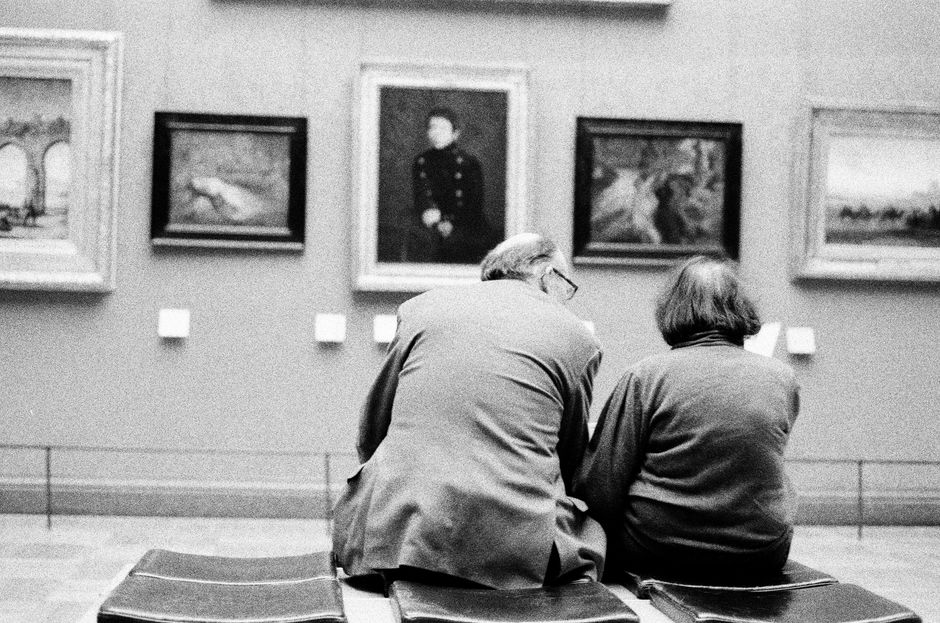
Gallery visits are often quiet, but they are not entirely private. Other visitors affect pace. Labels frame interpretation. Curators decide what appears beside what. Conversation continues afterwards.
That makes galleries part of Oxford’s broader cultural infrastructure. They do not need to be described as sanctuaries or intellectual temples. Sometimes their value is simply that they give people something unfamiliar to look at together.