


Creative Cities represent the physical and cultural convergence points where intellectual exchange thrives and new ideas take root. Across historic urban centers and modern metropolitan hubs alike, the vitality of a city is measured not merely by its economic output or architectural scale, but by the richness of its everyday environments. From quiet reading corners to bustling public plazas, urban life provides the necessary backdrop for thinkers, artists, scholars, and creators to cross paths. Understanding how these urban ecosystems function requires looking closely at the specific infrastructures that sustain creative communities, including cafés, galleries, libraries, cultural events, and open public spaces.
The Architecture of Urban Intellectual Life
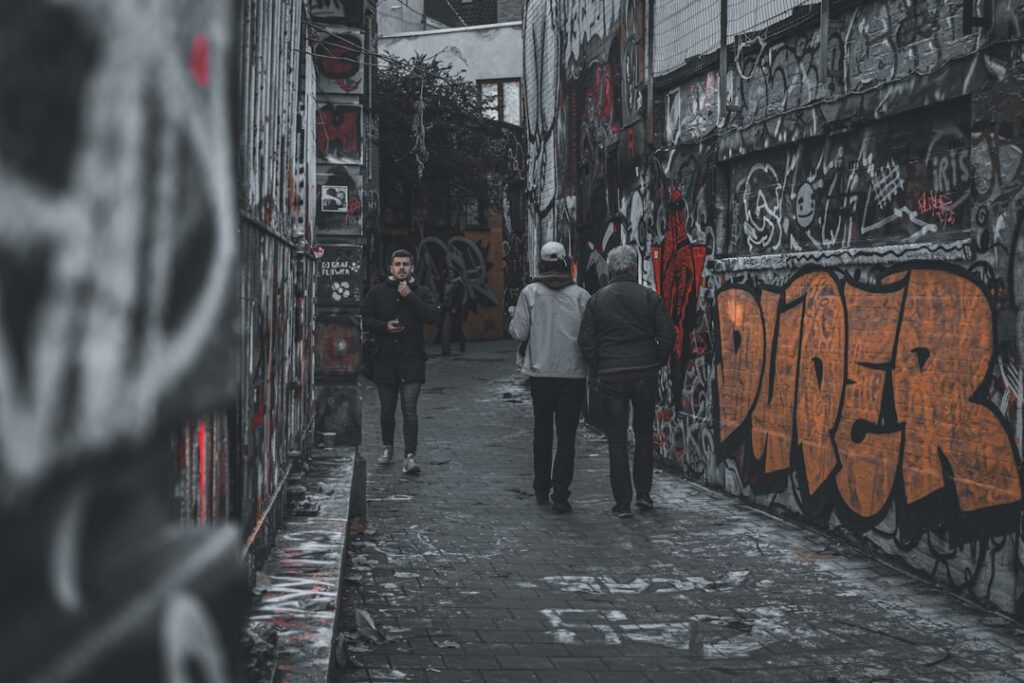
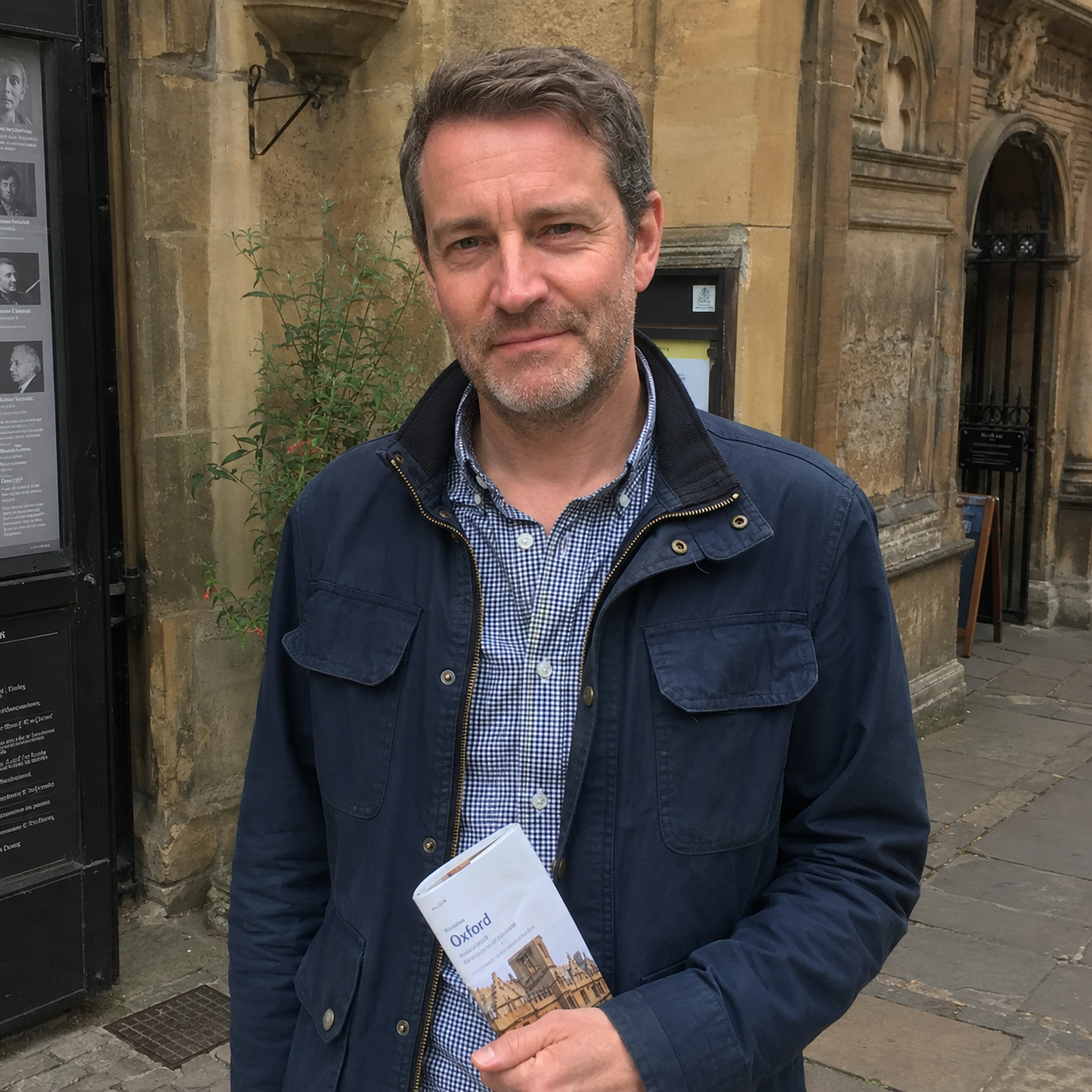
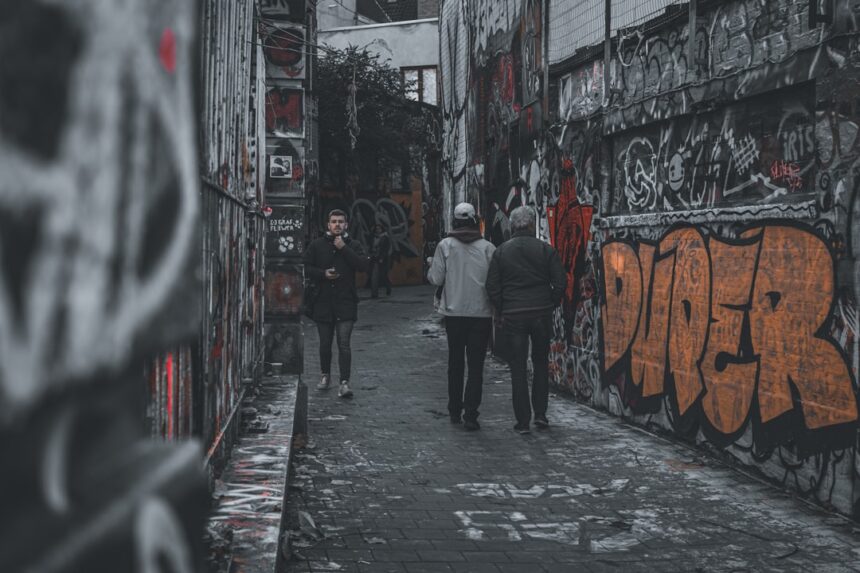
The physical layout of a city shapes the trajectory of its cultural movements. Urban environments that prioritize pedestrian movement and accessible shared spaces naturally invite dialogue. When people encounter one another outside formal institutions, serendipitous intellectual collaborations emerge. In places like Oxford, the blending of historic streetscapes and modern civic areas demonstrates how urban design influences thought. A well-designed city acts as an extended campus where learning does not end at the lecture hall door, but spills out into the open air and the surrounding neighborhoods.
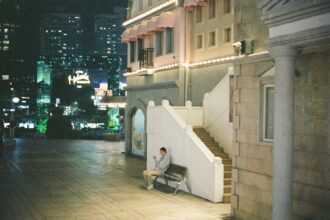
Public squares and pedestrian paths serve as the vital arteries of intellectual circulation. When citizens move through walking routes designed for contemplation rather than hurried transit, they engage more deeply with their surroundings. This daily engagement fosters a heightened sense of awareness, turning the ordinary commute into an act of creative observation. Urban planners increasingly recognize that public spaces must offer more than aesthetic value; they must function as welcoming stages for civic life and spontaneous debate.
Cafés and the Social Life of Reading
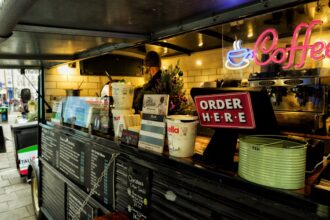
Long before digital communication linked distant collaborators, independent neighborhood coffee shops and historic tearooms functioned as informal salons. These intimate environments offer a unique balance of solitude and community, making them ideal settings for writers, researchers, and readers. Sitting amidst the low hum of conversation, an individual can find the focus needed for deep work while remaining connected to the pulse of the city. The connection between local coffee culture and intellectual production is well documented in literary history, where drafting manuscripts over endless cups of coffee remains a time-honored tradition.
Today, independent establishments continue to nurture intellectual inquiry by providing quiet refuges away from institutional pressures. Visitors often seek out specialized cafes for reading to escape distractions and immerse themselves in texts. These spaces create an unspoken social contract centered on quiet contemplation, where patrons respect one another’s need for concentration while sharing a collective atmosphere of intellectual purpose.
Libraries, Galleries, and Institutional Anchors
While informal spaces spark spontaneous ideas, formal cultural institutions anchor a city’s intellectual memory. Libraries and museums function as the permanent repositories of human knowledge and artistic achievement. They offer free, equitable access to resources that democratize learning and inspire new generations of creators. In a creative city, libraries are not silent warehouses of forgotten books; they are dynamic community hubs hosting lectures, workshops, and exhibitions that bridge the gap between academic research and the general public.
Art galleries complement this ecosystem by challenging visual perceptions and provoking critical dialogue. By displaying contemporary and historical works, galleries invite viewers to question their assumptions and explore alternative perspectives. The interplay between written scholarship found in libraries and visual culture encountered in galleries forms a comprehensive educational network available to every urban resident.
Events, Festivals, and Public Gatherings
Temporality plays a crucial role in the life of ideas. Periodic events, literary festivals, public lectures, and street performances punctuate the steady rhythm of city life, injecting bursts of creative energy into the urban fabric. These gatherings break down social barriers, bringing diverse groups together around shared cultural interests. Whether attending a poetry reading in a courtyard or a science symposium in a public hall, residents experience the city as a living laboratory of thought.
- Festivals encourage cross-disciplinary collaboration between artists, scientists, and writers.
- Public lectures make complex academic research accessible to the broader community.
- Temporary art installations transform familiar streets into unexpected sites of wonder.
- Community workshops empower residents to actively participate in cultural production rather than remaining passive consumers.
The Future of Shared Urban Spaces
As cities continue to evolve under the pressures of modernization and commercialization, preserving accessible public spaces becomes increasingly urgent. Creative cities require deliberate protection of the physical and cultural niches where independent thought can flourish. When urban policies prioritize community centers, green areas, and affordable cultural venues over pure commercial development, they safeguard the intellectual vitality of future generations. Ultimately, the health of a creative city depends on its commitment to nurturing curiosity, fostering dialogue, and maintaining open spaces for all.
References:
- Florida, Richard. The Rise of the Creative Class—And How It’s Transforming Work, Leisure, Community, and Everyday Life. Basic Books, 2002.
- Zukin, Sharon. Naked City: The Death and Life of Authentic Urban Places. Oxford University Press, 2010.
- Oldenburg, Ray. The Great Good Place: Cafes, Coffee Shops, Community Centers, Beauty Parlors, General Stores, Bars, How They Get You Through the Day. Paragon House, 1989.