





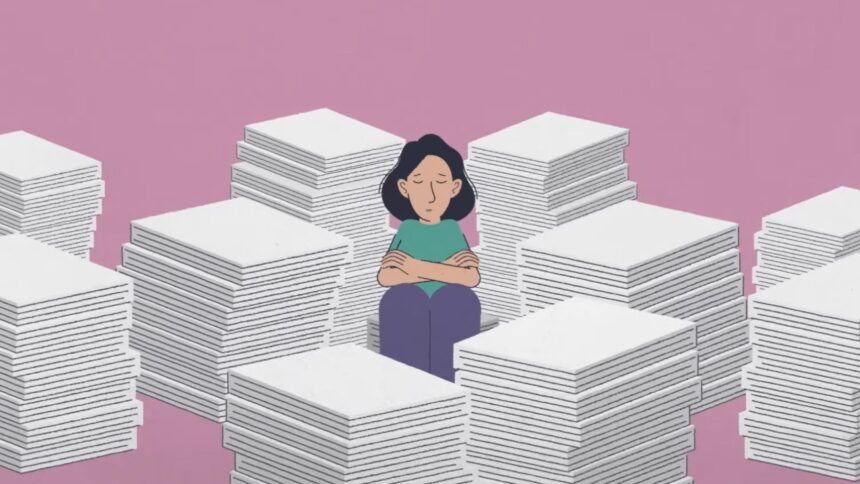
For many individuals, the accumulation of objects goes far beyond mere untidiness or clutter. Hoarding disorder is a deeply misunderstood and frequently stigmatized condition that affects how a person interacts with their living space, their memories, and their emotional history. A recent exploration by BBC Ideas and The Open University sheds light on this complex psychological landscape through a deeply personal account.
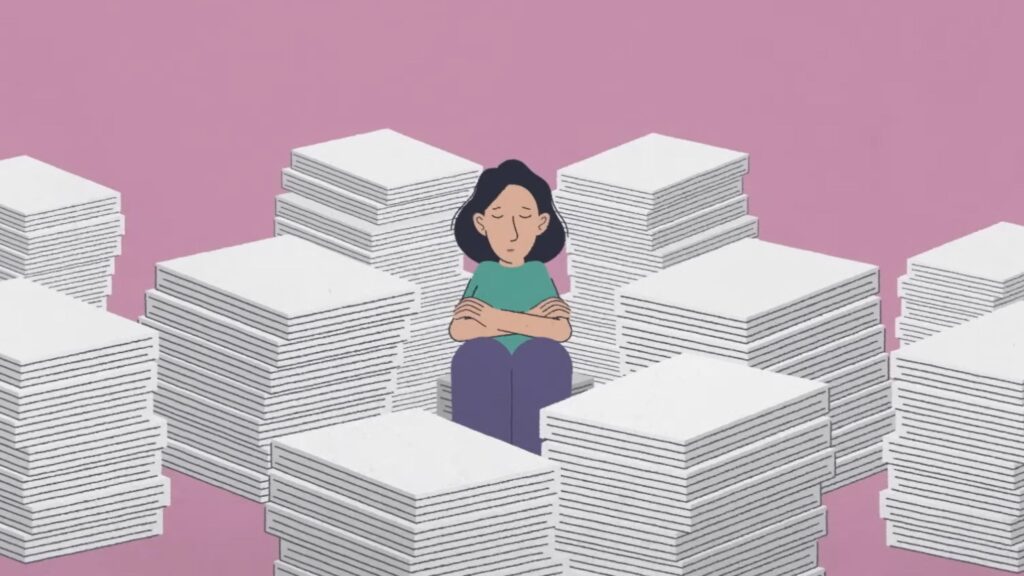
When society encounters excessive clutter, the immediate reaction is often frustration or confusion, viewing it simply as a failure of organization. However, as those who experience hoarding note, physical items often serve as tangible stand-ins for invisible emotional wounds. Objects can become physical manifestations of trauma, grief, or a deep-seated need for security and control in an uncertain world.
In modern psychological research, understanding how we attach meaning to our surroundings often intersects with broader creative thinking and behavioral science. Mental wellbeing is closely tied to our environment, yet the stigma surrounding hoarding frequently prevents individuals from seeking empathetic support or sharing their stories.
By listening to personal narratives rather than relying on superficial judgments, we can begin to untangle the heavy psychological threads connecting distress to material possessions. Fostering a more compassionate public dialogue allows us to approach complex behavioral patterns with curiosity rather than condemnation, acknowledging the profound vulnerability behind closed doors.