





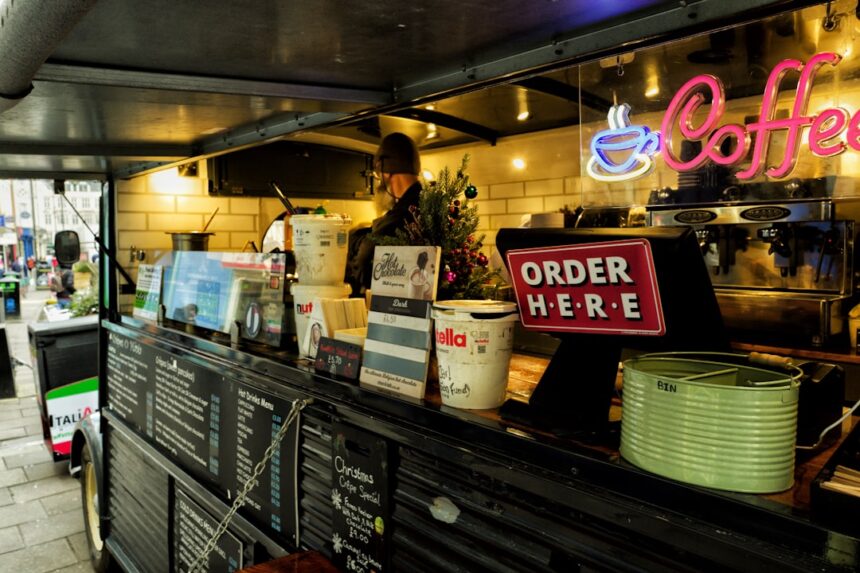
Oxford Independent Cafes provide a unique intersection between private thought and public existence. In a city where the university’s historic libraries command much of the scholarly attention, these smaller, independently owned spaces offer a different kind of sanctuary. They are the living rooms of the city, where the aroma of roasted beans meets the scent of old paper. Here, the urban routine slows down, allowing for a deliberate engagement with literature and community that the fast-paced modern world often lacks. For the resident and the visitor alike, these cafes represent more than just a place to consume caffeine; they are essential nodes in the cultural fabric of Oxford, facilitating a quiet social life centred around the printed word.
The Architecture of Quietude
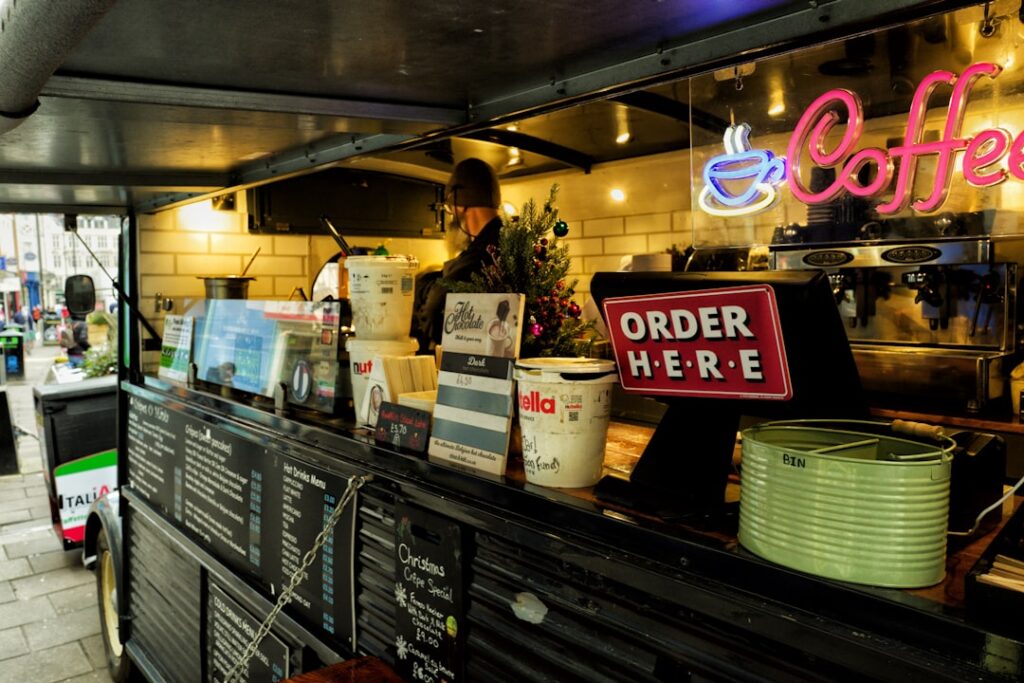
The charm of an independent establishment lies in its refusal to be uniform. Unlike the predictable layouts of global coffee chains, the local venues in Oxford are often housed in buildings with histories that predate the very concept of a “coffee break.” Some are nestled in narrow medieval structures with creaking floorboards, while others occupy bright, airy spaces that feel like modern art galleries. This architectural diversity dictates the social rhythm within. In the tighter corners of a tucked-away shop, the atmosphere is naturally hushed, encouraging a deep dive into a novel or a notebook. In broader spaces, the clinking of ceramic and the low hum of conversation provide a comforting white noise that many find more conducive to concentration than absolute silence.
This atmosphere is a vital part of Oxford public spaces, where the boundaries between the private self and the public sphere blur. When you step inside an independent cafe in Jericho or along the Cowley Road, you are entering a space that has been curated to feel personal. The furniture is often mismatched, the bookshelves are frequently stocked by the customers themselves, and the lighting is designed for reading rather than high-speed turnover. It is this intentionality that makes these cafes a staple of the daily routine for writers, students, and thinkers who seek a change of scenery from their desks.
A Third Space for the Intellectual
Sociologists often speak of the “third space”—the place between home and work where community happens. In Oxford, this role is predominantly filled by the independent cafe. These venues foster a sense of belonging without the formal requirements of a private club or the intensity of a workplace. For the solitary reader, the cafe offers a way to be social without the exhaustion of active participation. You are surrounded by people, yet you are free to remain within the world of your book. This “public solitude” is a cherished aspect of Oxford’s intellectual life.
The choice of venue often reflects the mood of the reader. Some prefer the bustling energy of a shop that serves as a crossroads for the city, while others seek out Oxford cafes for reading that prioritise a slower pace. In these quieter spots, it is not uncommon to see a patron spend two hours over a single flat white, turning pages in a rhythm that matches the slow descent of the afternoon sun. The staff in these independent establishments usually understand this unspoken contract; they provide the space and the sustenance, and in return, the patrons provide the shop with its character and its soul.
The Rhythm of the Urban Routine
Integrating a visit to a local cafe into one’s daily life is a form of urban ritual. It provides a structure to the day, a moment of transition between the responsibilities of the morning and the leisure of the evening. The walk to the cafe is just as important as the time spent inside. Moving through the city’s historic lanes and observing the seasonal changes in the parks can be a meditative experience. Many people find that their best ideas come not while sitting at a desk, but during the transition between spaces, perhaps while exploring various walking routes that lead toward their favourite local haunt.
This routine also supports the local economy in a way that feels meaningful. Choosing an independent business means supporting a local roaster, a baker from a nearby village, or a proprietor who knows your name and your preferred brew. This creates a feedback loop of community support. When we read in these spaces, we are not just consuming a product; we are participating in a tradition of public intellectualism that has existed in Oxford for centuries. From the coffee houses of the 17th century to the independent cafes of today, the act of gathering over a drink to discuss ideas or enjoy a book remains a cornerstone of the city’s identity.
Cultivating a Reading Culture
Ultimately, the social life of reading in Oxford is sustained by these independent pockets of calm. They provide the physical and mental space necessary for reflection in an age of constant digital distraction. When you close your laptop and open a physical book in a local cafe, you are making a statement about how you choose to spend your time. You are choosing the slow over the fast, the local over the global, and the tangible over the virtual.
Oxford’s independent cafes are more than just businesses; they are cultural institutions. They offer a warm welcome to the stranger and a consistent home for the regular. Whether you are seeking a place to hide from the rain with a classic novel or a bright corner to start a new project, these spaces are ready to accommodate you. They remind us that reading is not just a solitary act of consumption, but a shared cultural practice that flourishes when given the right environment to grow.