





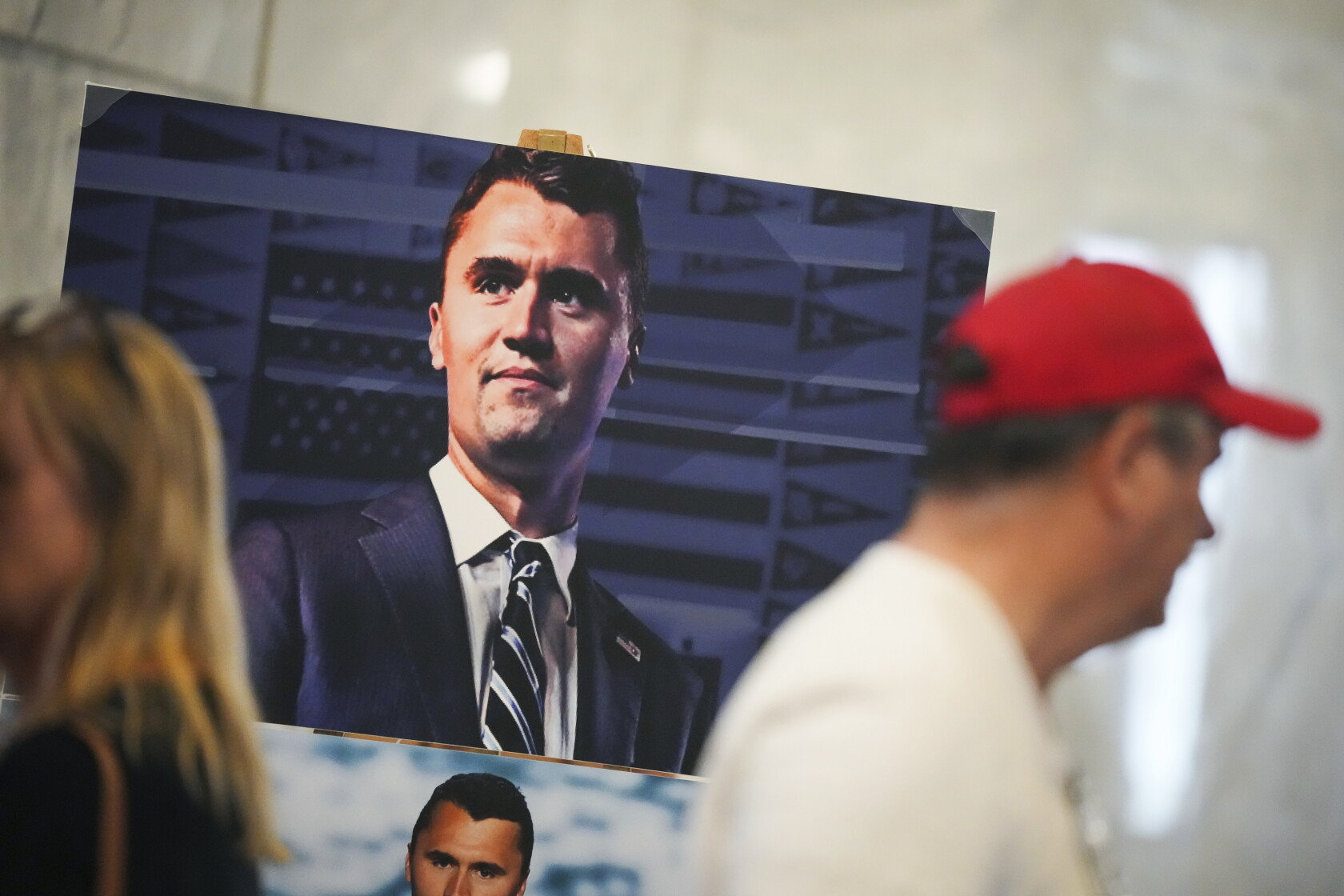
Recent developments in higher education have brought the intersection of academic freedom and public discourse into sharp focus. A series of employment disputes has culminated in nearly $3 million in total payouts to faculty members whose terminations were linked to controversial comments regarding political commentator Charlie Kirk. The most significant of these resolutions occurred this week, with the University of Tennessee finalizing a $1.9 million settlement with an anthropology professor previously dismissed from his position.
These settlements serve as a stark reminder of the complexities inherent in balancing institutional reputations with the professional autonomy of researchers and teachers. As campus environments evolve, the line between protected expression and conduct that violates university policy remains a contentious subject of debate. For those navigating the modern university landscape, such cases highlight the importance of understanding the boundaries of institutional policy in an era where personal views are increasingly scrutinized.
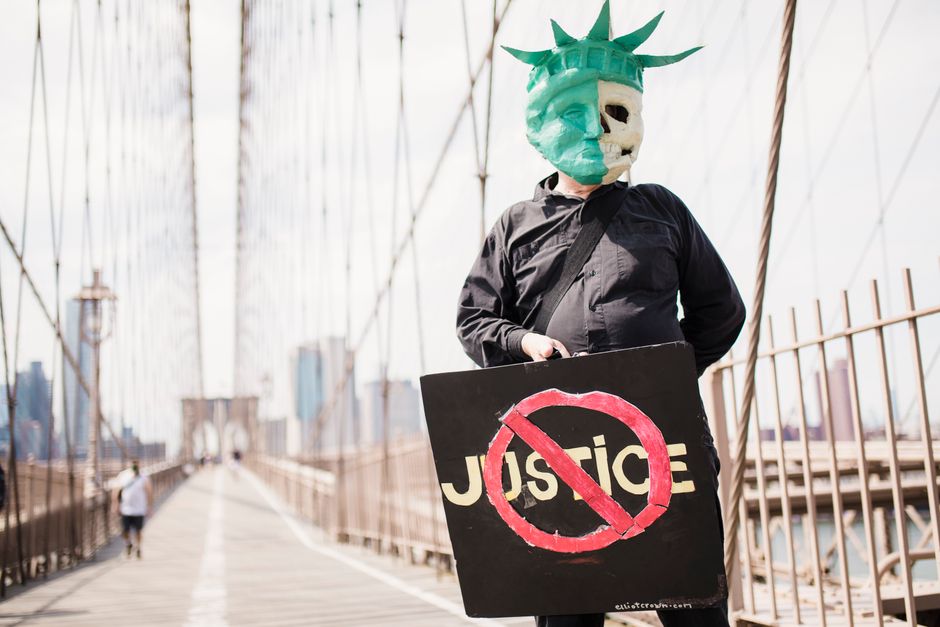
The tension surrounding these events is reflective of a wider intellectual challenge: how do we maintain a robust exchange of ideas when the very facts of a situation are often subject to heated dispute? This is a question frequently explored in our shared history discussions, which examine how academic discourse survives amidst deep societal polarization. The academic community is often tasked with being a forum for rigorous inquiry, yet these legal outcomes suggest that the cost of controversy—both financial and reputational—is rising.
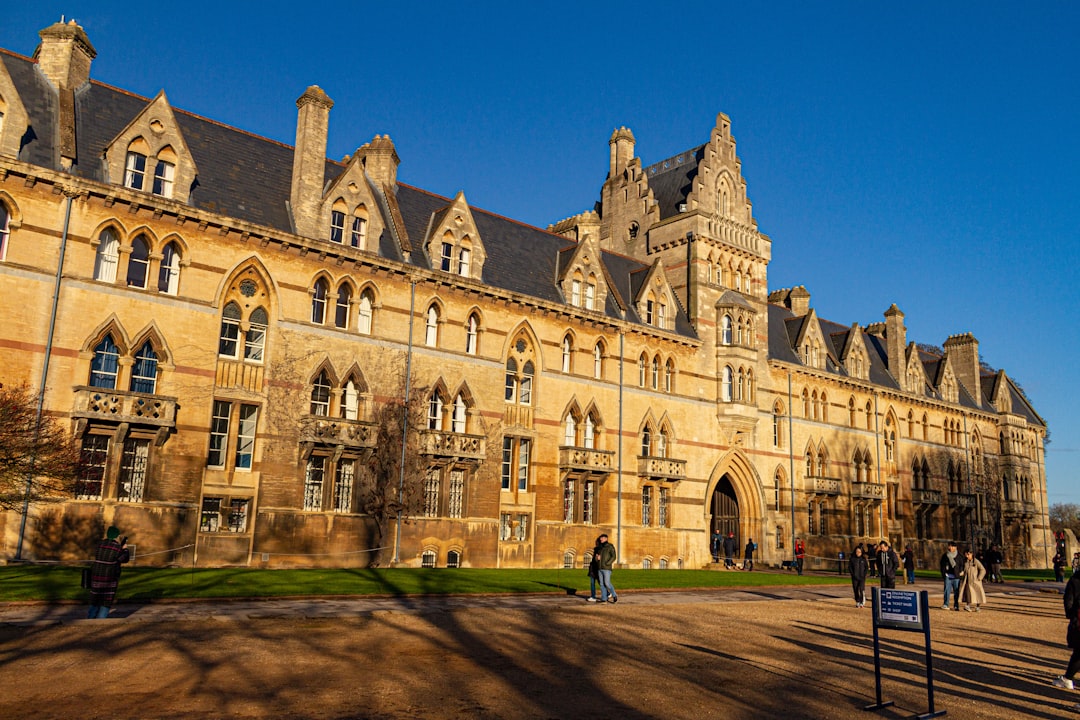
Beyond the legal and financial implications, these cases touch upon the lived experience of scholars and the atmosphere within academic departments. The debate over who may speak, and under what conditions, is not confined to administrative boardrooms; it filters down into the daily rhythms of Oxford student life, influencing how students and faculty interact with differing viewpoints. The pressure to conform or remain silent can stifle the very creativity that defines a vibrant intellectual community.
Ultimately, these settlements underscore the necessity of clear communication between institutions and their staff. As universities continue to grapple with their roles as both employers and bastions of free speech, the broader academic culture must decide how it defines the limits of debate. Whether these incidents lead to more restrictive policies or, conversely, a more nuanced understanding of academic freedom remains to be seen, but the high cost of these disputes suggests that the status quo is increasingly untenable.