





The intersection of academic research and high-level legal discourse remains a cornerstone of a well-informed society. Recently, this synergy was highlighted when the United States Supreme Court cited the work of UC Berkeley historian Hidetaka Hirota in a pivotal decision regarding birthright citizenship. By anchoring a modern constitutional interpretation in rigorous historical analysis, the ruling underscores the enduring relevance of the humanities in shaping contemporary public life.
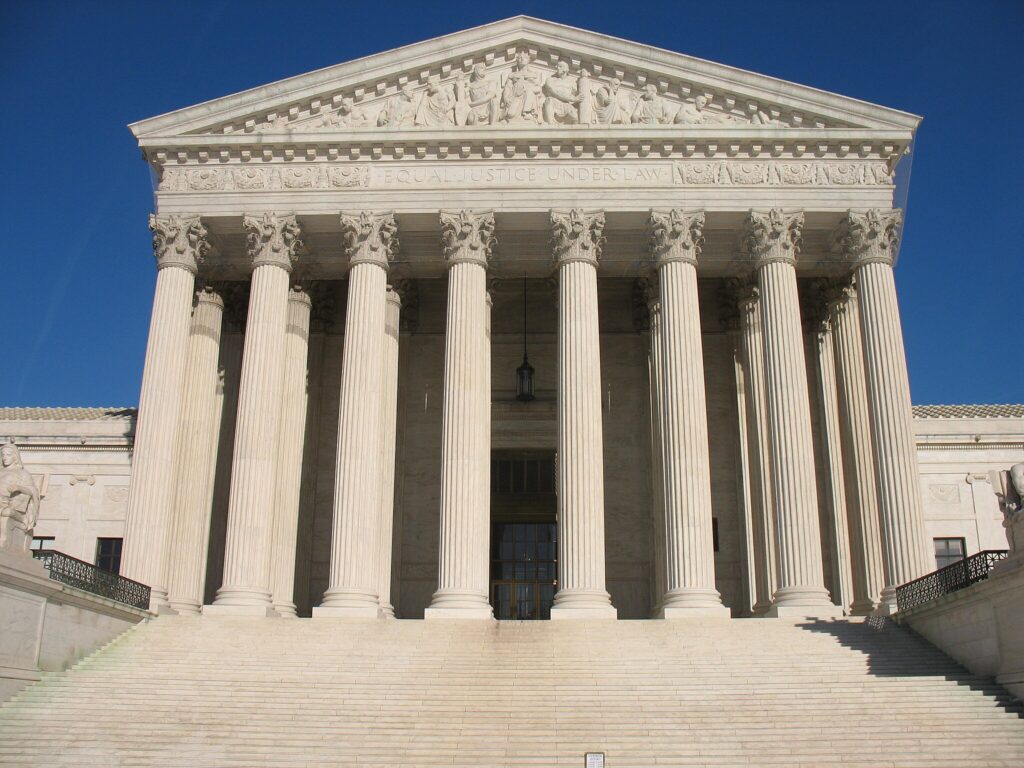
Professor Hirota’s research, which delves into the complex history of immigration and naturalization policies, provided essential context for the Court’s deliberations. His work serves as a reminder that the evolution of our laws is rarely isolated from the social and historical forces that preceded them. For historians, this recognition is more than an academic milestone; it is an affirmation of the public value of their discipline.
“The Chief Justice’s opinion demonstrates how historians’ work continues to matter in our society today,” Hirota noted following the decision. In an era where facts are frequently contested, this bridge between the archives and the courtroom offers a powerful example of how intellectual inquiry can provide clarity on fundamental questions of rights and identity.
At a time when we frequently discuss how to think about history, such developments remind us that the work conducted within university walls rarely stays confined to the classroom. Academic pursuits—whether they involve uncovering forgotten legislation or exploring modern cultural shifts—often form the bedrock of our societal progress.
This dialogue between scholars and institutions is essential for a functioning democracy. As we navigate our own campus life and research environments, we are reminded that every rigorous study has the potential to influence the wider world. Whether through scholarly journals or public testimony, the pursuit of knowledge remains our most reliable tool for navigating the complexities of the modern age.
For those interested in the evolving relationship between administrative policies and educational institutions, it is worth considering how new rules for accreditors and other policy shifts continue to frame the landscape of modern academia. Ultimately, when research is treated with the seriousness it deserves, the entire public square benefits.