





The Kyoto School occupies an unusual place in twentieth-century philosophy. Its thinkers were not simply translating European ideas into a Japanese setting, nor were they treating Buddhist thought as a closed tradition. They were trying to make different philosophical worlds speak to one another.
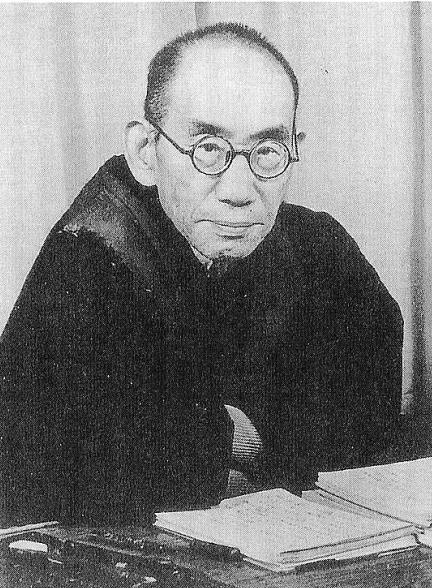
That ambition is what keeps the school interesting. Figures such as Nishida Kitarō, Tanabe Hajime and Nishitani Keiji engaged closely with Western philosophy while drawing on Zen and Mahāyāna Buddhist traditions. The result was not a neat synthesis. It was often difficult, sometimes controversial and intellectually ambitious.
More Than “East Meets West”
The phrase “East meets West” is tempting, but it is too simple. The Kyoto School developed in a period when Japan was rapidly modernising and negotiating its relationship with European intellectual traditions. Its philosophers were asking questions about selfhood, nothingness, religion, history and modernity from within that tension.
Their work also carries political complications. Some members of the school have been criticised for their relationship to wartime Japanese nationalism. That history matters. Treating the movement only as a harmonious example of cross-cultural philosophy would leave out one of the reasons it remains debated today.
Why Read It Now?
The value of the Kyoto School today is partly methodological. It shows what happens when philosophical traditions are taken seriously enough to challenge one another rather than being reduced to cultural decoration.
For readers interested in philosophy beyond a purely European canon, it offers a demanding case study in comparison. It also raises an uncomfortable but useful question: how should we read important ideas when their historical context is morally complicated?
The Stanford Encyclopedia of Philosophy provides a detailed introduction to the movement and its major thinkers at its Kyoto School entry.
The Kyoto School matters not because it solved the problem of bringing traditions together, but because it shows how difficult that work actually is.