






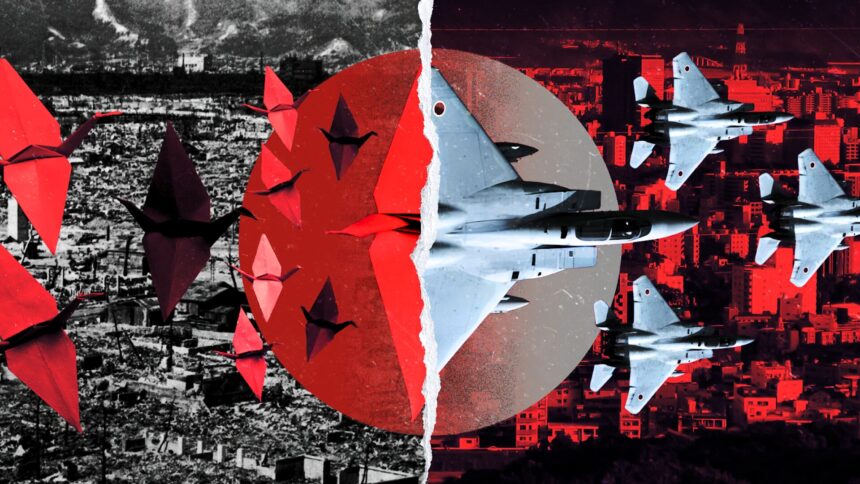
Japan is once again engaging in a profound national introspection. As contemporary geopolitical tensions rise across East Asia, political leaders are pressing for a more robust military posture, arguing that the nation must adapt to an increasingly unpredictable global environment. This pragmatic shift, however, strikes at the very heart of Japan’s post-war identity—a constitutional commitment to pacifism that has shaped its society, culture, and foreign policy for nearly eight decades.
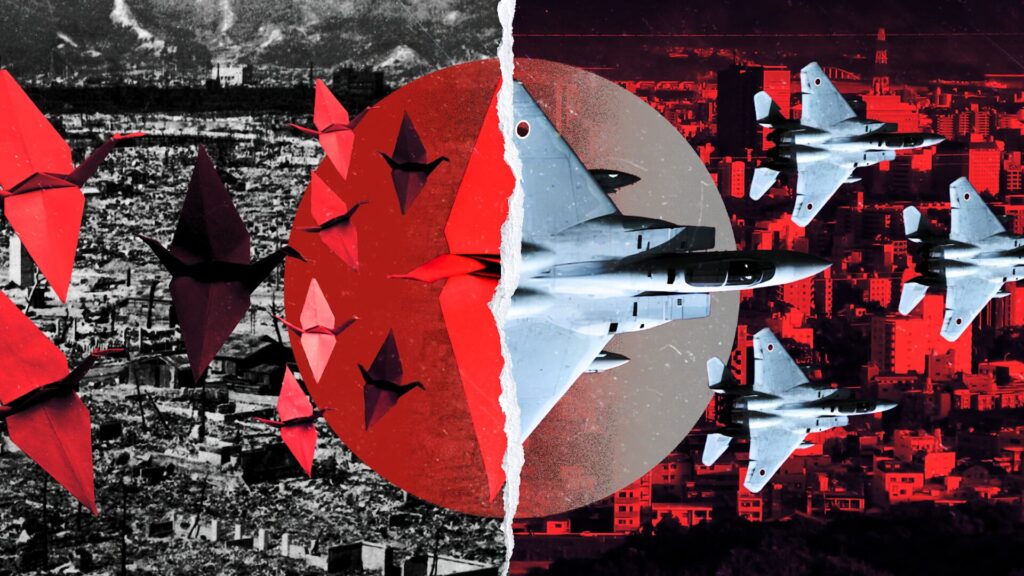
For generations, the renunciation of war codified in Article 9 of Japan’s post-war constitution has defined the nation’s sense of civic responsibility. It fostered a unique political culture that prioritized economic recovery, technological innovation, and diplomatic soft power over military might. Engaging with these deep-seated shifts often brings to mind broader discussions about public philosophy and everyday questions, as citizens and intellectuals grapple with how abstract legal principles translate into the practical realities of modern governance and public safety.
The current debate moves far beyond traditional defense policy, touching on how a society defines its fundamental character. Proponents of a stronger military argue that true sovereignty in the twenty-first century requires the capacity for collective self-defense and a credible deterrent against regional threats. Critics and traditional pacifists, conversely, worry that abandoning the post-war doctrine risks eroding the moral clarity and regional trust that Japan has carefully cultivated since 1945.
This ongoing tension highlights a recurring theme in modern intellectual life: the friction between enduring ethical ideals and the sudden demands of a changing world. Just as scholars often explore philosophy in everyday life and modern thinking, ordinary citizens in Tokyo and regional hubs are forced to weigh the philosophical value of absolute peace against the pragmatic necessity of national security.
Ultimately, this debate is not merely about troop numbers, defense budgets, or hardware. It is a fundamental inquiry into what it means to be a “normal” country in an era of complex global instability. As Japanese society navigates this delicate threshold, the outcome will likely redefine not only the nation’s security architecture, but also the collective memory and ethical framework that have sustained its modern identity.