




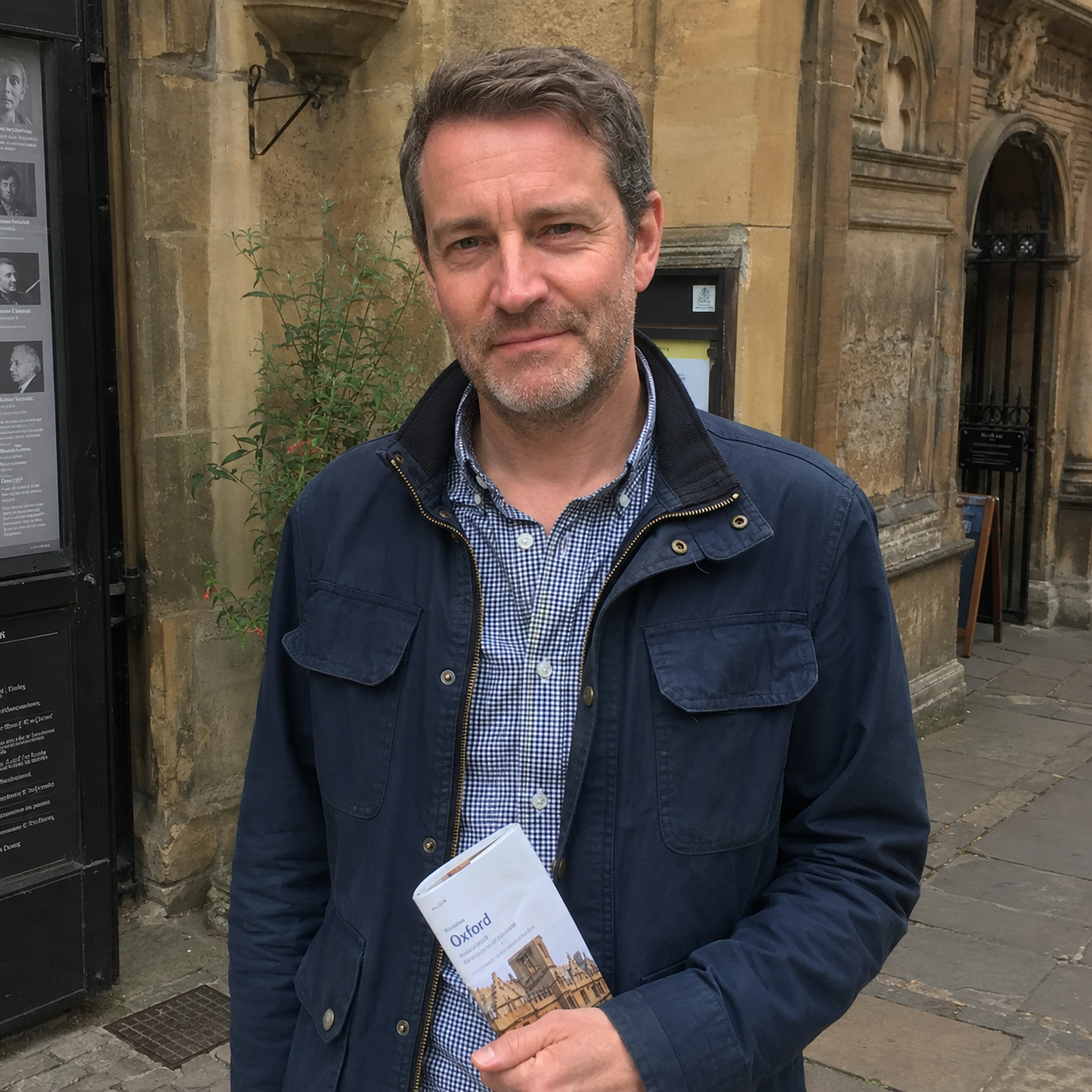
Oxford Walking Routes offer more than mere physical exercise; they provide a structured way to engage with the architecture, history, and evolving social fabric of this unique university city. In a place where stone, tradition, and modern existence overlap, the act of walking becomes a practice of mindfulness. It is a deliberate choice to shift one’s focus from the hurried pace of daily responsibilities to the subtle details of the built environment. When we move through the city on foot, we participate in a quiet tradition of observation that has been shared by scholars, poets, and residents for centuries. This engagement with public spaces allows us to move beyond the superficial image of Oxford as a static monument, revealing instead the layered narratives hidden within its streets and colleges.
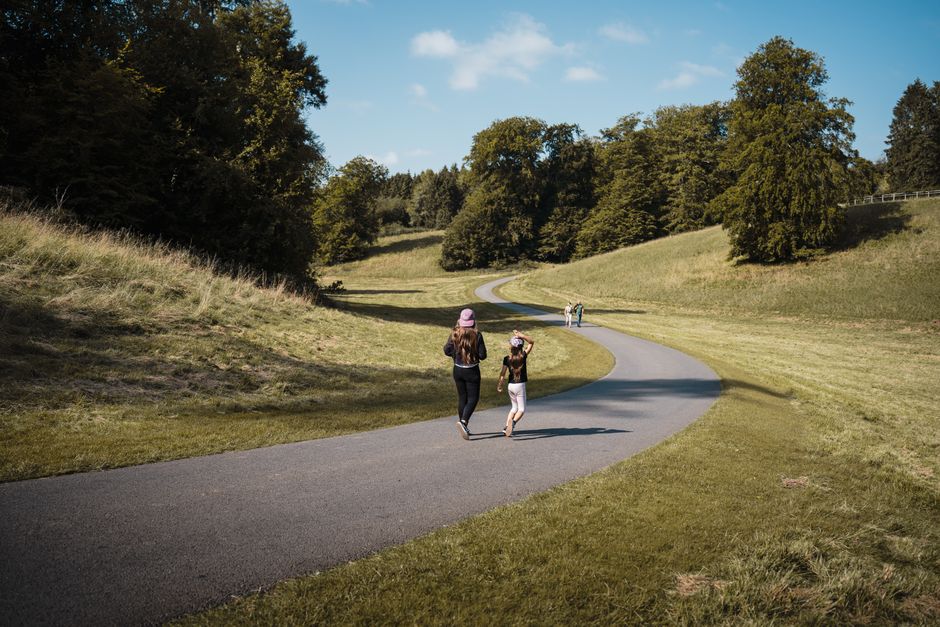
The city encourages a specific kind of attention. Unlike sprawling metropolitan centers that demand constant navigation through noise and rapid movement, Oxford is designed for the pedestrian. The narrow lanes, the tucked-away courtyards, and the quiet pathways along the River Thames or the Cherwell invite a contemplative pace. To walk here is to read the city like an open book. One observes how the shadows lengthen across the Radcliffe Camera in the late afternoon, or how the local community finds pockets of silence in the Oxford cafes for reading that occupy the corners of historic buildings. These routes are not just destinations; they are the connective tissue of urban life, bridging the divide between academic study and the lived reality of residents.
Place memory is central to this experience. As you walk past the Bodleian Library or wander through the Meadows, you are tracing the footsteps of countless individuals who helped shape modern thought. However, the culture of observation is also about acknowledging the present. It is in noticing the way the Westgate area has transformed or seeing the vibrant pulse of new retail spaces like the new Bershka store that reflects the changing demographic demands of the city. Effective walking in Oxford requires a balance: respecting the historical permanence of the limestone façades while appreciating the dynamic, shifting nature of a modern university town. By being intentional about our routes, we learn to distinguish between the noise of tourism and the steady rhythm of authentic city life.
There is a therapeutic quality to consistent walking, a realization often shared by those training for local events. Whether one is preparing for a competitive challenge like the annual road race in nearby Hook Norton or simply establishing a daily loop around Port Meadow, the physical exertion clarifies the mind. The repetitive nature of footsteps on pavement or grass allows for a form of cognitive processing that is difficult to replicate in stationary environments. In the context of Oxford, these walks serve as a grounding mechanism. They allow for a physical reconnection to the world, grounding abstract ideas in the concrete reality of a specific geography.
To cultivate a culture of observation, one must vary their routes. Walking the same path every day inevitably leads to a form of blindness where the surroundings become blurred into a familiar, unexamined background. By choosing different lanes—perhaps taking a detour through the hidden alleys behind High Street or exploring the residential outskirts of Jericho—we force the brain to re-engage. We begin to notice the architectural anomalies, the varying textures of brick and stone, and the small, human-scale details that make a city feel like a home rather than a stage set. This intentional observation transforms the act of transit into an act of discovery.
Moreover, walking acts as an essential buffer in modern life. In an era where digital saturation creates a sense of constant availability, the physical walk provides a sanctuary. There is no algorithm for a walk; there is only the environment and the individual’s perception of it. By choosing to walk through the city, we assert a degree of autonomy over our environment. We decide what to look at, where to pause, and how long to remain in a particular space. This agency is crucial for intellectual and emotional wellbeing. It allows the individual to step back from the abstractions of the digital screen and return to the grounded, physical reality of the city.
Ultimately, these routes are invitations to slow down and notice the rhythm of the seasons as they touch the city’s green spaces. Whether it is the mist rising off the river in November or the bright, sharp sunlight of an early spring morning reflecting off the spires, Oxford’s landscape changes in ways that only a dedicated walker can truly appreciate. By prioritizing this type of engagement, we move from being passive consumers of a city’s image to active participants in its continuous history. Walking is, at its core, a quiet intellectual duty—an acknowledgement that the spaces we inhabit are worthy of our full and focused attention.