




Oxford College Life and Modern Campus Culture

Thomas Avery
By
Thomas Avery
Thomas Avery is a cultural writer based in Oxford, with a background in local history, education writing, and museum interpretation. He studied History at the University...
Oxford College Life and Modern Campus Culture

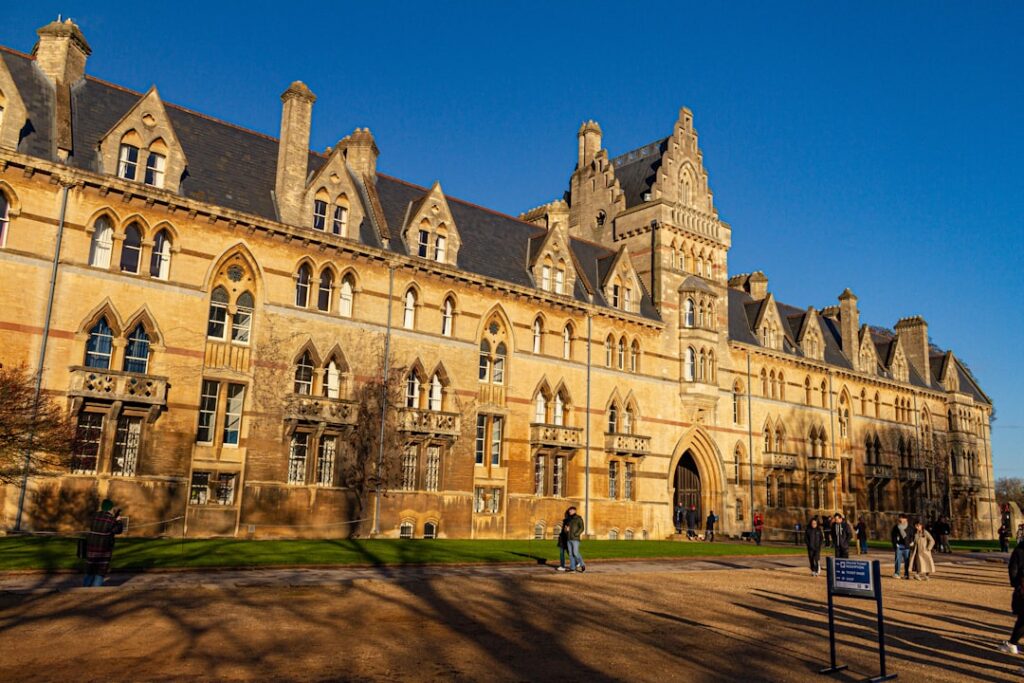
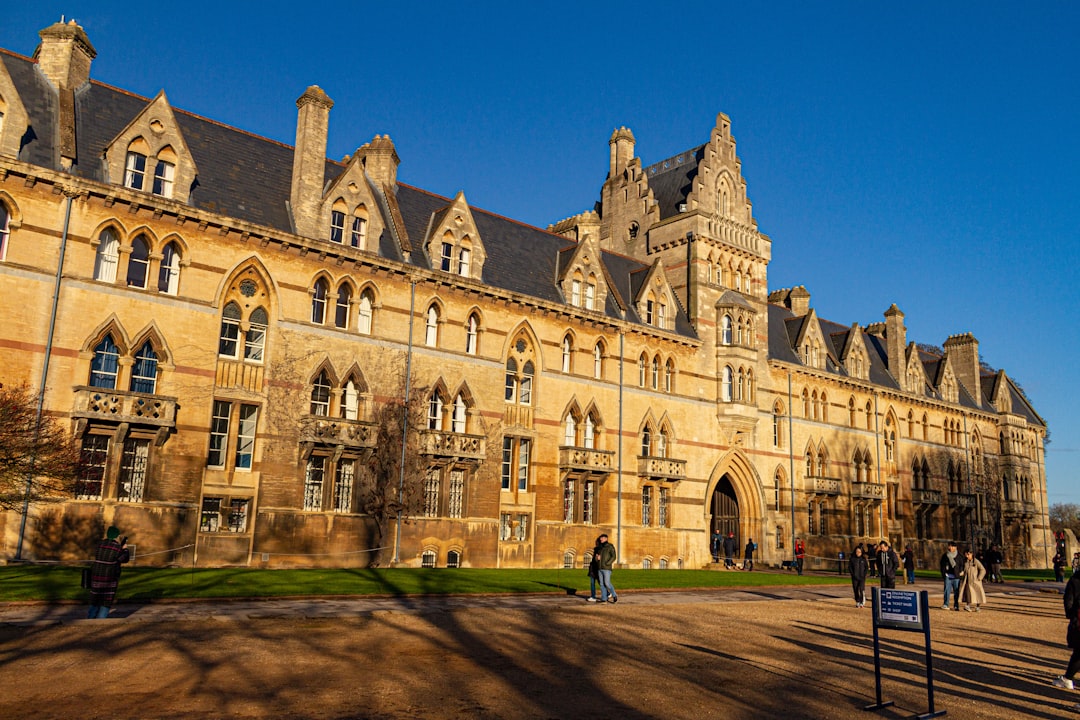
Oxford College Life remains a unique intersection of academic rigour and communal daily existence, distinct from the sprawling campuses of other global universities. For the student body, the reality of life within a college is defined by a series of repetitive, highly structured routines that prioritize proximity to one’s research and peers. Unlike the broader university experience, which often encourages independent transit across a city, the collegiate model functions as an intensive micro-society. Daily life is punctuated by the rhythms of the dining hall, the necessity of navigating ancient staircases, and the perpetual management of limited library desk space.

Oxford College Life

The academic calendar dictates the pace of existence. At the start of term, the focus is squarely on the logistics of arrival. For those navigating the complexities of housing, the second-year scramble serves as a reminder that student housing in a medieval city is a practical challenge rather than a seamless experience. Once settled, the daily routine shifts toward the demands of the tutorial system. This pedagogical structure requires students to produce high-density academic work on a weekly basis, which necessitates a disciplined approach to time management. The college is not just a residence; it is a workshop where the boundary between private rest and scholarly output is frequently blurred.

Study habits are heavily influenced by the physical architecture of the colleges. While the allure of historic reading rooms is well-documented, the modern student often prioritizes utility over atmosphere. Finding a quiet, accessible corner in a library or a shared study room often determines the productivity of one’s afternoon. The culture of study is inherently social, characterized by silent, shared focus among peers. This collective concentration is a defining feature of the environment; students work in parallel, creating a supportive but non-verbal community of inquiry. It is common to see clusters of individuals in common rooms or under-utilized corners of the quad, navigating the weight of their reading lists.

Social habits within the college setting are equally practical. Communal dining, once considered a formal affair, often functions as a necessary break from the isolation of the desk. These moments provide a platform for interdisciplinary exchange, allowing students from disparate fields—ranging from theoretical physics to medieval history—to encounter perspectives outside their primary research areas. However, these social interactions are rarely the structured events of popular perception. Instead, they are spontaneous, brief, and dictated by the overlap of schedules. The college bar or a quick coffee in the JCR (Junior Common Room) serves as the primary venue for these interactions, acting as a pressure valve for those submerged in their research.

The community is further cemented by the shared experience of administrative hurdles and the peculiar bureaucracy of the collegiate system. Whether it is the coordination of matriculation, the selection of rooms, or the practicalities of booking departmental resources, the student body learns to navigate a landscape of rules and traditions. This environment demands a high degree of autonomy. While the college provides a framework for support, the onus remains on the student to manage their mental wellbeing and academic milestones. It is a system that thrives on consistency rather than flexibility.

Public spaces within the college, such as the chapel or the library, double as hubs of local history. Residents of these spaces are constantly aware of the layers of activity that have preceded them. This awareness does not always translate into a nostalgic sentiment; rather, it manifests as a pragmatic recognition of how to use the available infrastructure to succeed in the present. Modern students are as focused on finding reliable Wi-Fi or a functional printer as they are on the weight of their academic heritage. The challenge of balancing a prestigious intellectual environment with the mundane requirements of contemporary student existence is the true definition of modern campus culture at Oxford.

Ultimately, the collegiate structure operates as an ecosystem of mutual reliance. From the student life beyond the classroom to the quiet labor of the early morning, the focus remains on the synthesis of individual effort and group stability. Success is not measured by the grandeur of the surroundings, but by the ability to maintain one’s rhythm amidst the pressure of frequent deadlines. By eschewing romanticised notions of academic life, one finds a more authentic, manageable understanding of what it means to participate in this centuries-old tradition. It is a life of routine, shared quietude, and the quiet persistence of those working to define the next generation of thought.

References:

Oxford Social. (2024). No One Tells You About the Second-Year Scramble. Oxford Social.

Oxford Social. (2024). Oxford Libraries and the Culture of Study. Oxford Social.

Oxford Social. (2024). Oxford Student Life Beyond the Classroom. Oxford Social.

Share This Article
Thomas Avery is a cultural writer based in Oxford, with a background in local history, education writing, and museum interpretation. He studied History at the University of Sheffield before working on visitor guides, public history notes, school learning materials, and short essays about cities, institutions, and cultural memory. His writing often looks at how places carry meaning: college courtyards, museum rooms, old streets, libraries, parks, cafés, lecture halls, and the routes people take through a university city. He is especially interested in Oxford as both a historic place and a modern social environment. For Oxford Social, Thomas writes on city life, campus culture, museums, public spaces, local history, education, and the everyday geography of intellectual life.