





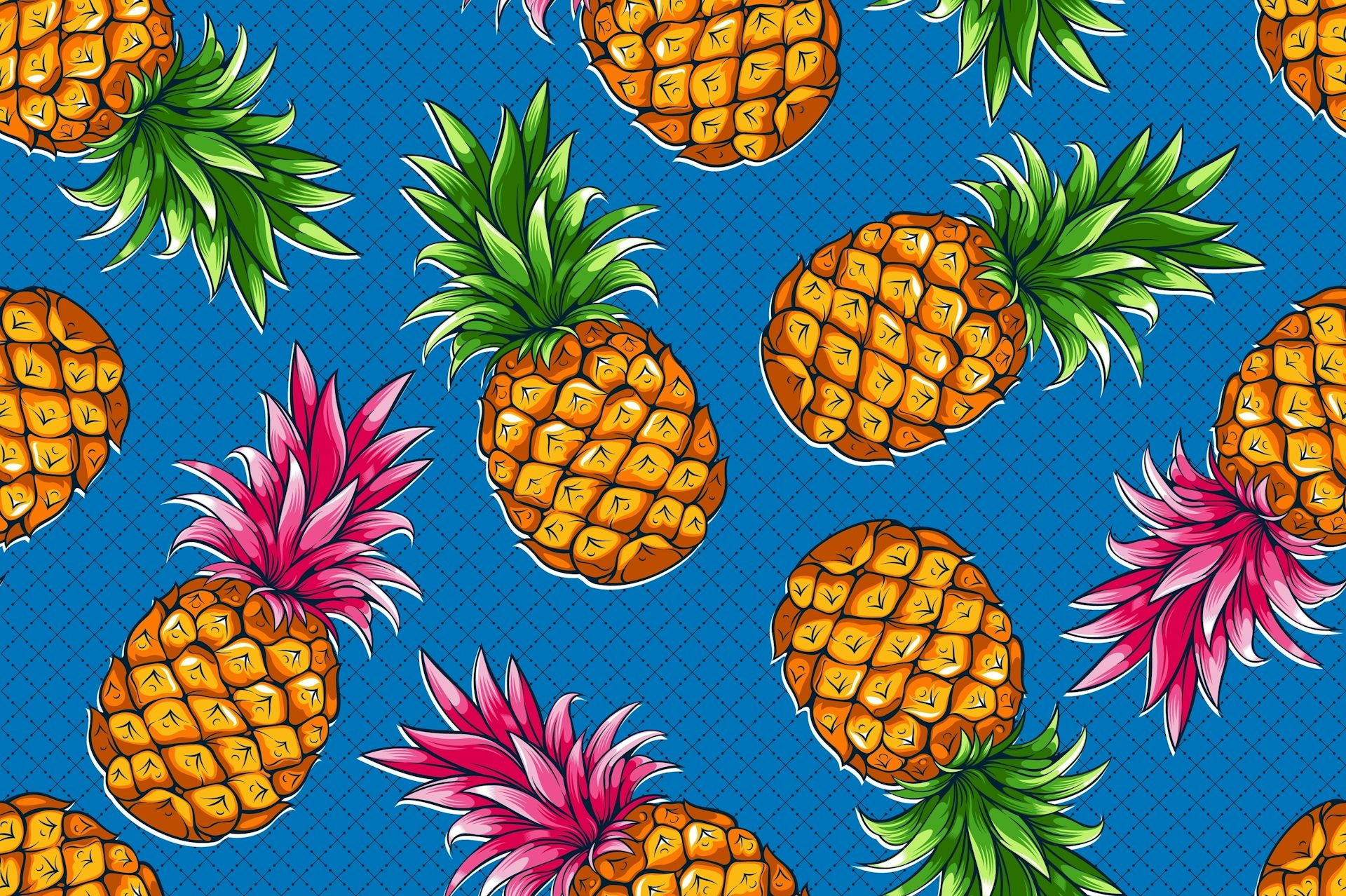
Some of the fastest evolutionary changes ever recorded in plants appear to be driven by an unexpected pair: hummingbirds and pineapples. New research suggests that the relationship between these hovering birds and bromeliads—the plant family that includes the pineapple—has created an evolutionary feedback loop that accelerates adaptation far beyond typical rates.
The study highlights how pollination can act as a powerful evolutionary force. When a plant species becomes dependent on a specific pollinator, it often undergoes rapid physical changes to better attract or accommodate that animal. In the case of certain bromeliads, the shift toward hummingbird pollination triggered a cascade of alterations in flower shape, colour, and nectar production. These changes happened at a speed that surprised researchers, underscoring the intense selective pressure a single pollinator can exert.
Mutualisms like this one are not simply gentle partnerships. They can become engines of biological innovation. The hummingbird’s need for energy-rich nectar and the plant’s need for reliable pollen transfer lock the two species into a dance of reciprocal adaptation. Over generations, slight variations that improve the efficiency of this exchange are rewarded, while less suitable traits fade away. The result is a burst of evolutionary change—what scientists sometimes describe as a “sweet spot” of coevolution.
Understanding such rapid evolution reshapes how we think about the tempo of natural selection. The natural world is not always a slow, grinding process of incremental change. Under the right conditions, organisms can transform quickly, reconfiguring their biology to exploit new opportunities. This idea resonates beyond botany. Creative thinking in modern intellectual life similarly thrives when distinct influences intersect in unexpected ways, generating novel solutions from familiar materials.
Bromeliads are a diverse family, with many members that do not rely on hummingbirds at all. The shift to bird pollination seems to have happened independently in multiple lineages, each time unlocking a rapid phase of diversification. The pineapple itself, now a global crop, is a distant cousin within this same botanical group. While the cultivated fruit no longer depends on hummingbirds, its wild relatives still carry the evolutionary signatures of that ancient bond.
For ecologists, the findings serve as a reminder that the loss of a pollinator can mean more than the disappearance of a single service. It can sever a relationship that has actively shaped a plant’s evolutionary trajectory. Protecting hummingbird habitats, then, is not only about conserving a charismatic bird. It is about safeguarding the deeper processes that generate and sustain biological diversity. The biggest stories in evolution are often hidden in plain sight—in the brief hover of a tiny bird visiting a tropical flower.