






In the landscape of 20th-century intellectual history, few movements bridge the divide between East and West as profoundly as the Kyoto School. Centred on the work of thinkers who sought to synthesize the spiritual depth of Mahāyāna Buddhism with the rigorous methodologies of Western philosophy, the movement remains a cornerstone of comparative study. A newly revised entry by Bret W. Davis offers a refreshed perspective on this influential collective, reminding us of the enduring necessity of cross-cultural dialogue in creative thinking and modern intellectual life.
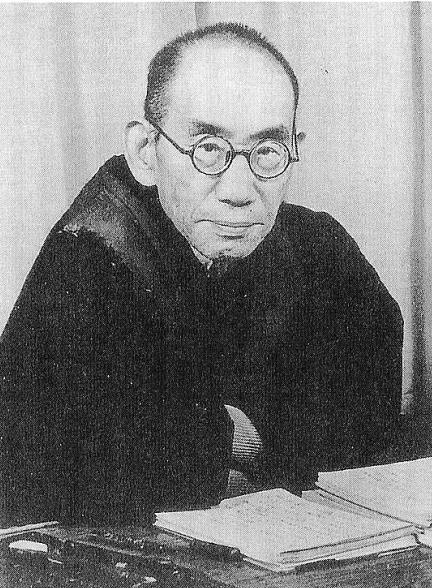
The Kyoto School—or Kyōto-gakuha—did not merely import European concepts to Japan. Instead, its figures engaged in a sophisticated interrogation of existential questions, subjectivity, and the nature of reality. By pairing classical Buddhist tenets with the works of thinkers like Kant, Hegel, and Heidegger, they carved out a unique philosophical space. This synthesis invites students and researchers alike to reconsider how diverse traditions can inform one another, challenging the assumption that philosophy must remain anchored in a single geographic or cultural sphere.
For those interested in the evolution of political and personal autonomy, the school’s work also offers nuanced contributions to ongoing debates surrounding positive and negative liberty. The thinkers associated with the Kyoto School often grappled with the tension between individual agency and the collective—or “absolute nothingness”—a concept that resonates deeply with contemporary discussions on the individual’s role in a rapidly globalising society.
As academic records are updated and re-examined, the Kyoto School continues to serve as an essential touchstone. Its legacy encourages an inquisitive approach to the history of ideas, proving that the most profound insights often emerge at the intersections of disparate traditions. Whether one is navigating the complexities of modern political climates or exploring the roots of cross-cultural logic, the school provides a robust framework for those committed to a truly global intellectual pursuit.
For students in Oxford and beyond, engaging with the Kyoto School is more than a historical exercise; it is an invitation to broaden the horizon of what constitutes a valid philosophical enquiry. By revisiting these foundational texts, we gain not only a better understanding of Japan’s intellectual heritage but also a clearer lens through which to view our own contemporary challenges.