





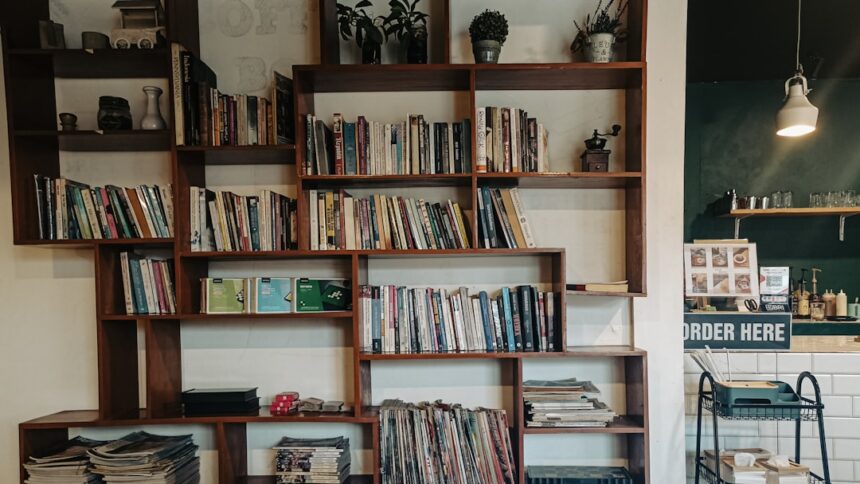
Literary Cafes remain peculiar sanctuaries in our modern urban landscape, bridging the gap between private introspection and public visibility. The morning light cuts across the wooden tabletop, catching the rim of a lukewarm espresso and the frayed corner of a paperback. A notebook lies open beside it, its pages half-filled with crossing-outs and sudden inspirations. Across the room, someone reads in absolute stillness, completely immune to the hum of the espresso machine and the low murmur of nearby conversation. This particular theatre of everyday life relies on a very specific kind of architecture. It is not a library, though books are always present in spirit if not in physical stacks. It is not a traditional office, despite the glowing laptops and intense tapping of keys. Instead, it offers a distinct third space where people gather not to produce or consume in haste, but simply to inhabit the same intellectual atmosphere.
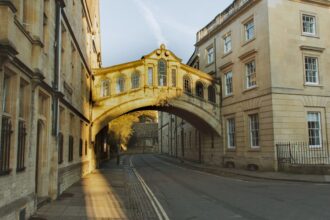
We often treat reading as an entirely solitary pursuit, something best done behind closed doors or under the silence of vaulted ceilings. Yet the enduring appeal of these public rooms suggests we actually crave a backdrop of gentle human activity while we read. The ambient noise provides a strange form of focus. When you sit among strangers who are similarly engaged in writing, thinking, or staring into space, your own concentration deepens. It is a shared solitude. You are alone together. This dynamic helps explain why Oxford cafés work for reading so effortlessly, offering a natural rhythm that matches the intellectual pace of university towns and bustling cities alike. The urban environment can often feel disjointed, but these venues restore a sense of communal rhythm without demanding forced social interaction.
The Art of Getting Lost in Public
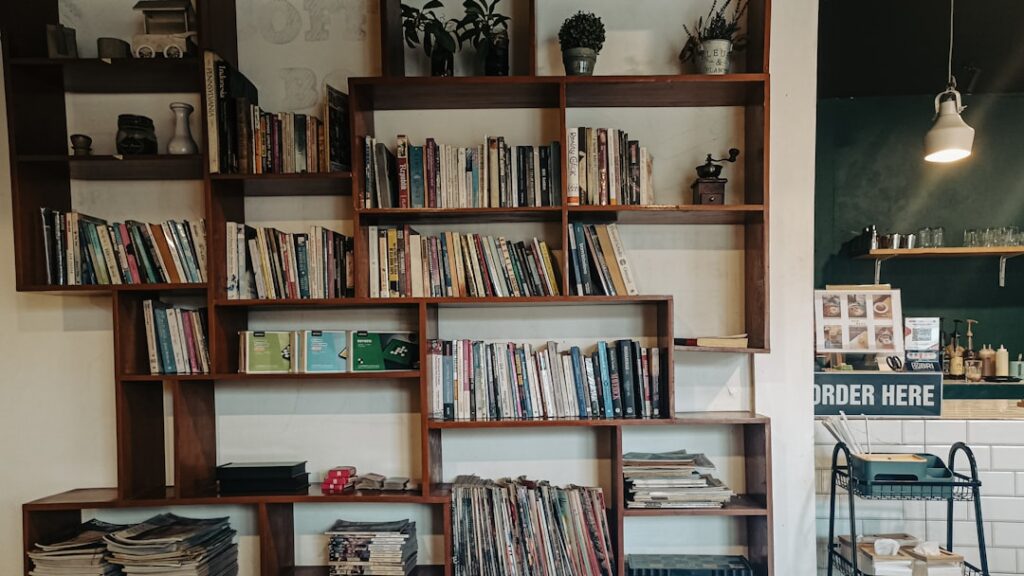
There is a specific bravery required to open a book in a crowded room. You expose your tastes, your pacing, and your moments of distraction to anyone who happens to glance up from their pastry. Yet this exposure paradoxically frees the mind. At home, every chore calls out for attention. In a public café, the laundry cannot be folded and the emails can wait. You surrender to the page because there is nothing else to do. This environment nurtures the culture of attention that modern digital distractions constantly try to erode. You are anchoring yourself in a physical location while your mind travels across centuries or continents. The clatter of ceramic cups and the scrape of chairs become a steady white noise that washes away the internal static of daily anxieties.
Writers have long understood the utility of these public listening posts. Eavesdropping on fragments of dialogue provides an accidental education in human speech and cadence. A stray sentence overheard near the pastry counter often finds its way into a poem, an essay, or a novel. This casual exchange of energy links local establishments to larger cultural institutions. When we look at broader public literary life, we see the same impulse scaled up: the desire to keep texts, thoughts, and citizens in the same room, breathing the same air. Ideas rarely hatch in total isolation. They require friction, occasional interruption, and the subtle charge of human proximity to truly take root.
Not Every Corner Is a Creative Haven
It is easy to romanticize these spaces into frictionless hubs of genius, but the reality is frequently far more mundane. The romantic image of the solitary genius drafting a masterpiece over a single black coffee collapses the moment a blender starts roaring or a toddler drops a heavy wooden toy on the tile floor. Noise is an omnipresent hazard. Prices for a simple brew have risen to levels that make long, lingering afternoons an expensive luxury rather than a casual habit. Crowds surge at midday, turning quiet sanctuaries into frantic arenas of shouted orders and hovering patrons waiting for a liberated stool. Wi-Fi signals drop precisely when inspiration strikes. Not every corner table offers a view of literary redemption. Sometimes you simply find yourself wedged between a malfunctioning radiator and a customer speaking far too loudly on a conference call.
Economic pressures also shape the modern café landscape in ways that challenge the traditional bohemian ideal. Staff must turn tables to survive rising rents, which introduces a subtle, unspoken tension between the lingering reader and the barista clearing plates. The hospitality industry operates on turnover, while the intellectual life demands duration. Navigating this tension requires a delicate etiquette. You order a second drink. You tip well. You surrender your seat when the queue stretches toward the door. Recognizing these commercial realities prevents us from viewing these spaces through an overly sentimental lens. They are commercial enterprises first, intellectual salons second. That fragile compromise is precisely what makes a successful afternoon feel earned rather than guaranteed.
The Conversation Across the Table
Beyond reading and solitary drafting, these venues serve as informal academies of conversation. Long before seminar rooms and digital forums dominated intellectual exchange, debates happened across marble-topped tables over stained saucers. The talk is rarely academic in a formal sense. It ranges from local gossip to sweeping philosophical disputes, moving fluidly between high culture and petty grievances. This casual discourse helps knit a community together. It reminds us that thought is not merely something stored in leather-bound volumes, but an active, spoken practice that requires testing against another person’s skepticism or enthusiasm. When cities grow sprawling and impersonal, these micro-communities offer an antidote. They remind us how public spaces shape everyday life by giving casual encounters a predictable physical home.
There is also an inherent democracy to the seating arrangement. The student with a borrowed textbook shares airspace with the retired professor and the freelance designer. No membership card is required beyond the price of a beverage. In an era where physical spaces are increasingly privatized, gated, or monetized exclusively for high-end consumption, the enduring presence of a room full of people reading and talking feels quietly radical. It preserves an older urban ecology where intellectual curiosity is treated as a normal, accessible part of daily survival. You do not need an invitation to enter, only a willingness to sit quietly among strangers and pay attention to the world unfolding around you.
The afternoon shifts its angle, casting long shadows across the floorboards as the lunchtime rush dissolves into the quiet lull before evening. A barista wipes down the counter with a damp cloth, the rhythmic squeak echoing softly against the glass. The person with the paperback turns the final page, closes the cover with a gentle thud, and slips it into a worn canvas bag. Outside, the evening air carries the faint scent of rain and exhaust, but inside, the remaining few linger over the dregs of their cups, watching the streetlights flicker on one by one.