






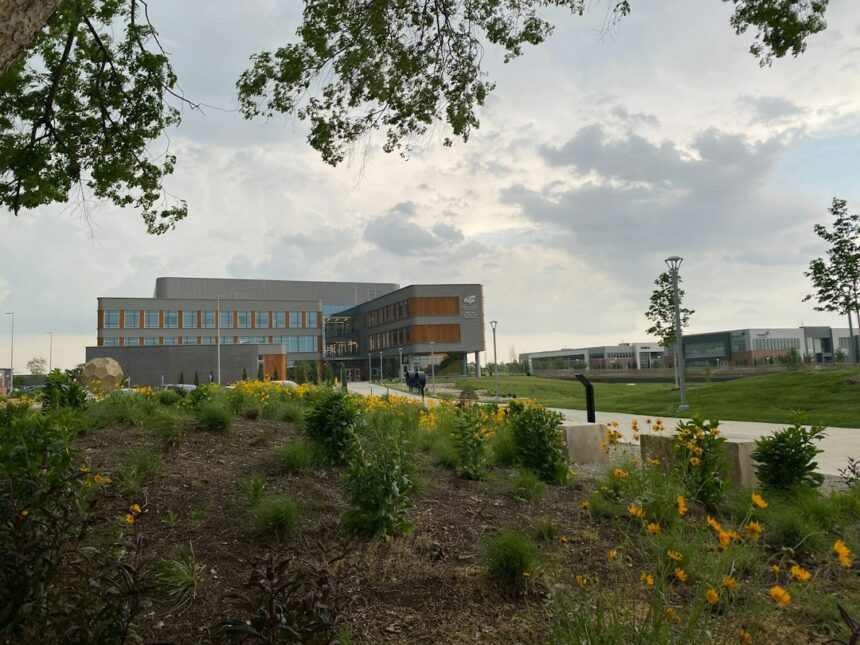
Campus belonging begins long before any grand academic revelation or formal induction ceremony takes place. It starts in the quiet friction of daily movement, the low hum of conversation in a crowded library corridor, and the mundane geometry of student spaces. Picture a student walking across a paved courtyard at dusk, carrying a stack of photocopied seminar readings. There is a pause at the heavy wooden door of the college library, a brief wait in the cafeteria queue behind someone wearing a faded college scarf, and a short walk down a linoleum-floored corridor toward a damp basement room where a departmental society is holding its weekly meeting. These moments are brief, ordinary, and largely unrecorded in university prospectuses. Yet they form the foundational texture of student life. Architecture and routine combine to determine how people inhabit shared spaces and whether they feel anchored to their surroundings. We often look for major milestones to mark our place in an institution, but the reality of daily existence is much smaller. A sense of place takes root through repetition, familiarity, and the unspoken comfort of returning to the same chair at the same table day after day.
The Library Desk and the Geometry of Concentration
The library is rarely thought of as a social hub, yet it functions as the silent anchor of academic life. Rows of heavy oak desks, green-shaded reading lamps, and the steady rustle of turning pages create an atmosphere of shared purpose. Sitting in the same corner of a reading room every afternoon transforms an impersonal institutional space into a familiar personal territory. You begin to recognize the posture of the person two desks down, the rhythmic tapping of a laptop keyboard across the aisle, and the specific squeak of the librarian trolley rounding the corner at four o’clock. This low-stakes proximity fosters a unique kind of collective focus. No words are exchanged, but the presence of others engaged in the same difficult task provides a quiet reassurance. It is an ambient form of community that requires no performance or social negotiation. The architecture of these historic rooms, with high ceilings and tall windows letting in the grey afternoon light, dwarfs individual anxiety. Within these walls, studying is not an isolated act performed in a vacuum, but part of a long lineage of scholarly habit. A deep understanding of what Oxford libraries add to study reveals how physical design shapes intellectual dedication. Over time, the corner desk becomes more than just a place to read; it becomes a physical manifestation of a student’s place within the university.
The Cafeteria Queue and the Choreography of Meals
Midday meals on campus provide a stark contrast to the solitary focus of the library. The cafeteria queue is an exercise in social choreography. Students shuffle forward with trays, negotiating space between backpacks and coat racks, looking for an empty chair at a long refectory table. This setting tests social endurance in subtle ways. Finding a seat among strangers requires a casual confidence that not everyone possesses on day one. The clatter of cutlery, the steam rising from metal trays, and the hum of overlapping conversations create a sensory landscape that can feel overwhelming or welcoming depending on the hour. Sharing a table with acquaintances or casual peers breaks up the intense mental labor of the morning. It introduces a different rhythm to the day, one defined by interruptions, passing remarks about upcoming tutorials, and shared complaints about the weather. These interactions do not need to be profound to matter. The act of sitting opposite someone else, passing the salt, or waiting for the kettle to boil in a shared pantry establishes a baseline of human contact. University life is sustained as much by these unscripted mealtime conversations as it is by formal lectures and seminars.
The Basement Society Meeting and Provisional Commitments
As evening approaches, the focus shifts from solitary study and casual dining to organized extracurricular spaces. Basement rooms, dimly lit lecture halls, and cramped student union offices host the meetings of countless clubs and societies. These spaces often smell faintly of damp carpet, old paper, and stale tea from chipped mugs. Walking down the stairs to a departmental debate or a niche hobby club requires a small act of courage. Once inside, the social structure is mediated by a shared interest, whether it is political discussion, theatrical design, or amateur journalism. The room is usually crowded, chairs are arranged in a rough circle, and someone is struggling to connect an old projector to a laptop. Participating in why student societies matter at Oxford highlights how these gatherings offer an alternative structure to the formal college system. They allow students to test out new roles, argue about obscure topics, and collaborate on projects without the pressure of formal grading. In these crowded basements, identities are tried on and discarded, and lasting friendships often begin not through grand mutual confessions, but through the shared endurance of a boring administrative meeting.
The Shared Corridor and the Friction of Domestic Life
Residential corridors and stairwells represent the most intimate scale of campus geography. These are the spaces where academic life bleeds into domestic reality. A student carrying laundry down a narrow hallway passes open doors revealing posters, piles of dirty mugs, and discarded shoes. The corridor is a site of accidental encounters: bumping into a neighbor while waiting for the kettle to boil, exchanging pleasantries about a broken washing machine, or hearing muffled music through thin walls late at night. These threshold spaces force an awareness of other lives unfolding in parallel. Living in close proximity with people chosen entirely by chance creates a particular type of social friction. Hallways are where students learn the delicate art of coexistence. Negotiating quiet hours, sharing refrigerator shelves, and navigating mess in common areas require compromise and patience. When these domestic spaces function well, they provide a secure base from which to face the demands of the wider university. When they are strained, the stress of living arrangements can make the entire campus feel unwelcoming. The corridor is where institutional belonging translates into a lived, physical reality.
When the Spaces Refuse to Open
Not every student finds an immediate home in libraries, cafeterias, or society rooms. For some, these environments remain stubbornly opaque, generating a persistent sense of displacement rather than comfort. Walking past lit windows where others laugh inside can heighten the feeling of being an outsider. This experience is an unacknowledged part of university culture that resists easy categorization. It is not always about dramatic crises or severe isolation; often, it is a quiet, wearing mismatch between an individual’s rhythms and the social tempo of the institution. Some students find that the traditional collegiate structures do not reflect their backgrounds, communication styles, or personal schedules. Navigating the unwritten rules of social engagement can feel like attempting to read a map in a language one has not yet learned. Recognizing this difficulty without immediately offering a therapeutic remedy is essential. Institutions are complex webs of history, privilege, and architecture that naturally suit certain temperaments better than others. When connection fails to materialize naturally in the standard campus settings, the days can feel long and administrative hurdles can seem insurmountable.
The Accumulation of Ordinary Encounters
Ultimately, a sense of place at university is rarely conferred by a single dramatic moment or an official welcome speech. It is assembled slowly from the accumulation of small, repeated encounters. It is the fifth time you buy a coffee from the same vendor and they remember your order. It is knowing which stairwell echoes the most, which bench catches the midday sun during autumn, and which library seat has a working power outlet. These minor details anchor a person to an institution far more effectively than abstract concepts of identity or institutional prestige. By paying attention to the physical settings where daily life unfolds—the desk, the queue, the basement room, the corridor—we can see how institutional culture is actually lived. Belonging is not a permanent state to be achieved once and for all; it is a continuous practice of inhabiting spaces, encountering others, and letting ordinary routines turn an unfamiliar campus into a home.
References
- Oxford Social. What Oxford Libraries Add to Study. Available at: https://oxfordsocial.co.uk/what-oxford-libraries-add-to-study/
- Oxford Social. Why Student Societies Matter at Oxford. Available at: https://oxfordsocial.co.uk/why-student-societies-matter-at-oxford/