






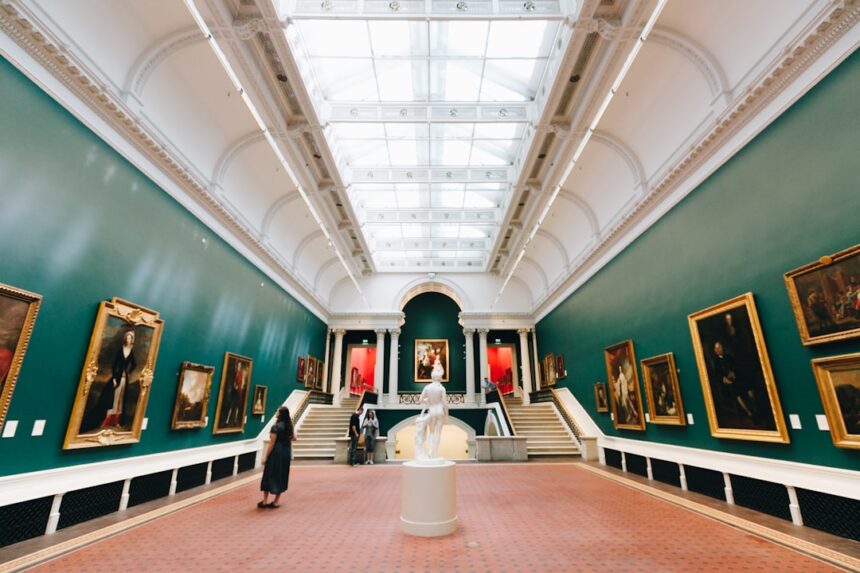
Museums organise attention. Before a visitor has read a label or formed an opinion, somebody has already decided what enters the room, what sits beside it, how it is lit and what story surrounds it.
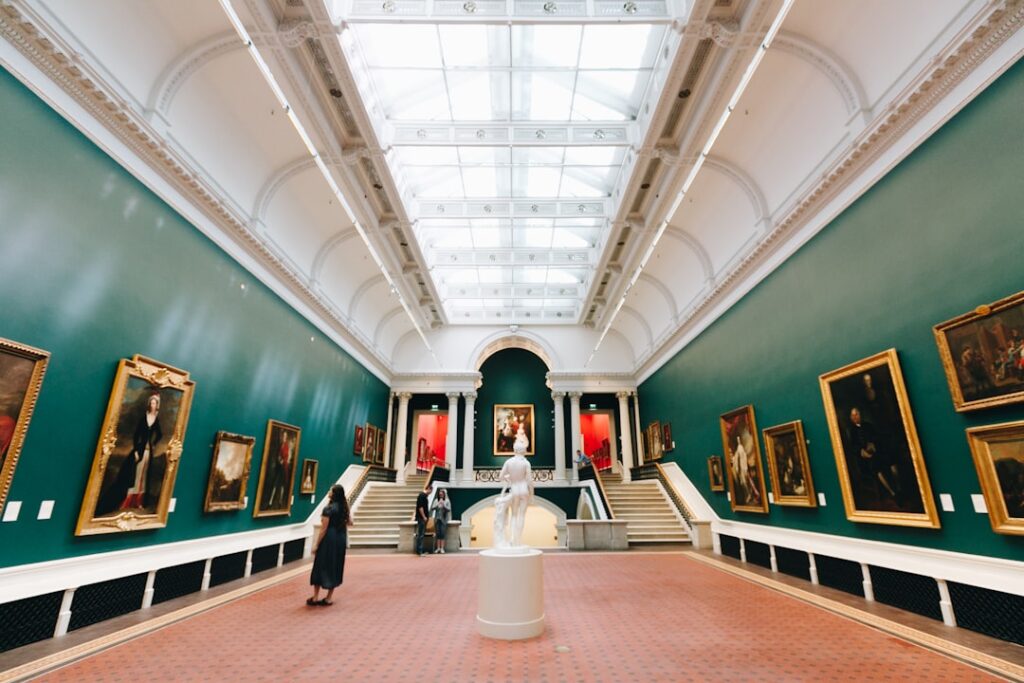
That does not make museums manipulative. It makes them interpretive. Collections are never neutral piles of objects, and visitors are not passive recipients of meaning. The interesting part begins in the gap between what an institution presents and what a person notices.
Objects Need Context
A fragment of pottery, a scientific instrument or a portrait can look self-explanatory until the questions begin. Who made it? Who used it? How did it enter the collection? What has been left out of the label?
Good museum interpretation does not eliminate those questions. It gives visitors enough context to ask better ones.
Curiosity Is Not the Same as Reverence
Museums are often described in language that makes them sound almost sacred: temples of knowledge, sanctuaries of culture, storehouses of civilisation. That language can obscure the ordinary experience of visiting one. People get tired. They skip rooms. They disagree with labels. Sometimes one object stays with them and an entire gallery does not.
Oxford’s museums are particularly useful examples because university collections sit at the intersection of research, teaching and public access. The University of Oxford’s Gardens, Libraries and Museums network shows how these institutions operate across those different roles.
Museums Also Have to Explain Themselves
Questions about provenance, collecting practices and representation have become more visible in recent years. That is not a distraction from museum culture. It is part of it. Institutions that preserve the past are also accountable for explaining how collections were formed.
This makes museum-going less comfortable in a useful way. A visitor can admire an object and still ask how it arrived there. Those responses can coexist.
A Visit Can Remain Incomplete
There is no requirement to leave a museum with a complete understanding of its collection. Most visits are partial. We remember a room, a detail, a question or even something we misunderstood at first.
That incompleteness may be one of the reasons museums continue to work. They do not simply preserve answers. At their best, they preserve reasons to look again.