






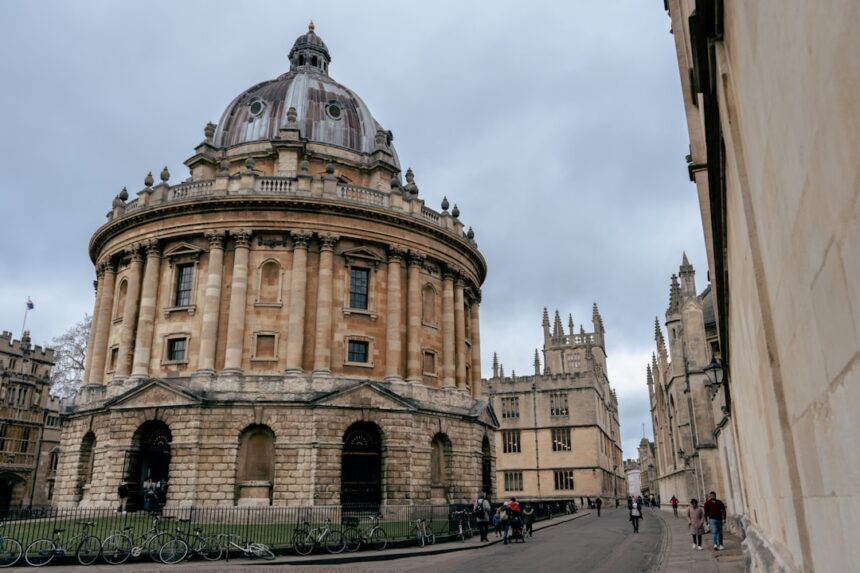
Oxford’s architecture is often described through its most recognisable silhouettes, but memory usually attaches itself to smaller things: a staircase used every day, a narrow passage, a worn doorway, a view across a quadrangle. Buildings become memorable not only because they are old, but because people keep using them.
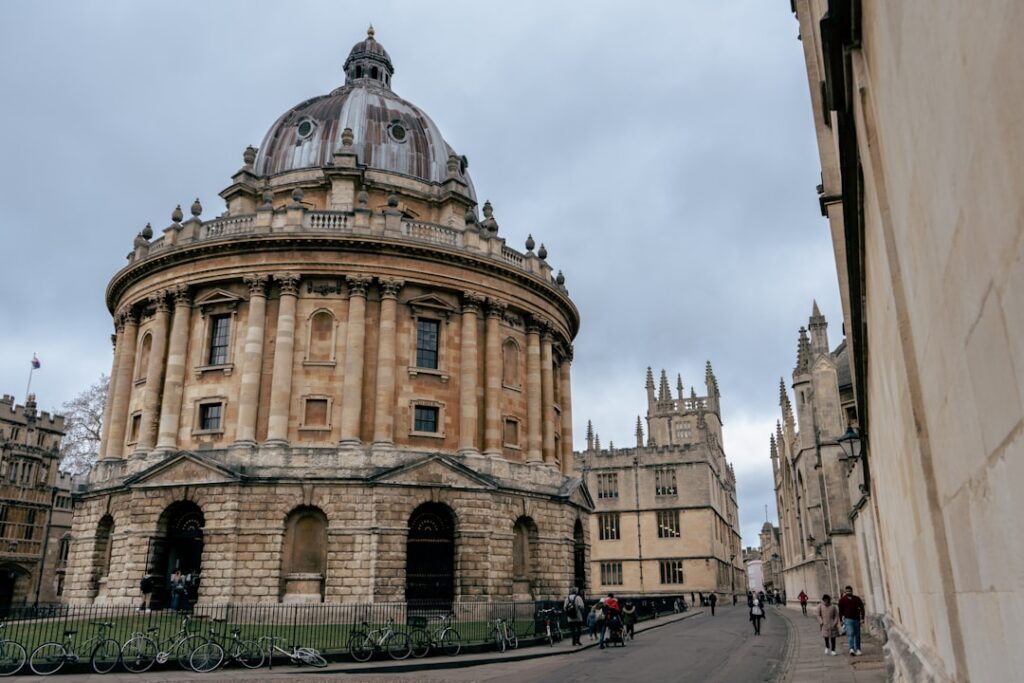
Old Buildings, New Uses
One of Oxford’s defining features is that historic structures are not sealed away from daily life. Colleges, libraries and halls continue to be used, adapted and argued over. That continuity gives architecture a different kind of presence.
Preservation does not mean freezing a building in time. It means deciding what can change without losing the qualities that make the place legible. Those decisions are rarely simple.
Memory Lives in Repetition
A place becomes familiar through repetition. The route to a lecture. The same archway in winter and summer. A stone step worn by thousands of people before you. These experiences are ordinary, but they are how the built environment enters personal memory.
A Living City, Not a Museum Set
Oxford’s architectural identity can be over-romanticised. The city is not only colleges and famous landmarks; it is also housing, shops, roads, modern extensions and buildings that serve practical needs. The tension between preservation and adaptation is part of the city’s character, not a flaw in it.
Organisations such as Oxford Preservation Trust make that tension visible by focusing on the city’s built environment and how it changes over time.
Memory, in this sense, is not stored inside stone. It is produced by people continuing to use the same places differently.