




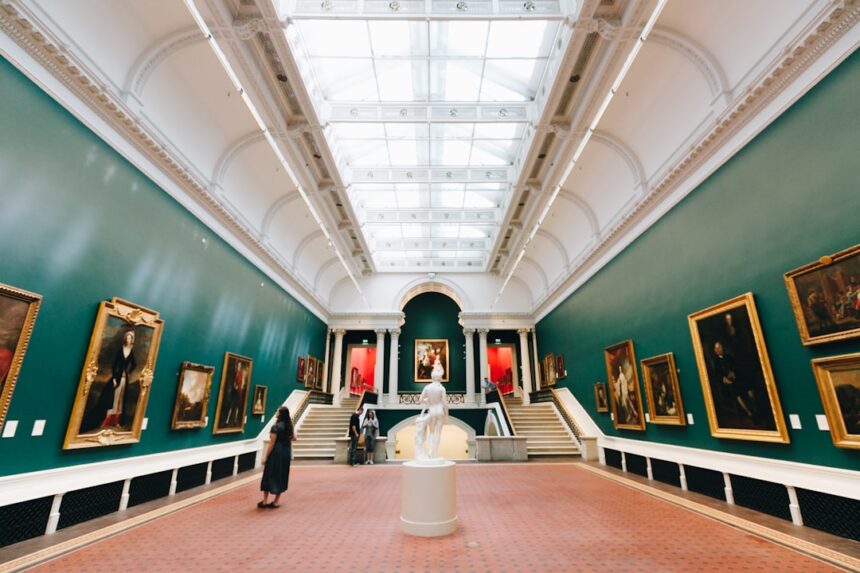
Museum culture serves as the foundation for how we engage with history, memory, and the shared intellectual identity of our modern societies. In cities defined by academic rigour and long-standing traditions, such as Oxford, these institutions operate as more than mere repositories for artefacts. They function as living, breathing environments where public curiosity is nurtured and historical narratives are curated for contemporary discourse. When we step into a gallery or a collection, we are not just observing objects; we are participating in a structured dialogue with the past, attempting to reconcile where we have been with the rapid shifts defining our present era.
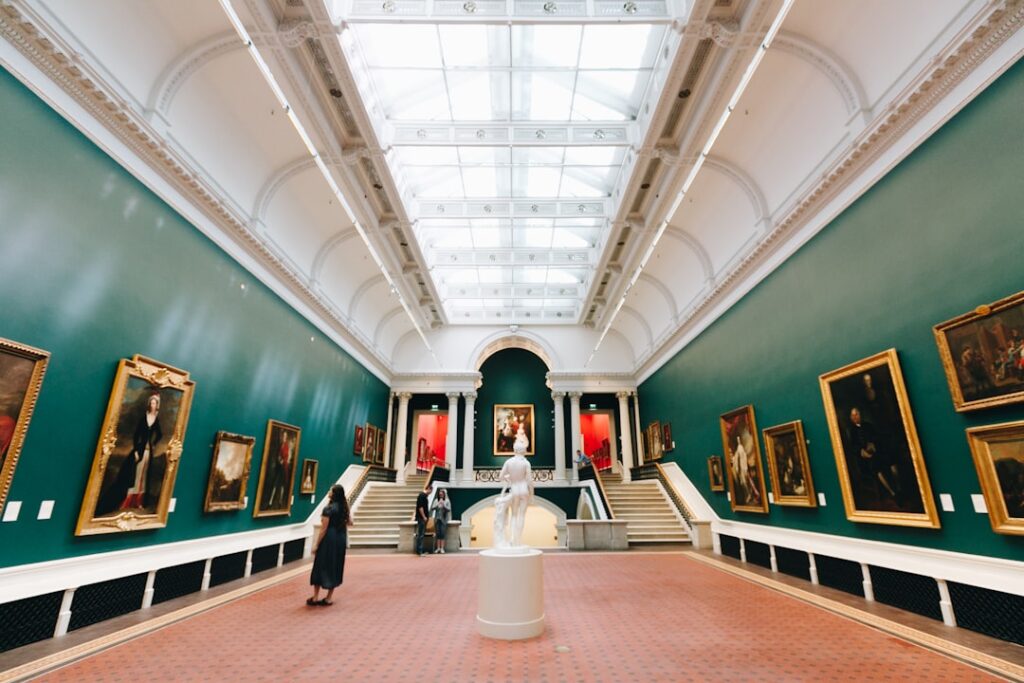
The role of the museum in fostering public curiosity is multifaceted. At its core, it offers a physical space for contemplation—a reprieve from the constant noise of digital life. Here, the curation of items, whether archaeological fragments or contemporary art installations, prompts us to ask questions about our own existence. By providing a tangible connection to craftsmanship, ideology, and lost civilisations, these spaces transform abstract knowledge into an experience. Visitors who explore the best museums in Oxford often find that the architecture and the silence surrounding the exhibits are just as informative as the descriptions provided on the placards.
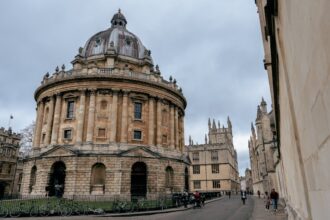
Memory, in the context of museum culture, is a curated act. Institutions choose which histories to highlight and which to leave in the shadows, making them powerful arbiters of collective consciousness. This process of selection is inherently reflective of the society that builds them. For instance, when we consider Oxford architecture and the memory of place, we recognise that the physical environment acts as a permanent record. Museums amplify this effect by bringing specific fragments of this memory to the forefront, allowing citizens and students alike to examine the layers of intellectual progress and social change that have shaped the environment around them over centuries.
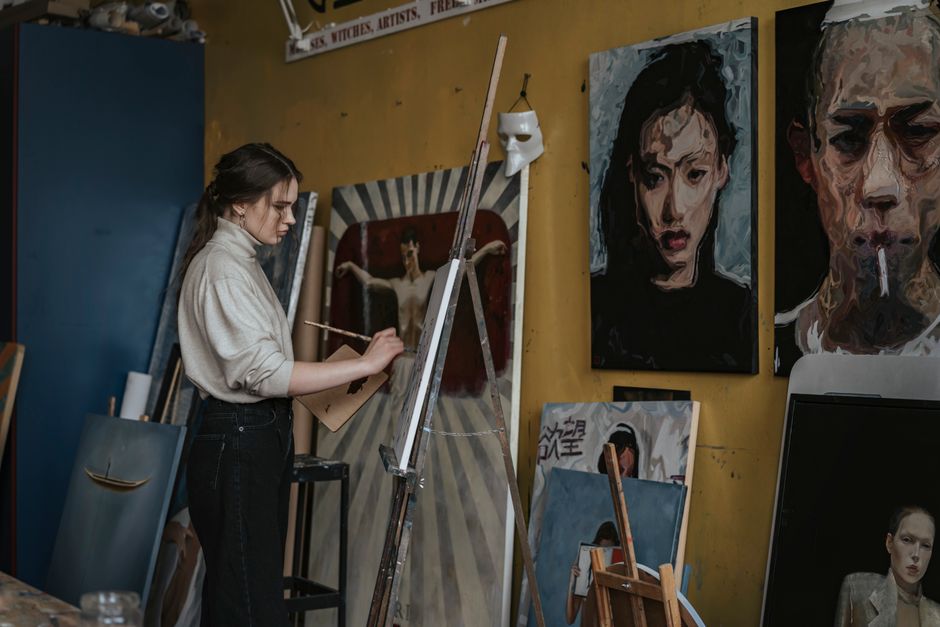
Shared cultural experience is arguably the most significant contribution museums make to public life. In a world increasingly fragmented by individual preferences and niche social circles, museums remain one of the few truly accessible, public spaces where people from disparate backgrounds converge. This collective engagement turns a solitary visit into a social phenomenon. We see this influence extending into the wider local scene, as Oxford art galleries and the city’s creative life demonstrate how public appreciation for aesthetics and research can energise a community. The museum, therefore, becomes a hub for shared discovery, where the act of learning is inherently communal.
The evolution of this culture is also evident in how museums are adapting their methodologies. Modern curation increasingly leans toward interactive storytelling and inclusivity, moving away from the static, untouchable displays of the Victorian era. This shift encourages visitors to interrogate the provenance of objects and the ethics of how they were acquired. This level of intellectual engagement transforms the visitor from a passive spectator into an active thinker. By questioning the narrative presented, the public exercises a form of curiosity that is vital to maintaining a healthy democratic culture, one that values critical thought over simple consumption of information.
Furthermore, museums provide an essential anchor for wellbeing. The quiet, disciplined atmosphere of a museum encourages a state of mindfulness that is difficult to replicate in other public settings. This focus on deep observation allows for a psychological decompression, where the overwhelming speed of modern life is slowed down to the pace of an artefact’s timeline. In this space, the visitor is encouraged to consider the continuity of human experience—the realisation that our current struggles, joys, and innovations are merely new chapters in a very long, interconnected story.
Ultimately, sustaining a healthy museum culture requires ongoing support and active participation from the public. These institutions are not just relics to be preserved; they are vital organisms that rely on the curiosity of the community to remain relevant. When we invest our time and attention in these spaces, we are not only preserving history; we are ensuring that the capacity for wonder and intellectual exploration remains central to our collective identity. As long as we continue to value the physical presence of history, museums will remain the sanctuaries where human curiosity finds its most profound expression, bridging the gap between our ancestors’ achievements and our own uncertain future.
References
Oxford Social. (2024). Best Museums in Oxford for Curious Visitors. Available at: https://oxfordsocial.co.uk/best-museums-in-oxford-for-curious-visitors/
Oxford Social. (2024). Oxford Architecture and the Memory of Place. Available at: https://oxfordsocial.co.uk/oxford-architecture-and-the-memory-of-place/
Oxford Social. (2024). Oxford Art Galleries and the City’s Creative Life. Available at: https://oxfordsocial.co.uk/oxford-art-galleries-and-the-citys-creative-life/