






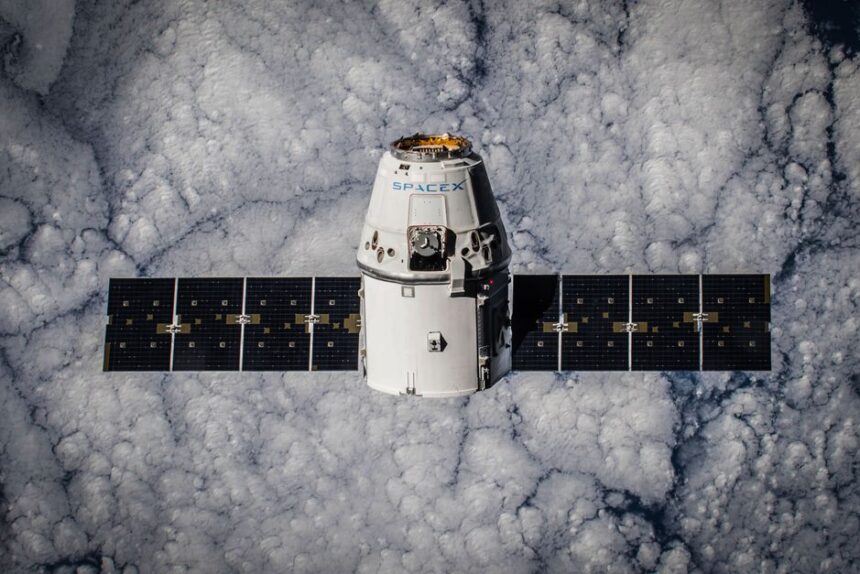
After spending eight months aboard the International Space Station (ISS), a joint crew of American and Russian space travelers returned to Earth this Sunday. Their capsule touched down safely in the expansive steppes of Kazakhstan, marking the end of a mission that highlights both the endurance of the human spirit and the continued necessity of international cooperation in orbit.
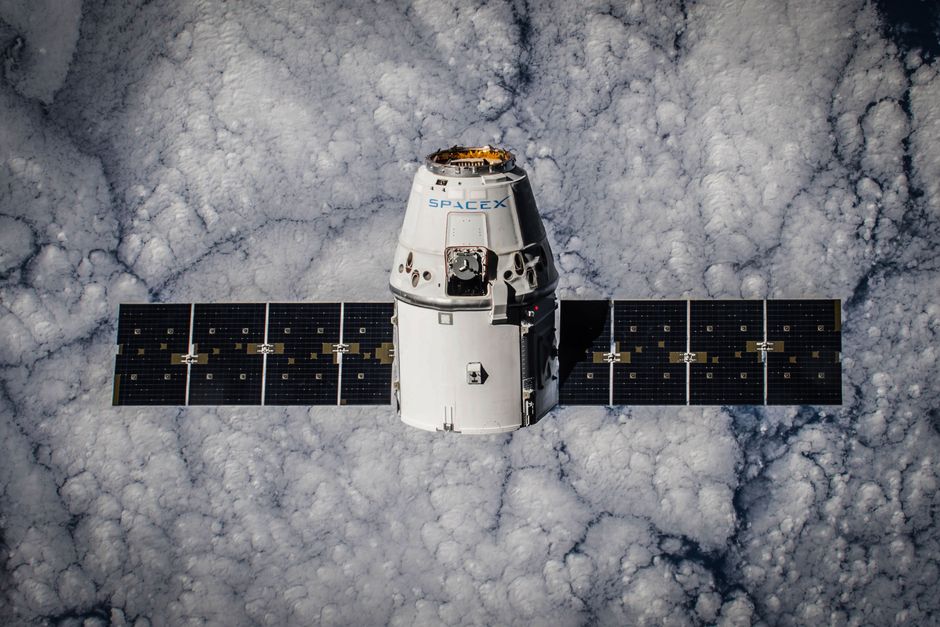
The return from space is never a simple transition. For the crew, the eight-month stint involved navigating the complexities of microgravity, confined living quarters, and a rigorous schedule of scientific experiments. Beyond the technical challenges, the duration of the mission speaks to the psychological resilience required of those who live and work in the isolated environment of the ISS. As they adjust back to the pull of Earth’s gravity, the physical and mental shift from a high-stakes orbital laboratory to everyday life begins.
The success of this mission underscores the unique role the ISS plays in the modern world. Despite geopolitical tensions on the ground, the station remains a rare outpost of collaboration. This ongoing partnership serves as a practical example of how science and society can find common ground through shared discovery and the pursuit of knowledge that transcends borders.
For those of us watching from the ground, these landings offer a moment of reflection on the scale of human achievement. Translating the technical data and daily routines of astronauts into a narrative that resonates with the general public is an essential part of science communication. It helps bridge the gap between complex orbital mechanics and our collective fascination with exploration.
As the crew begins their recovery and debriefing processes, the data collected during their stay will contribute to our understanding of how long-term spaceflight affects the human body and mind. These insights are crucial for future missions to the Moon and beyond. Furthermore, the safe homecoming of such a diverse crew continues to fuel public curiosity about the frontiers of science and the potential for future life among the stars.
In an age where technology often feels isolating, the shared journey of these individuals reminds us of the profound connections that emerge when we work toward a common goal. Their eight months in space may have concluded, but the intellectual and scientific impact of their mission will likely be felt for years to come.