





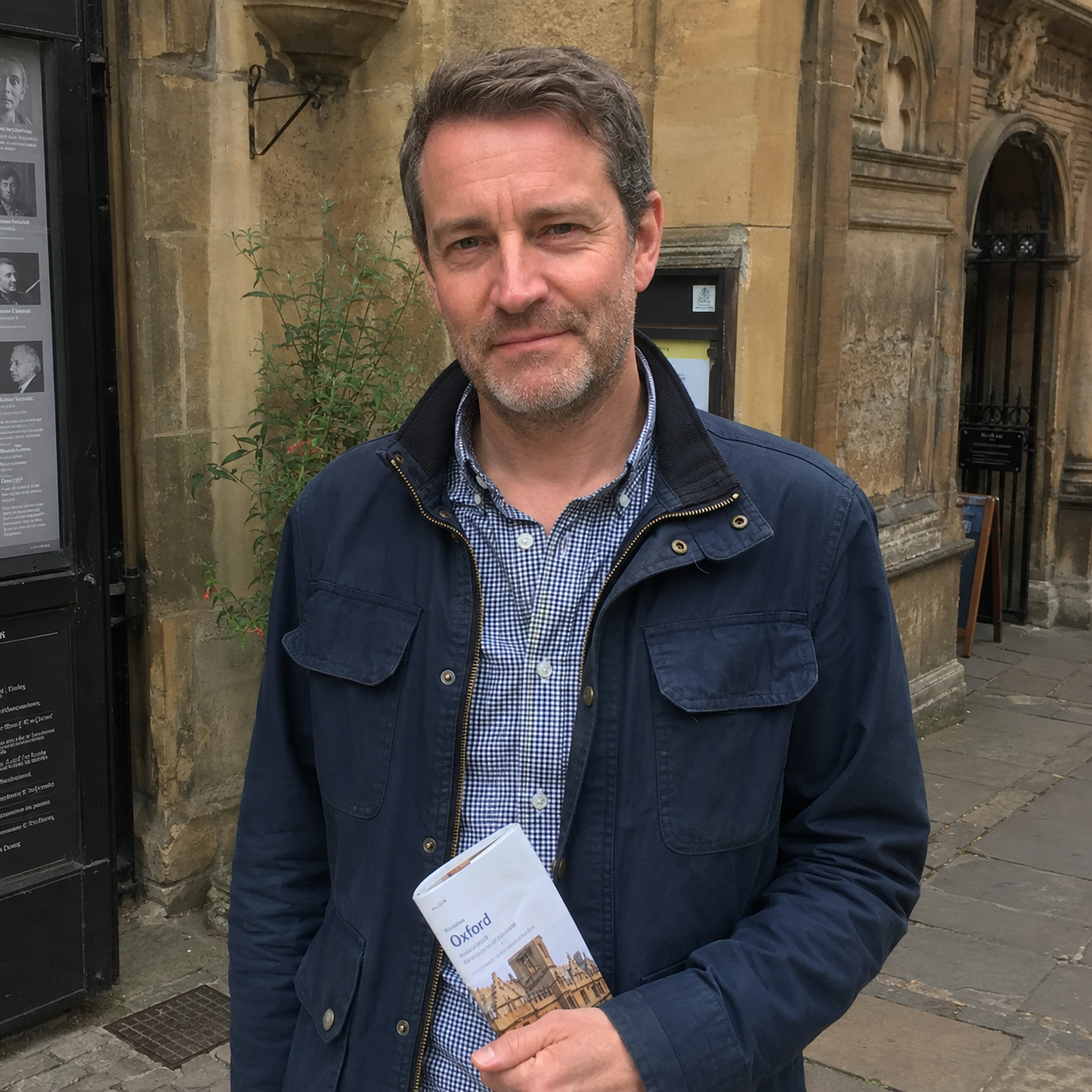
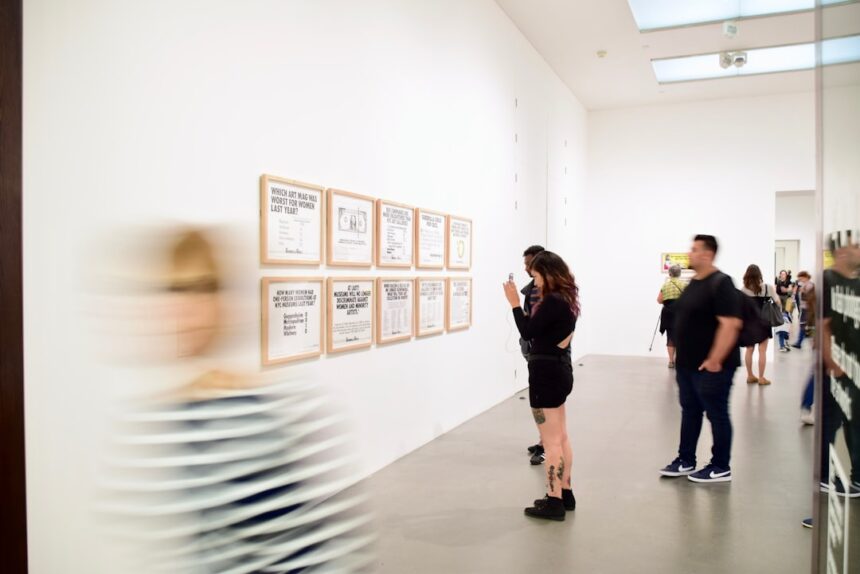
Museum learning acts as a vital bridge between the preservation of human history and the evolving intellectual requirements of modern society. In a city like Oxford, where the boundaries between academic institutions and public spaces are frequently porous, museums function not merely as galleries for artefacts but as dynamic environments for continuous education. Whether one is a curious student, a researcher exploring primary sources, or a family seeking an afternoon of discovery, these spaces offer a depth of engagement that digital media often fails to replicate.
For students, the experience of engaging with physical objects provides a cognitive link to the past that textbooks simply cannot match. When a student stands before an instrument from the Renaissance or an ancient fossil, the abstract nature of history crystallises into a tangible reality. This mode of learning encourages critical thinking and observation, skills that are essential in both academic research and professional life. By integrating these spaces into their routine, students cultivate a sense of historical context that grounds their modern studies.
Families often find that museum environments serve as unique classrooms outside the traditional school setting. Parents and children can navigate exhibits together, posing questions that lead to unplanned, interdisciplinary discussions. This informal pedagogy is arguably one of the most effective ways to nurture a lifelong habit of inquiry. When children observe their parents engaging with exhibits—reading labels, asking questions, and discussing significance—they internalise the idea that learning is a voluntary and rewarding human activity, rather than a task reserved strictly for the classroom.
Researchers, on the other hand, view these spaces as repositories of essential data. For many scholars, the museum is a laboratory where the study of material culture informs broader theories in sociology, anthropology, and history. The quiet corridors and archival rooms of institutions, such as those documenting science museums, provide the necessary atmosphere for deep concentration. This rigorous intellectual engagement is what allows the public to benefit from the ongoing advancements in academic research, as discoveries made within these walls eventually trickle down into public exhibitions.
The role of the museum in contemporary intellectual life cannot be overstated, especially when we consider how we interact with scientific progress. As noted in broader discussions regarding science and society, the bridge between complex innovation and public accessibility is fragile. Museums maintain this bridge by simplifying intricate subjects without stripping them of their nuance. They translate the work of experts into stories that resonate with general readers, ensuring that scientific literacy remains a shared goal rather than an exclusive privilege of the ivory tower.
To maximise the benefits of this form of learning, visitors should consider a few approaches to their time spent in such spaces:
- Focus on depth over breadth: Rather than trying to see every item, choose one gallery or exhibit to understand in detail.
- Utilise provided resources: Many institutions offer guides, curator talks, or digital resources that provide historical context for the displayed items.
- Participate in community programmes: Look for workshops or evening events that invite members of the public to interact with guest lecturers and researchers.
- Practice observation: Instead of rushing past exhibits, spend a few minutes identifying the materials, craftsmanship, and potential purpose of an object.
Furthermore, the physical structure of these institutions plays a significant role in how knowledge is disseminated. Architecture influences the pace of the visitor, with grand halls encouraging a sense of awe, while smaller, intimate galleries promote reflection. This spatial design is intentional, guiding the user through a narrative that is meticulously curated to foster curiosity. When we step inside a museum, we are entering a carefully constructed intellectual environment designed to provoke questions about the world, our place within it, and the history that preceded us.
Effective science communication serves as the backbone of modern museum experiences. When galleries successfully explain complex ideas, they empower the public to engage with contemporary issues—ranging from climate patterns to ethical dilemmas in technology—with a clearer understanding. This sense of empowerment is what keeps communities returning to these institutions. By investing time in museum learning, visitors contribute to a culture that values evidence, historical preservation, and the collective pursuit of knowledge.
Ultimately, the vitality of a city depends on how its inhabitants engage with its institutions. Oxford stands as a unique example of a place where the pursuit of learning is not confined to the university, but is embedded in the public experience of the city’s museums. By embracing these spaces, residents and visitors alike keep the tradition of public intellectual life alive and relevant for future generations. The museum remains, as it has always been, a sanctuary for the curious mind.