




Oxford Architecture is not merely a collection of aesthetic monuments; it is a profound repository of intellectual life, academic tradition, and the evolving spirit of a city that refuses to be static. Walking through the limestone corridors of the university or the winding medieval lanes of the city centre, one finds that the buildings serve as active participants in our daily rhythm. Unlike cities that treat their historical core as a museum piece, Oxford operates through a delicate synthesis of antiquity and modern utility, where students and researchers interact with structures that have stood for centuries, thereby embedding memory into the very physical fabric of the environment.
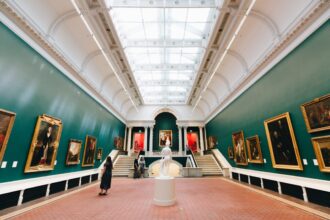
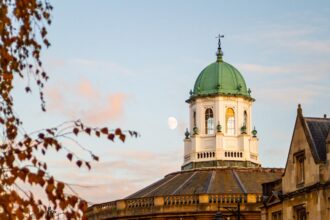
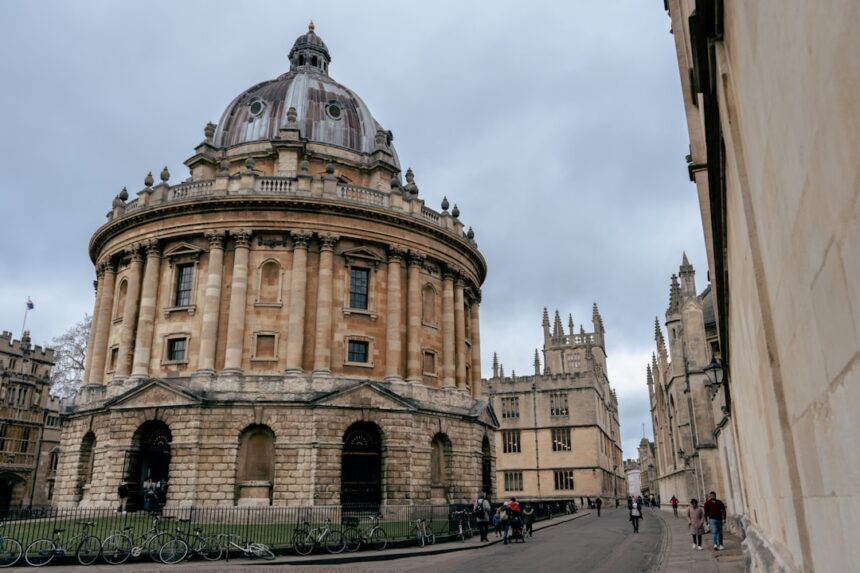
The city’s architectural identity is famously characterized by the iconic “dreaming spires,” yet the true resonance of its design lies in the relationship between enclosed academic sanctity and the porous nature of its public spaces. From the Radcliffe Camera’s circular dominance to the humble, weather-worn facades of lesser-known colleges, each structure suggests a specific way of engaging with the world. This dialogue between the individual and the built environment is a cornerstone of the Oxford experience, influencing everything from private study to the public discourse held within the best museums in Oxford for curious visitors. When we inhabit these spaces, we are not just occupying physical volume; we are participating in a multi-generational exchange of ideas.
The Geometry of Intellectual Life
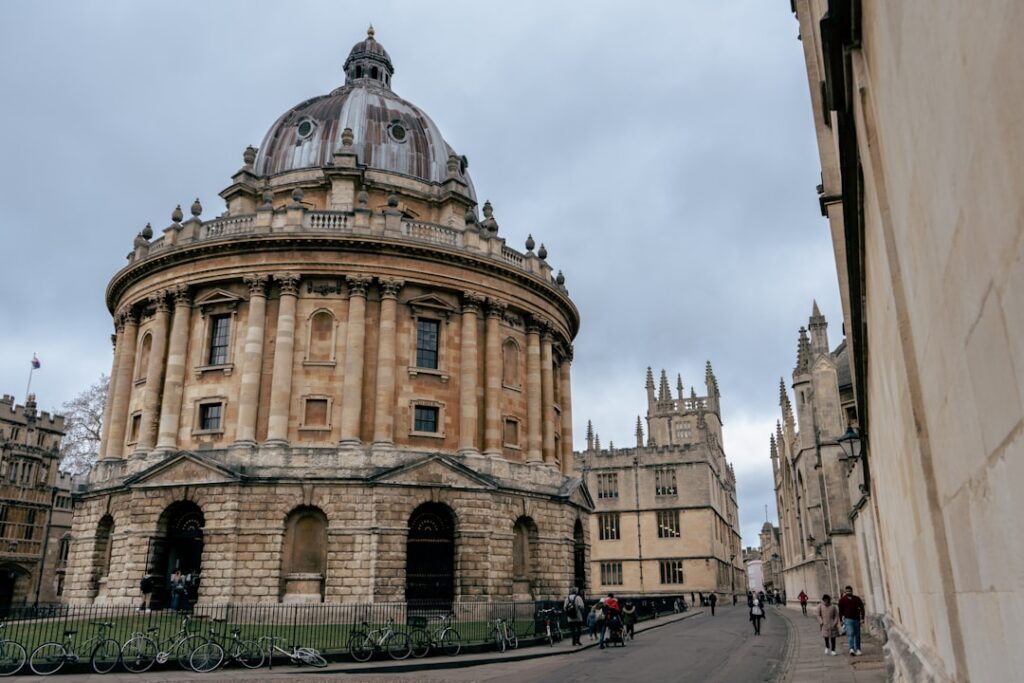
Architecture in Oxford acts as a silent pedagogical tool. The layout of the older colleges—organized around central quadrangles—creates an inward-looking intensity that fosters community while simultaneously providing a buffer against the external noise of the modern world. This design serves to delineate the boundary between the private, contemplative life of the scholar and the bustling, commercial vitality of the city outside the gates. Yet, this boundary is rarely absolute. The permeability of these spaces is maintained by the way citizens and visitors alike traverse the city, moving through courtyards and cloisters that act as thoroughfares, bridging the gap between historical preservation and contemporary social existence.
The importance of these public thoroughfares cannot be overstated. They allow for the integration of architecture into the collective consciousness of the local populace. It is within these stone-walled corridors that we witness the overlap of diverse academic disciplines. For instance, the transition from a quiet library reading room to the vibrancy of a local thoroughfare is a microcosm of the intellectual life of the city, where formal learning is constantly disrupted and enriched by the spontaneous interactions of a shared public life. Such spatial dynamism is central to how we think about urban health and mental well-being within the university town context.
Beyond the Spires: The Cultural Fabric
While the heavy, gothic stone often dominates our perception of the city, the modern intellectual life of the region is equally represented by interventions that challenge traditional aesthetics. Contemporary additions to the city, whether through campus expansions or renovations of older institutions, have prompted a necessary debate about how we define heritage. The memory of a place is not solely found in its oldest walls but in the layers of adaptation that occur over time. Architecture is, therefore, a dynamic process rather than a static achievement.
This evolving nature of our city is often mirrored in its cultural output. Just as the buildings change, so too does the intellectual energy of the people who move through them. When exploring the intersections of visual art and design, one often finds reflections of this spatial complexity, much like the depth found in Oxford art galleries and the city’s creative life. The visual language of the city—its textures, light, and proportions—informs the way we produce and consume culture. A structure that imposes a sense of grandeur influences the gravity of the discussions held within it, just as a small, intimate performance space shapes the nuances of an intimate exchange during an evening at the theatre, reminiscent of the energy found within the Oxford theatre scene and local performance culture.
Preservation and the Living City
The challenge of modern Oxford lies in maintaining this balance between the preservation of architectural heritage and the evolving needs of a diverse, global community. We must view these buildings not as static artifacts but as vessels for future memory. To appreciate the architecture is to engage with the city’s capacity to reinvent itself while honoring the foundations of its past. When we advocate for the protection of a particular public square or a historic building, we are, in essence, advocating for the continuity of the intellectual and social memories embedded within those stones.
In our engagement with the built environment, we must remain observant of how these physical spaces dictate the tempo of our lives. The weight of history, felt through the masonry of the Bodleian or the courtyards of Christ Church, is softened by the presence of modern inhabitants who bring their own questions and aspirations to the city. Ultimately, the memory of place is a collaborative project. It is written by the architect, maintained by the preservationist, and continuously rewritten by those of us who walk these streets, sit in these libraries, and participate in the ongoing discourse of modern life. Oxford remains a singular example of how architecture can provide both a grounding presence and a persistent prompt for intellectual growth, ensuring that the legacy of the past remains relevant to the urgent inquiries of the present.