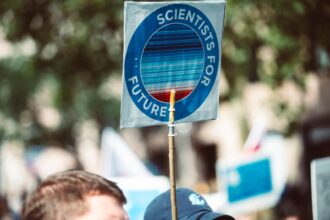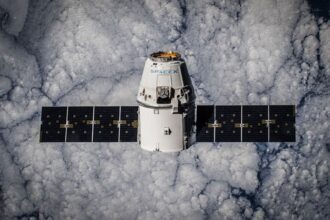






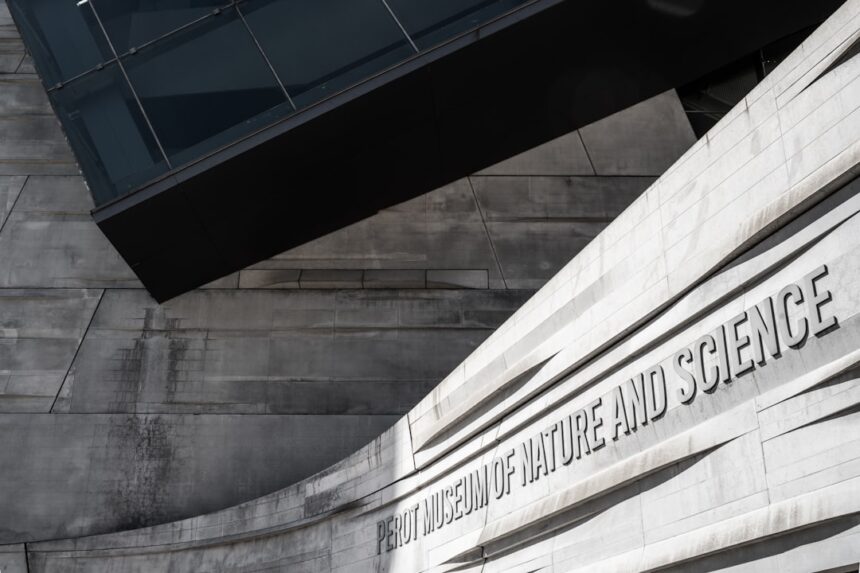
Science and Society operate in a symbiotic, albeit complex, relationship that defines the contours of modern existence. In an era where information is both abundant and rapidly evolving, the translation of scientific research into public discourse is more significant than ever. This bridge between academic inquiry and general understanding informs not only policy and national strategy but also the quieter, more personal fabric of our daily decision-making processes. As we navigate a world increasingly shaped by technology and empirical discovery, understanding the mechanisms through which scientific ideas permeate our social fabric is essential for informed citizenship and intellectual growth.
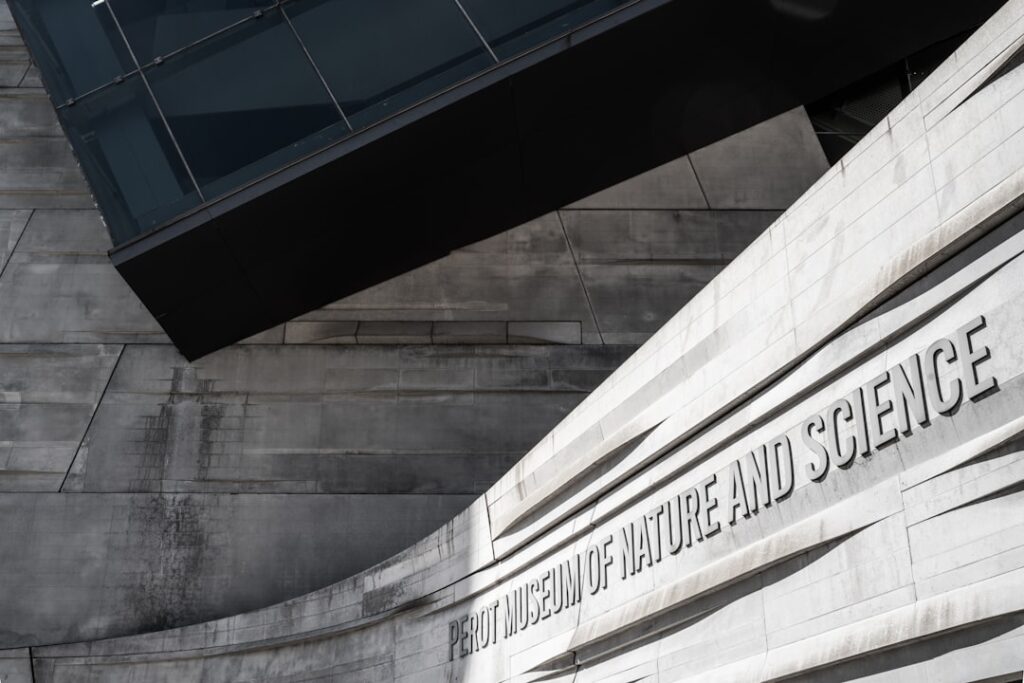
The journey from a laboratory finding to a public consensus is rarely linear. It involves a series of filters, translations, and reinterpretations. When researchers conduct a study, the results are often embedded in technical language intended for peer review. To influence society, these findings must undergo a transformation that maintains integrity while gaining clarity. This process is essentially one of communication, where museums, journalism, and academic outreach programs play pivotal roles. Engaging with local institutions, such as science museums, provides a physical space where abstract concepts become tangible, allowing individuals to interact with history and discovery in a non-threatening, educational environment.
Education acts as the primary conduit for this flow. By integrating scientific literacy into the classroom, we do more than teach facts; we cultivate a mindset that values skepticism, evidence, and critical evaluation. This form of education is not merely about memorizing the laws of physics or biological classifications; it is about learning how to evaluate competing claims. In public debate, this skill set is invaluable. When complex topics—such as climate change, public health initiatives, or advancements in artificial intelligence—are introduced into the mainstream, citizens equipped with scientific literacy are better positioned to discern quality information from conjecture.
Furthermore, the impact of research on everyday decision-making is profound. We often consider scientific evidence when selecting diets, choosing medical treatments, or assessing environmental risks. For instance, when analyzing global shifts in temperature, such as those highlighted in reports on how a heat wave smashes records, the public is forced to integrate scientific data into their immediate lifestyle choices. These decisions range from infrastructure investments on a societal level to individual modifications in how we conserve energy or manage heat exposure. The science does not remain in the journal; it dictates the air conditioning settings, the architecture of our homes, and the policies that govern urban planning.
The role of communication experts is central to this dynamic. Successful science communication bridges the gap between those producing knowledge and those who need to utilize it. When communication is clear, it fosters trust. Conversely, when there is a disconnect, it invites misinformation. Effective science communication prioritizes accessibility without sacrificing nuance. It acknowledges that society is not a passive recipient of data but an active participant that weighs scientific findings against cultural values, economic realities, and personal ethics. This tension is where public debate thrives, often leading to more robust, if occasionally heated, democratic deliberation.
However, we must also consider the limits of this influence. Science provides the “how” and the “what,” but it does not always dictate the “should.” The ethical implications of scientific progress require a broader social dialogue that includes philosophers, historians, policymakers, and the general public. When we look at issues like genetic engineering or digital surveillance, the science is clear on the capabilities, but society must determine the boundaries. This is where the intellectual life of a community becomes vital. By engaging in deep, thoughtful discussion about the role of technology and research in our lives, we ensure that science serves our common interests rather than simply dictating our trajectory.
This engagement is a lifelong endeavor. It requires us to maintain curiosity, stay informed, and challenge our own biases. As the landscape of modern life continues to shift, our reliance on the scientific method remains our most reliable tool for navigating uncertainty. Whether we are assessing the merits of a new health guideline or evaluating the long-term impacts of climate change, the interplay between research and public understanding will continue to be the cornerstone of progress. By valuing this interaction, we create a more resilient, informed, and thoughtful society.
In conclusion, the intersection of scientific discovery and social life is an ongoing conversation. It is a process of learning, applying, and questioning. By fostering spaces for dialogue—both within our educational systems and through broader public engagement—we strengthen the link between the rigor of the laboratory and the realities of modern living. This bridge is the foundation upon which we build a future that is not only scientifically advanced but also socially responsible and deeply considered.
References:
Oxford Social (2026). Science Museums Oxford and Public Learning. Available at: https://oxfordsocial.co.uk/science-museums-oxford-and-public-learning/
Oxford Social (2026). Heat wave smashes records across central US. Available at: https://oxfordsocial.co.uk/heat-wave-smashes-records-across-central-us/
Oxford Social (2026). Science Communication and Public Understanding. Available at: https://oxfordsocial.co.uk/science-communication-and-public-understanding/