





Oxford Public Spaces represent the intersection where a world-class academic environment meets the daily rhythms of a working city. While the architectural splendor of the university’s private quads often attracts the most attention, the true character of the city is articulated in its shared environments. From the sprawling greenery of Port Meadow to the paved sanctity of Radcliffe Square, these areas function as the collective living rooms of the population. They are places where the “town and gown” distinction softens, allowing for a shared experience of urban life that is both intellectually stimulating and grounded in community heritage.
The Green Lungs of the City
In Oxford, the concept of a public park goes beyond simple recreation. The city’s green spaces are deeply historical and ecologically diverse, providing a necessary counterweight to the density of the medieval city center. University Parks, for instance, offers a curated landscape that serves as a backdrop for both formal cricket matches and informal afternoon strolls. It is a space where the rigorous demands of academic study are momentarily set aside for the simple pleasure of observing the seasonal changes of the River Cherwell.
Further west, Port Meadow offers a starkly different experience. As an ancient area of common land that has not been ploughed for at least a thousand years, it provides a sense of wildness that is rare in an English city. Here, the public space is not defined by fences or manicured flowerbeds but by the grazing cattle and the flooding of the Thames. This environment encourages a different kind of engagement with the city—one that is rugged, expansive, and deeply connected to the natural history of the region. Engaging with these landscapes and observing the city through various Oxford walking routes allows for a deeper understanding of how the city’s geography has shaped its social habits over centuries.
Intellectual Commons and Paved Squares
The heart of Oxford is characterized by its stone-paved squares and narrow lanes, which serve as the stage for the city’s intellectual life. Radcliffe Square is perhaps the most iconic of these. Surrounded by the Bodleian Library, All Souls College, and the University Church of St Mary the Virgin, the square is a pedestrianized haven. It is a place where the air feels heavy with history, yet it remains a functional part of the modern city. Students hurry across the cobbles to reach their next lecture, while residents find a moment of stillness on the surrounding benches.
These paved areas act as an intellectual commons. They facilitate the accidental encounters and brief conversations that are vital to a vibrant academic community. The lack of vehicular traffic in many of these central zones transforms the street into an extension of the library or the classroom. In these spaces, the architecture does not just serve as a visual landmark; it defines the acoustic and social atmosphere, encouraging a quieter, more reflective pace of life that is synonymous with the Oxford identity.
The Evolution of Streets and Commercial Spaces
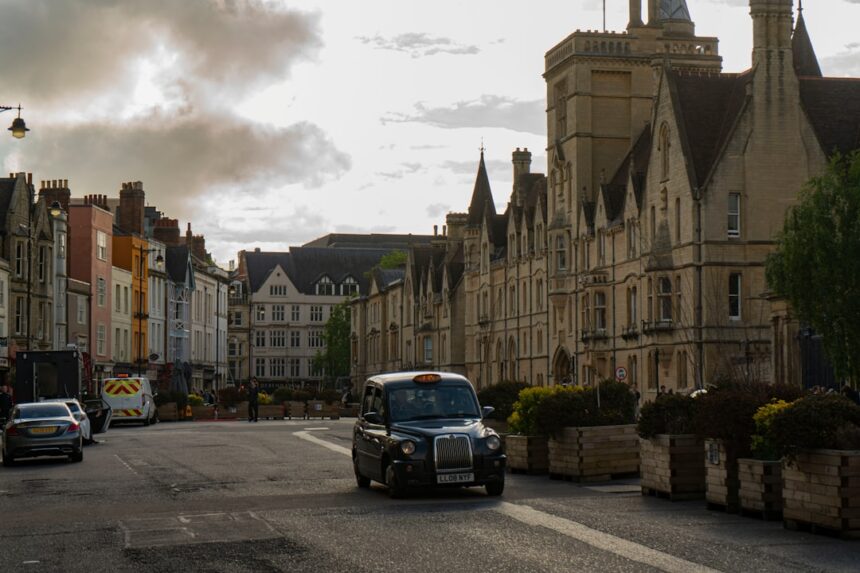
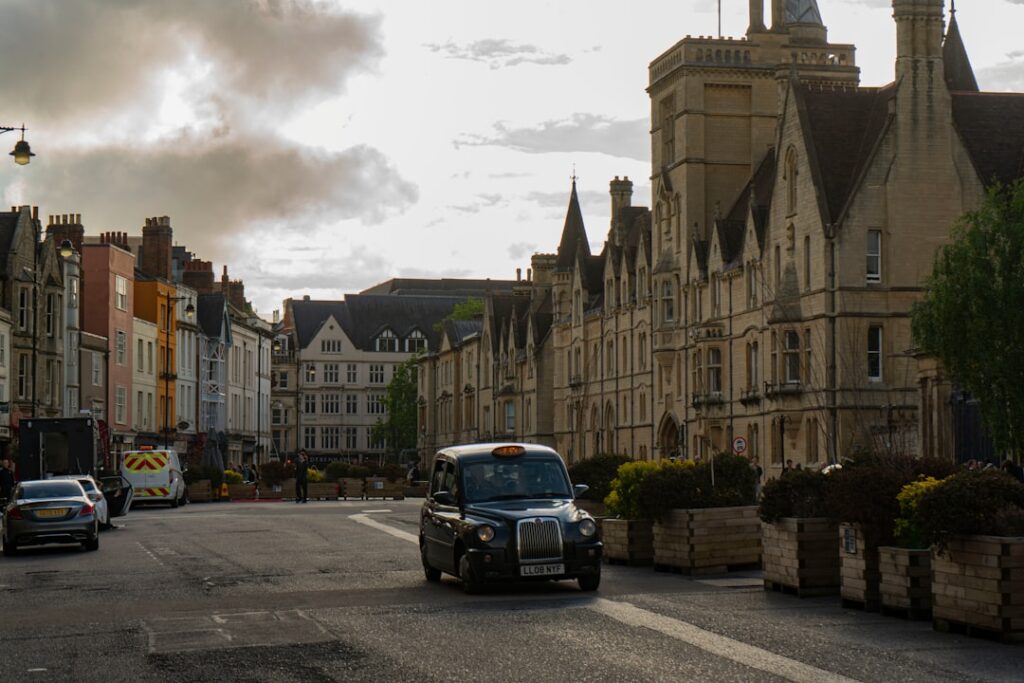
Public life in Oxford also manifests in its commercial thoroughfares, which have undergone significant changes in recent decades. The balance between heritage and modernity is most visible in areas like Broad Street and the High Street. While these streets are lined with historic structures, they are also the primary arteries for local transport and commerce. The tension between preserving the historical aesthetic and accommodating the needs of a growing population is a constant theme in the city’s urban planning.
Modern developments have also introduced new types of shared environments. The redevelopment of Westgate Oxford reflects a shift toward creating multi-functional spaces that blend retail with social leisure. These contemporary hubs provide weather-protected areas for the public to gather, contrasting with the traditional outdoor markets and high streets. While they represent a more commercialized form of public space, they remain essential for the city’s economic vitality and provide a different layer to the everyday urban experience for residents and visitors alike.
Cafés and the Third Place
Beyond the parks and squares, the “third place”—the social environment separate from the home and the workplace—is a cornerstone of Oxford culture. The city’s historic and contemporary cafés play a crucial role in this dynamic. A café in Oxford is rarely just a place to buy a beverage; it is a surrogate study, a meeting room, and a site of cultural exchange. These spaces bridge the gap between the private world of the colleges and the public world of the city.
The abundance of Oxford cafes provides a sanctuary for those looking to escape the isolation of digital work or the formality of a university library. The ritual of the coffee house, which has roots in the 17th-century intellectual circles of the city, continues to thrive. These establishments allow for a democratic form of public life where anyone can participate in the city’s intellectual atmosphere over a cup of tea. They are the small, warm nodes of a city that values thought and conversation as much as it values its physical monuments.
Ultimately, the vitality of Oxford lies in the health of its public realm. Whether it is the vast openness of the meadows or the intimate corners of a historic library, these spaces are where the city’s identity is continually negotiated and performed. By valuing and maintaining these diverse environments, Oxford ensures that its unique culture remains accessible to all who walk its streets.