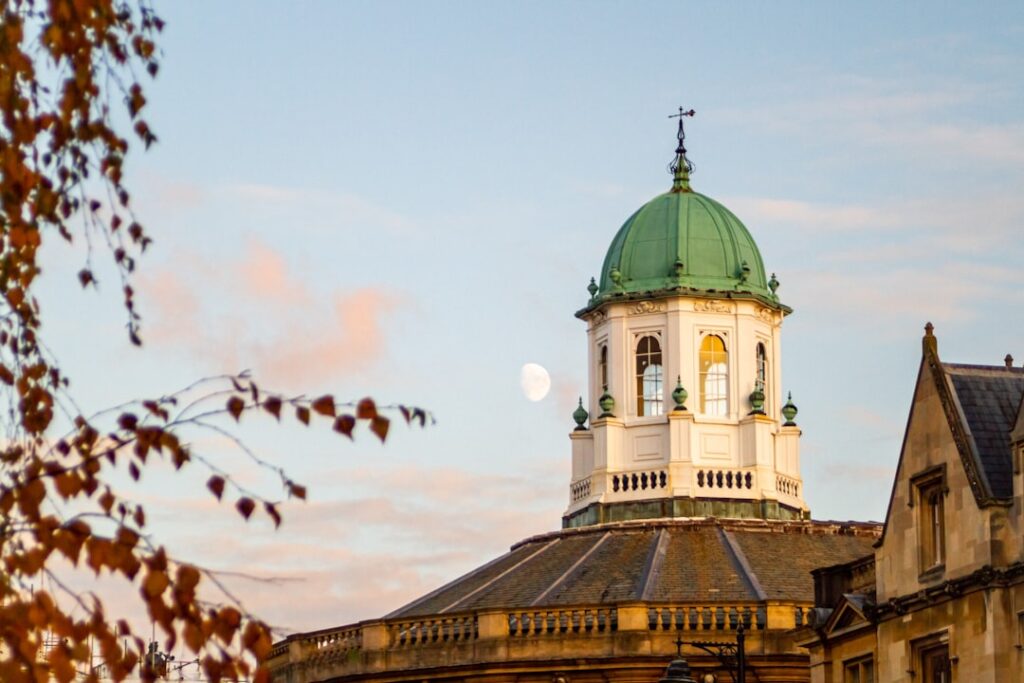






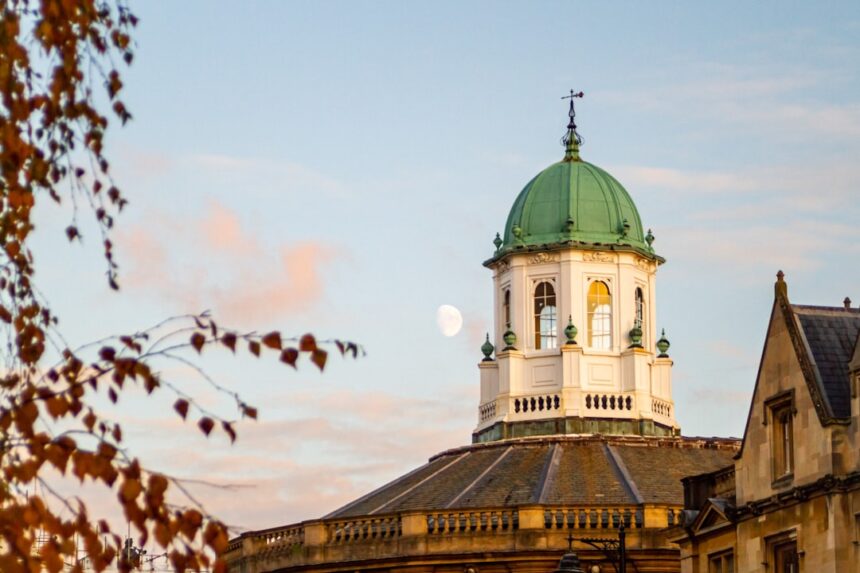
Oxford Theatre Scene is an intricate mosaic of historic legacy and contemporary experimentation, serving as a vital pulse within the city’s broader creative public life. While the world often views Oxford through the lens of its dreaming spires and ancient libraries, the performance culture here provides a necessary, living counterpoint to the weight of academia. It is a scene where professional excellence meets student audacity, and where the architecture of the past becomes a backdrop for the narratives of the present. This cultural landscape is not merely an entertainment sector; it is a space for public discourse, community gathering, and intellectual exploration.

The anchor of this theatrical world is undoubtedly the Oxford Playhouse. Established in its current location on Beaumont Street in 1938, the Playhouse has a pedigree that few regional theatres can match. It began as a laboratory for the Oxford Players and has since evolved into a premier venue that balances touring West End productions with locally produced works. The Playhouse is particularly significant for its commitment to intellectual curiosity, often hosting plays that grapple with complex social, political, and philosophical themes. This dedication to “thoughtful” theatre mirrors the city’s academic environment, ensuring that the stage remains a site of critical inquiry. For those who wish to see how this creative spirit manifests in other visual forms, exploring the various Oxford art galleries provides a complementary understanding of how the city interprets modern life through diverse media.
Parallel to the professional circuit is the vibrant and often unpredictable world of student drama. The Oxford University Dramatic Society (OUDS) and various college-based companies contribute a level of energy and risk-taking that is unique to this city. Student theatre in Oxford is famously the training ground for international stars of stage and screen, but its real value lies in its presence within the city’s public spaces. During the summer months, the college gardens become venues for “Garden Plays.” These outdoor performances—often Shakespearean or classical in nature—allow the public to enter typically private academic enclaves. The experience of watching a performance under a centuries-old cedar tree in a college quadrangle is a defining characteristic of the local performance culture, merging the city’s architectural heritage with the ephemeral nature of live art.
However, the Oxford Theatre Scene extends far beyond the traditional proscenium arch. The Arts at the Old Fire Station (AOFS) represents the more egalitarian and socially conscious side of the city’s creative life. This venue is unique in its partnership with Crisis, the national charity for people experiencing homelessness. By sharing a building and a mission, AOFS demonstrates that theatre can be an instrument of social cohesion and personal transformation. Its programming often leans toward the experimental, the intimate, and the avant-garde, providing a platform for emerging artists who might find the larger venues inaccessible. This commitment to inclusivity ensures that the city’s creative public life is not reserved solely for the university or the affluent, but is a shared resource for all residents.
In the north of the city, The North Wall Arts Centre continues this trend of blending community engagement with professional polish. Located in Summertown, it serves as a creative hub that feels distinct from the city centre’s historic gravity. The venue is known for its “Propeller” programme, which mentors young actors, directors, and technicians. This focus on the future of the craft ensures that the theatrical culture remains sustainable and forward-looking. The North Wall often hosts smaller, touring productions that might otherwise miss the city, enriching the local ecosystem with diverse voices and contemporary storytelling techniques. Much like visiting the best museums in Oxford, a trip to these peripheral venues reveals a city that is constantly curating its identity through both historical preservation and modern innovation.
The New Theatre on George Street provides the commercial weight necessary for a balanced cultural economy. As the city’s largest venue, it hosts major musicals, comedians, and musical acts, drawing large crowds that invigorate the local nighttime economy. While it may lack the intimate intellectualism of the Playhouse or the experimental edge of the Old Fire Station, its presence is crucial. It ensures that Oxford remains a destination for high-profile national tours, making the arts accessible to a broad demographic and ensuring that the “theatre-going habit” remains ingrained in the local lifestyle.
What truly defines the performance culture in Oxford is its ability to occupy the “interstitial spaces” of the city. Beyond the major venues, theatre happens in pubs, church basements, and public parks. This grassroots activity is what makes the city feel alive. It is a reminder that performance is a fundamental human activity—a way for a community to tell its own stories and process its shared experiences. Whether it is a hard-hitting fringe play at a local pub or a grand production at the Playhouse, theatre in Oxford serves as a bridge between the city’s rigorous intellectual traditions and the fluid, ever-changing nature of modern urban life.
As we look at the future of the Oxford Theatre Scene, the challenge remains to keep these spaces accessible in an increasingly expensive city. The survival of local performance culture depends on its ability to reflect the diversity of its population and to continue offering spaces where people can gather, reflect, and be challenged. In a digital age, the physical presence of the theatre—the shared breath of the audience and the actor—remains a powerful antidote to isolation and a cornerstone of a healthy, creative public life.