




Oxford Art Galleries and the City’s Creative Life

Thomas Avery
By
Thomas Avery
Thomas Avery is a cultural writer based in Oxford, with a background in local history, education writing, and museum interpretation. He studied History at the University...
Oxford Art Galleries and the City’s Creative Life

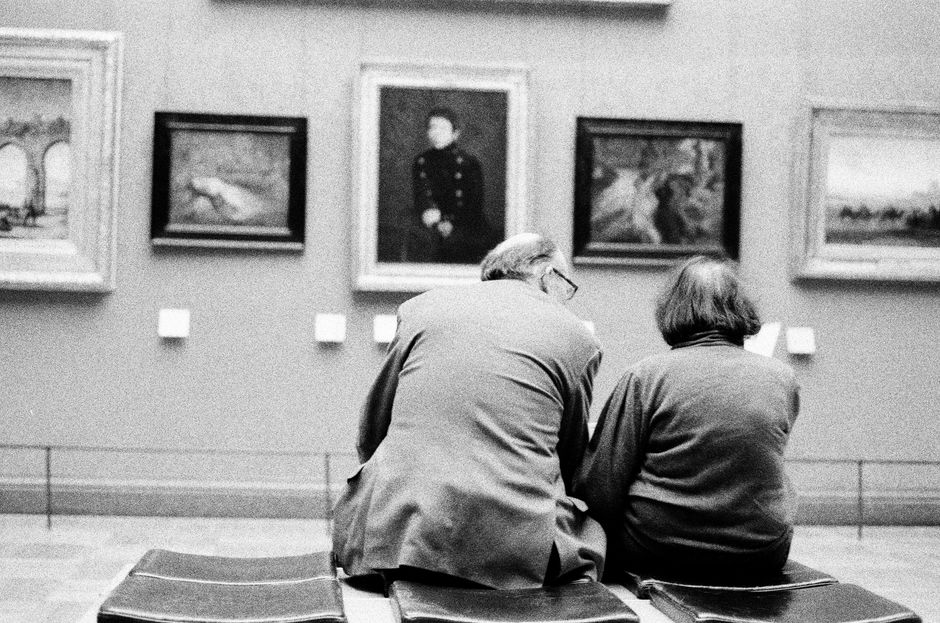
Oxford Art Galleries serve as vital conduits between the historic weight of the university and the evolving visual culture of modern society. While the city is frequently defined by its centuries-old stone spires and rigorous academic traditions, its gallery scene offers a different mode of engagement. Here, art is not merely an object for passive observation but a component of a wider dialogue concerning identity, history, and the human condition. Unlike larger metropolitan art hubs that prioritize spectacle, Oxford’s spaces often encourage a slower, more deliberate form of contemplation, mirroring the quiet intensity found within its library reading rooms and college quadrangles.

Oxford Art Galleries

The cultural ecosystem of Oxford is deeply influenced by the intersection of scholarly inquiry and artistic practice. For students, researchers, and residents alike, these spaces act as physical manifestations of intellectual curiosity. Visitors interested in how institutional collections intersect with contemporary narratives can explore the best museums in Oxford, where the curation often challenges visitors to rethink the relationship between classical artifacts and modern conceptual frameworks. This habit of critical viewing is essential to the city’s identity, ensuring that local art venues remain sites of rigorous discussion rather than simply display cases for aesthetic objects.

The physical layout of the city dictates how these galleries function within daily life. Many significant collections are housed within buildings that carry significant historical resonance, creating a poignant juxtaposition between the heritage of the architecture and the often radical nature of the works contained within. This tension is particularly evident in the way contemporary exhibitions are programmed. When artists choose to engage with these spaces, they are often in conversation with the centuries of thought that preceded them. This does not imply that the work must be academic; rather, it suggests that the environment demands a high level of intentionality from the artist and the curator.

Modern artistic expression within these walls often touches upon deeply personal and psychological themes. For example, contemporary works that examine internal states or subconscious narratives—much like the exploration of trauma found in Sasha Gordon’s intimate art works—find a receptive audience in a city that values the analytical process. By presenting such works alongside established historical pieces, local galleries allow for a fluid transition between the ancient and the avant-garde. This creates a balanced cultural diet for the observer, who might spend their morning studying medieval manuscripts and their afternoon encountering the bold, surrealist visions of modern painters.

The role of the gallery as a public space cannot be overstated. In an era where many civic institutions are increasingly privatized or restrictive, the galleries of Oxford provide essential communal ground. They are places where town and gown converge, united by a shared appreciation for visual literacy. The influence of global art trends is also present; the inclusion of international voices ensures that the city remains a participant in the broader art world. Whether focusing on traditional portraiture or exploring the complexities of contemporary social groups, as seen in the work of Alexis Trice’s feral chosen family, the galleries provide a platform for diverse experiences to be shared and understood.

Furthermore, the pedagogical nature of the city encourages a focus on the craft behind the work. It is common to find exhibitions that highlight the technical processes of artists, from the preparation of pigments to the structural integrity of a sculpture. This interest in the ‘how’ and ‘why’ of art-making appeals to the local demographic, which is comprised of individuals trained to look for patterns, origins, and meanings. A gallery visit in Oxford is therefore rarely a superficial endeavor. It is an exercise in observation, requiring the viewer to pause, examine, and consider the weight of the creative decisions made by the artist.

This engagement with process is what gives the Oxford art scene its distinctive character. It is an environment that welcomes complexity and is rarely intimidated by difficult themes. Whether an exhibition addresses the political implications of material culture or the psychological resonance of abstract form, the public response is consistently one of thoughtful engagement. The curators are well aware of this audience, often structuring exhibitions to guide the viewer through a narrative arc that rewards sustained attention.

As the city continues to navigate the complexities of the twenty-first century, its art spaces will remain critical to its intellectual health. They offer a necessary sanctuary from the noise of the digital world, providing a space where the pace of consumption is slowed to match the speed of thought. By maintaining a balance between preserving history and fostering new creative movements, Oxford ensures that its cultural life remains vibrant, relevant, and deeply connected to the people who reside within its historic streets. These galleries are more than just destinations; they are the intellectual heart of a city that has always understood the necessity of looking closely at the world around us.

Ultimately, the strength of the local scene lies in its variety and its refusal to be categorized by a single style or epoch. By embracing the breadth of human creative achievement, these spaces ensure that the dialogue between the past and the future remains open, active, and profoundly human. For those who live and learn within the city, the galleries serve as constant reminders that art is not a finished product, but an ongoing, living practice that informs how we interpret the world.

Share This Article
Thomas Avery is a cultural writer based in Oxford, with a background in local history, education writing, and museum interpretation. He studied History at the University of Sheffield before working on visitor guides, public history notes, school learning materials, and short essays about cities, institutions, and cultural memory. His writing often looks at how places carry meaning: college courtyards, museum rooms, old streets, libraries, parks, cafés, lecture halls, and the routes people take through a university city. He is especially interested in Oxford as both a historic place and a modern social environment. For Oxford Social, Thomas writes on city life, campus culture, museums, public spaces, local history, education, and the everyday geography of intellectual life.