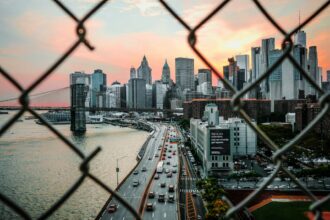





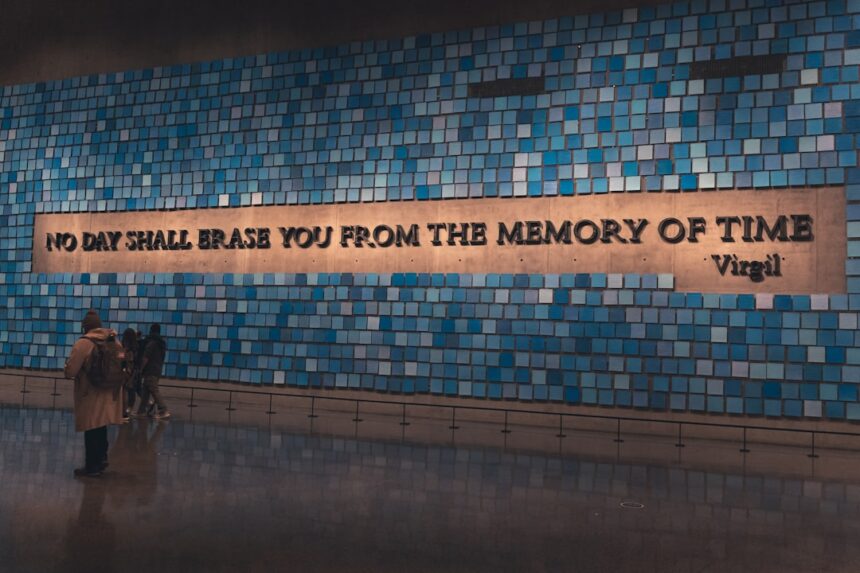
Places can shape memory in ways that are easy to notice when familiar streets, shops or buildings change. A neighbourhood landmark may become part of someone’s personal history simply through years of repeated encounters. When it disappears, the loss can feel larger than the physical change itself.
How Places Accumulate Meaning
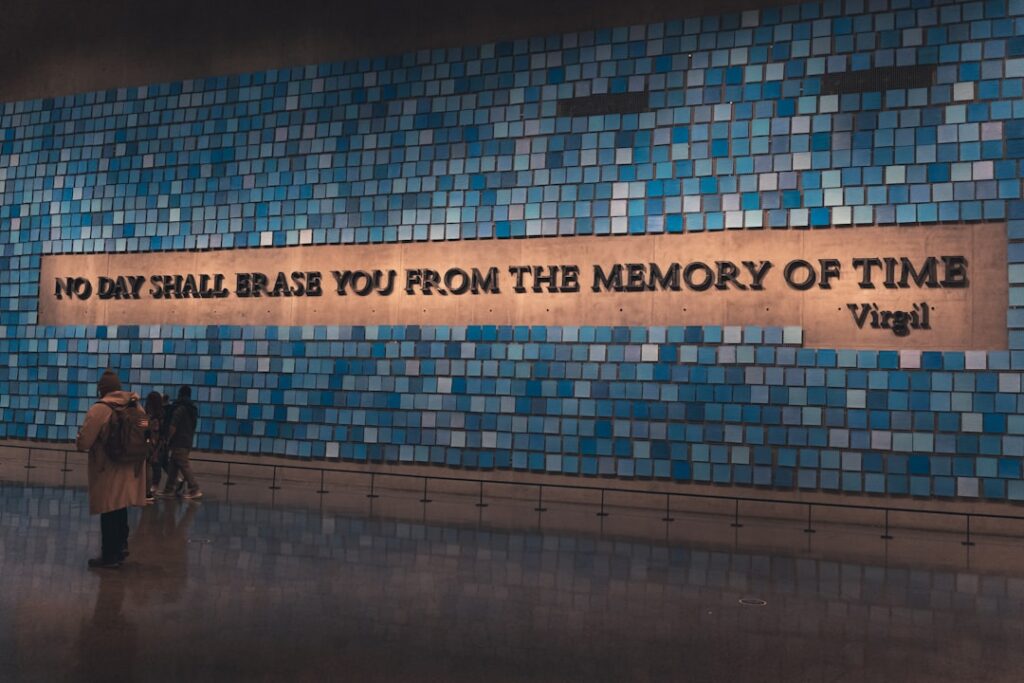
Buildings and streets are used by different generations, and ordinary routines give them meaning. A café, bookshop, library or public square can become associated with particular people and periods of life. Those associations are personal, but they can also become part of a community’s shared memory.
Official Heritage and Personal Memory
Heritage protection tends to focus on buildings, landscapes and other features that have recognised historical value. Personal memory works differently. Residents may attach importance to an ordinary shop, pub or street corner that would never appear on an official heritage register.
That difference can create tension when neighbourhoods change. A building may be preserved while its original use disappears, or a familiar landmark may be replaced altogether. The physical structure is only one part of the meaning people attach to a place.
What Happens When Familiar Places Disappear?
When a familiar landmark is removed, people can lose a useful point of reference as well as a piece of personal history. Communities may also lose shared meeting places and the everyday experiences that connect different generations.
Digital life makes it possible to preserve photographs, archives and stories, but it does not fully replace the experience of sharing a physical place. Cultural life continues to depend on libraries, museums, shops, public spaces and other locations where people encounter one another.
The challenge for cities is therefore not simply to preserve old buildings. It is to retain enough continuity for residents to recognise a connection between the place they remember and the place they inhabit now.