






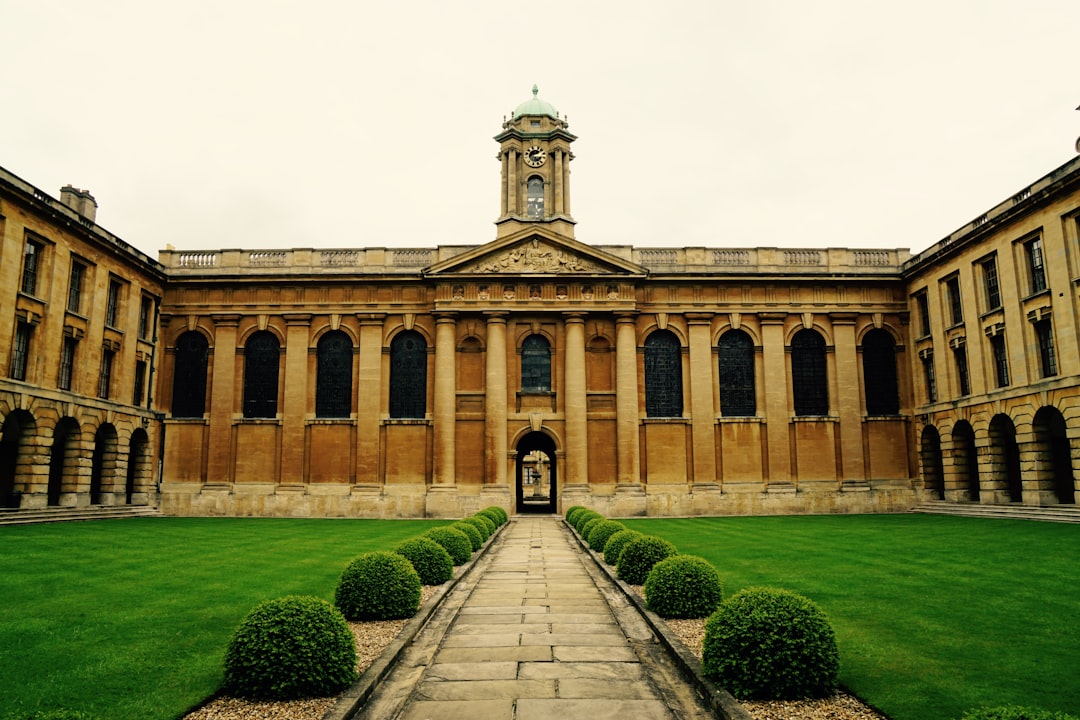
Oxford’s literary reputation is easy to romanticise. The city has accumulated an unusually dense collection of writers, readers, libraries and stories, and that history is now part of the way Oxford presents itself to the world. But the more interesting question is not simply which famous authors passed through the city. It is why Oxford has proved so productive as a place for writing in the first place.
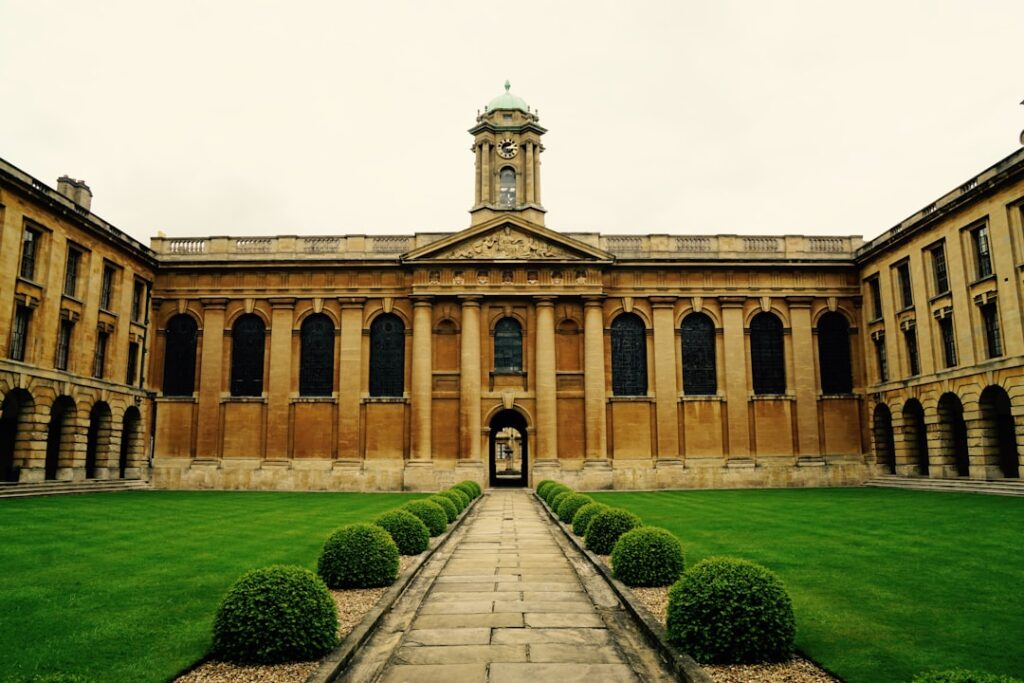
A City Built Around Books
The obvious starting point is the Bodleian. Its importance is not only symbolic. A city organised around major libraries, colleges and publishers creates practical conditions in which books remain unusually visible. Research, teaching, browsing and conversation overlap. For generations of students and writers, a book in Oxford has rarely been just something read alone; it is also something discussed over lunch, argued about in tutorials and encountered again in bookshops or public lectures.
The Bodleian Libraries now form one of the largest library systems in the UK, but the significance of that network can be felt on a very ordinary scale: in the routine of walking from a reading room into a street where books, colleges and cultural institutions remain close together.
Writers Did Not Experience the Same Oxford
It is tempting to compress Oxford’s literary past into a neat line running from Lewis Carroll to J.R.R. Tolkien and C.S. Lewis. The reality is less tidy. Writers encountered the city from different social positions, periods and disciplines. Some were deeply embedded in university life; others drew more from Oxford’s streets, landscape or social tensions.
That variety matters. The same city can appear as a place of fantasy, scholarship, satire, nostalgia or exclusion depending on who is looking. Oxford’s value to literature lies partly in this instability. Its buildings and institutions carry strong associations, but writers keep finding different uses for them.
Literary Memory Can Become Too Neat
Oxford is also very good at turning literary history into landmarks. Pubs, colleges, graves, libraries and former homes acquire plaques and stories. That can make literature approachable, but it can also reduce writers to a walking-tour version of themselves.
The better way to use the city’s literary history is as an invitation back to the books. Knowing that a writer lived or studied in Oxford may add context, but the real inheritance survives in reading, discussion and new work. That is why the city’s present-day reading culture matters as much as its famous names.
Oxford became a literary city because books have long been woven into its institutions and daily routines. Its future as one will depend less on preserving a polished mythology than on keeping those routines alive.