






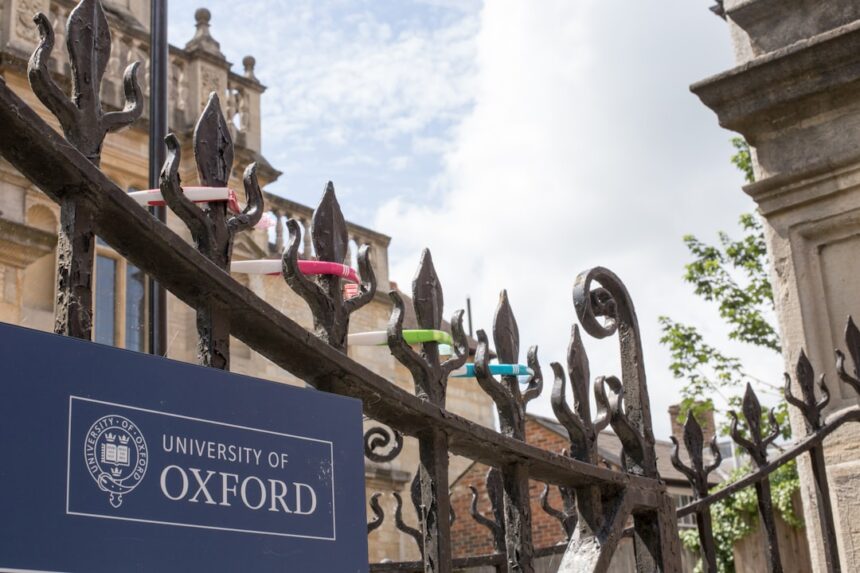
Oxford’s music life is unusually compressed. Choral music, student ensembles, chamber concerts, pub sessions and small contemporary gigs can exist within a short walk of one another. The interesting part is not simply the number of performances. It is the way very different musical traditions share the same city.
Formal Traditions Still Shape the Sound of the City
College chapels and choirs remain a visible part of Oxford’s musical identity. Choral evensong, recitals and student ensembles connect music to institutions that have been performing it for generations.
But tradition is not the same as stasis. Repertoire changes, performers change and audiences change. Historic spaces continue to be used by people with very contemporary musical lives.
Venues Change the Way Music Is Heard
A chamber work in the Holywell Music Room does not feel like a band in a pub or a student performance in a college hall. Scale matters. So do acoustics, seating, ticket prices and the social expectations of the room.
This variety is one reason Oxford’s music culture is difficult to reduce to a single tradition. The city’s formal and informal scenes overlap, but they do not sound the same.
Student Music Keeps the Scene Moving
Students are not only audiences. They organise concerts, form ensembles, book rooms, rehearse, promote events and create temporary communities around performance. Some projects last a term. Others continue long after graduation.
The City Beyond the College Walls
Oxford’s musical life also belongs to residents, local bands, community choirs, venues and regular audiences with no formal university connection. That distinction matters. A city scene becomes interesting when different groups use the same cultural infrastructure for different reasons.
Music in Oxford is therefore less a single heritage than a set of overlapping habits: rehearsing, listening, performing, returning to the same venue and occasionally hearing something unexpected.