






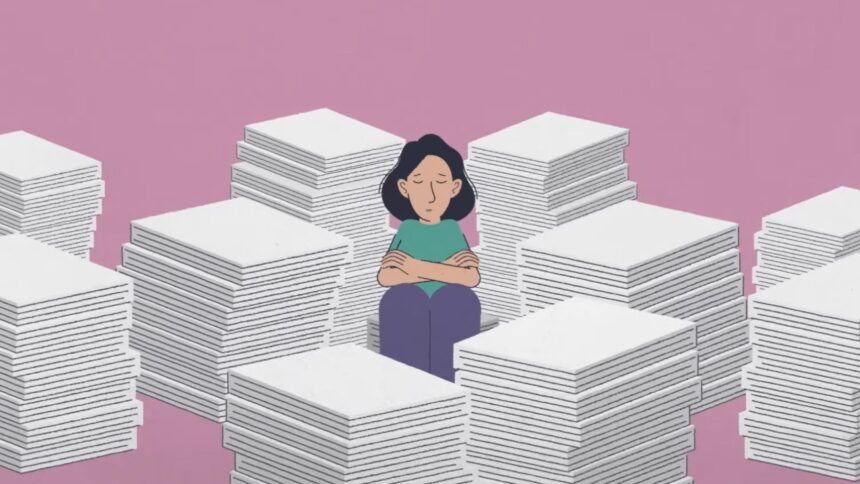
From the outside, hoarding can look like a problem of tidiness: too many possessions, rooms that are difficult to use, objects kept long after other people would throw them away. That description misses most of what is happening.
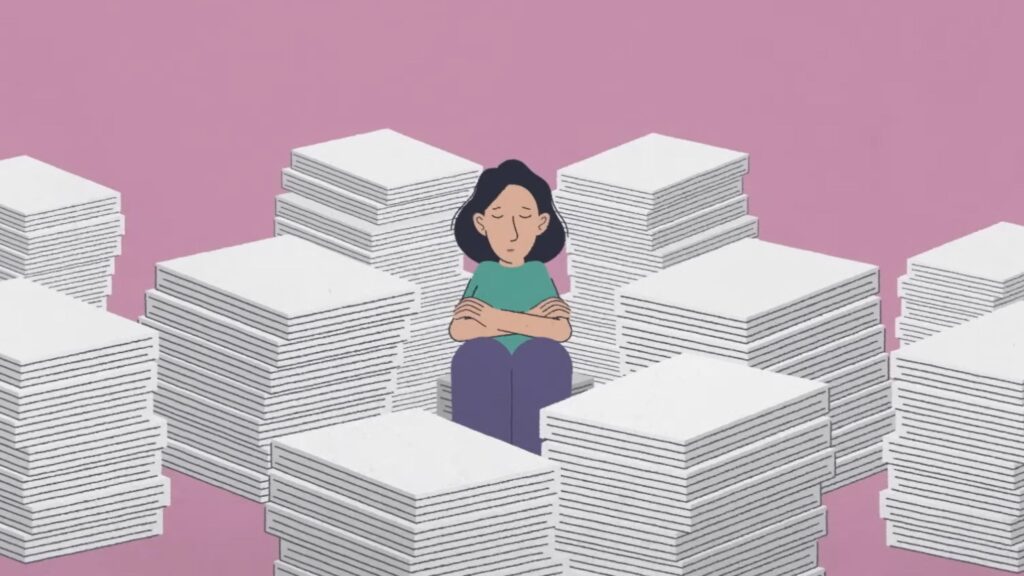
Hoarding disorder involves persistent difficulty discarding possessions, often alongside significant distress and disruption to everyday living. It is recognised as a mental health condition, not simply a failure to organise a home. The distinction matters because shame and ridicule can make an already difficult situation harder to discuss.
Why Objects Can Become Hard to Let Go
Possessions do not all carry the same meaning. A receipt may look worthless to one person and feel like evidence of an important period of life to another. An old appliance may represent usefulness, security or the fear of needing something later. In some cases, grief or difficult experiences can become entangled with decisions about possessions.
That does not mean every case has one emotional cause. It is better to avoid neat explanations. What matters is that discarding can feel far more consequential to the person involved than it appears to somebody standing outside the situation.
Compassion Is Not the Same as Minimising the Problem
Living spaces can become unsafe or unusable, and relationships may become strained. Taking the condition seriously means holding both facts at once: the practical consequences can be severe, and contempt is rarely useful.
The NHS overview of hoarding disorder explains the condition in practical terms and outlines when professional support may be appropriate. It is a better starting point than assuming the answer is simply to clear everything out.
Listening Before Judging
Personal accounts, including those explored by broadcasters and researchers, are useful because they reveal the gap between the visible clutter and the reasoning or distress behind it. That gap is easy to ignore.
Understanding hoarding does not require romanticising possessions or denying the difficulties involved. It requires recognising that a crowded room can be the visible part of a much more complicated problem.