





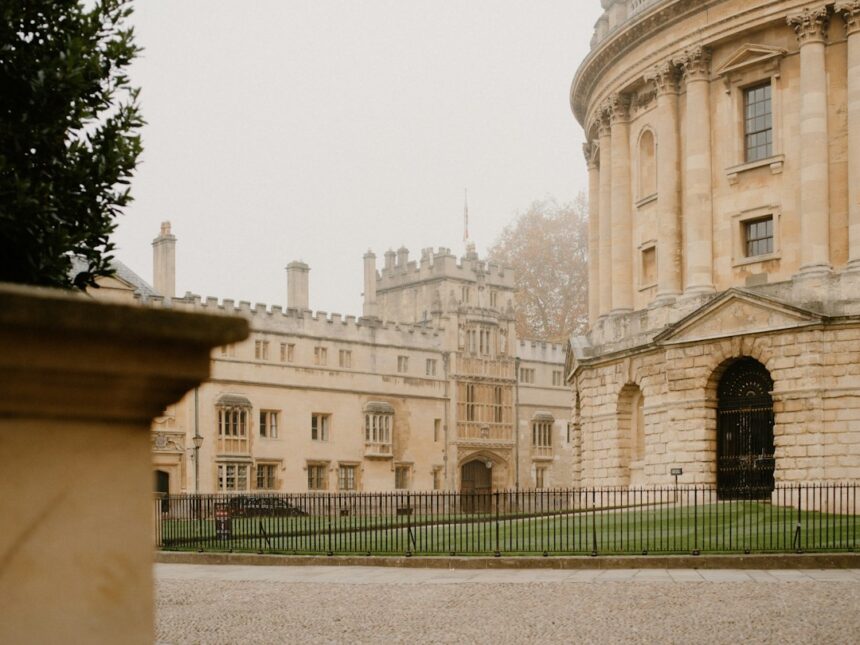
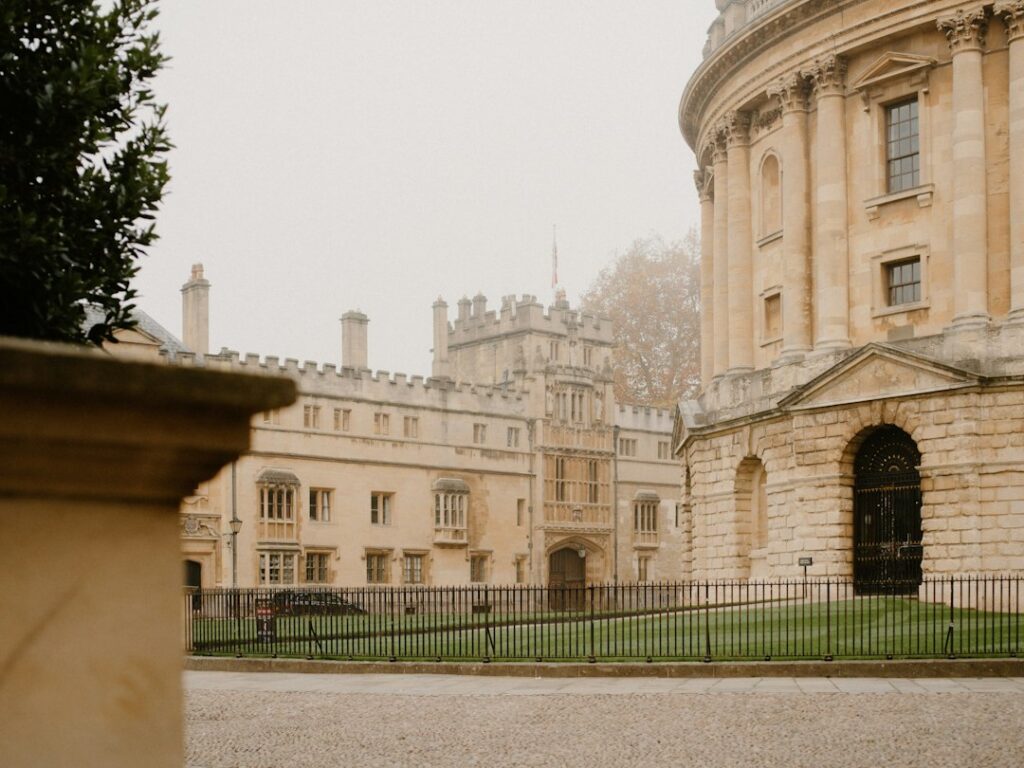
Oxford rainy days arrive without grand announcements, shifting the pace of the streets before anyone quite notices. Water darkens the limestone façades, and bicycles are abandoned hastily against rusted railings. Puddles pool quickly around the cobblestones of Radcliffe Square, reflecting grey stone and heavy skies. Movement through the city slows down. Pedestrians pull collars high and lean into the wind, abandoning straight paths for the nearest overhang. A sudden downpour alters the urban rhythm, turning busy corridors into quiet tunnels of sound. For those who study the culture of observation, this atmospheric shift reveals the underlying mechanics of a university town caught off guard by the weather.
Arrival
The first hour of persistent rain demands an immediate adjustment from those caught outside. Umbrellas snap open in unison across Broad Street, creating a shifting canopy of dark nylon. Coats grow heavy. Footsteps echo more sharply under stone arches. The air smells of wet slate, damp wool, and wet earth blown in from the surrounding meadows. People hurry toward doorways, seeking immediate refuge from the sudden chill. This initial arrival of foul weather strips the streets of casual wanderers, leaving only purposeful commuters and resolute couriers behind. The city contracts, pulling its population inward from the exposed quads and open quadrangles.
Shelter
Dry thresholds offer immediate relief from the elements. Heavy timber doors swing inward, releasing the smell of radiator heat and old paper into the damp air. Porters nod from their wooden desks, welcoming dripping coats and misted glasses. People shake out umbrellas on stone flags. Silence settles over lobbies as visitors transition from the chaotic roar of the storm to the steady hush of interiors. The thick walls insulate against the wind, muffling the church bells and the traffic on George Street. Here, under high ceilings, the morning rush is completely forgotten, replaced by a collective pause in the daily routine.
Waiting
Inside the doorways, time stretches out. People check their phones or simply watch the water run in thin sheets down exterior windowpanes. A few shake water from their bags. There is no rush to step back into the storm. This unplanned waiting creates a strange, temporary community among strangers trapped by the weather. Conversations are brief, polite, and hushed. Cups of coffee are clutched with both hands for warmth. The city outside remains blurred by water, while inside, individuals find their own rhythm, adjusting schedules to match the grey, unyielding tempo of the afternoon storm clouds overhead.
Browsing
With shelter secured, attention naturally turns toward the shelves lining the walls. Independent bookshops and vast institutional rooms invite slow, meandering searches. Fingers trace leather spines and paper covers. Pages rustle in quiet corners. Visitors examine old prints, folded maps, and heavy monographs without a fixed agenda. When exploring larger cultural institutions, a visit to the Ashmolean Museum provides endless galleries where hours pass unnoticed among ancient pottery, classical sculpture, and quiet oil paintings. Rain taps softly against high glass roofs, serving as a distant metronome while visitors move from display case to display case, losing track of the afternoon entirely.
Lingering
Later, the impulse to leave fades, replaced by a desire to stay seated as the afternoon dims. Tables near windows become prime real estate. People nurse lukewarm drinks and watch the streetlamps flicker on hours too early. Conversations drop to murmurs. The lighting inside shifts from natural grey to a warm, amber glow that highlights floating dust motes. Those who understand café reading settle deeper into wooden chairs, turning page after page while the storm continues to churn outside. The walls hold the warmth, creating a distinct microclimate far removed from the cold dampness of the Radcliffe Camera yard.
Leaving
Eventually, the rain eases to a fine, steady drizzle, and the heavy doors must open again. The air outside is sharp and clean, smelling of wet asphalt and freshly washed leaves. Pavements shine like polished slate under the streetlights, mirroring the glowing windows of the shops. Bicycles are retrieved, straps adjusted, and hats pulled down low. The city resumes its movement, but the heavy atmosphere of the storm lingers in the damp stone and deep puddles. People step out into the evening, carrying the quiet of the interiors back into the open, wet streets of the university town.