






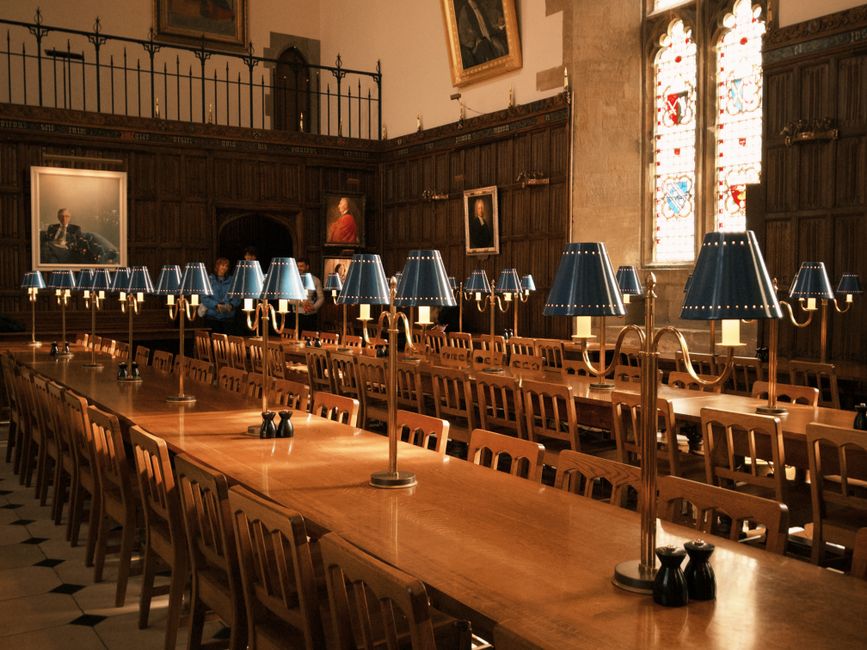
Oxford’s libraries are not all the same, and that is part of their value. Some are grand and ceremonial. Others are functional, quiet and almost anonymous. Together they shape how study feels in the city.
The obvious attraction is access to collections. But students and researchers also use libraries for something less measurable: structure. A reading room gives the day a boundary. You arrive, sit down, work, leave. In a period of scattered attention, that can matter as much as the shelves.
Study Is Quietly Social
Library work is solitary, but rarely completely isolated. A room full of people reading creates a shared rhythm without requiring conversation. That atmosphere can make difficult work easier to begin.
It is one reason the Bodleian and its network of subject libraries remain central to academic life even when so much material is available digitally. The Bodleian Libraries are not only repositories; they are working environments used every day.
Different Rooms Produce Different Habits
A historic reading room encourages one kind of attention. A modern subject library with group areas, screens and flexible desks encourages another. Neither is inherently superior.
What matters is that students can move between environments depending on the task: concentrated reading, note-taking, collaborative work or a short session between classes.
The Library Beyond the Image
Oxford’s libraries are often photographed as symbols of scholarship. The everyday reality is less romantic: laptop chargers, deadlines, whispered questions, unavailable seats and people trying to finish a paragraph before lunch.
That ordinary use is precisely why the libraries matter. They are not monuments to study. They are places where study actually happens.