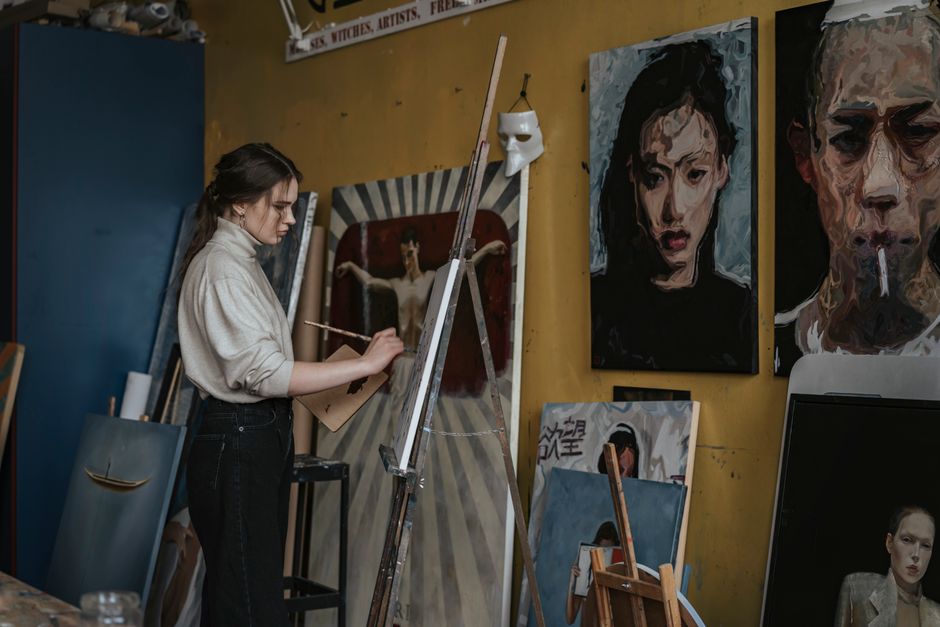





Urban creativity begins in a modest room behind a locksmith’s shop, where the linoleum is scuffed and the radiator clanks whenever the boiler fires. On Tuesday morning, a local printmaker uses the space to press woodcuts on a heavy tabletop. By Tuesday afternoon, a community choir rearranges the chairs to test a four-part harmony before the evening damp sets in. This is not a grand cultural institution designed to impress municipal visitors, nor is it a temporary activation funded by corporate branding. It is simply a room with four walls, an electrical outlet, and a modest rent that a small collective can manage through pooled contributions. When we examine how culture sustains itself across historic university towns and dense urban neighbourhoods, we tend to look at flagship concert halls and major museums. Yet the true engine of local culture runs on these ordinary, unpretentious physical assets. Understanding what makes a city creative requires looking past landmark architecture to examine the mundane spaces where actual work gets done week after week.
Affordability and the Reality of Floor Space
The foundation of any working cultural ecosystem is not inspiration or visionary leadership, but cheap square footage. Urban creativity cannot survive in environments where every square metre must immediately yield commercial retail returns. When small independent bookshops, back-alley galleries, and basement workshops are priced out by aggressive real estate speculation, the city loses its capacity for experimental trial and error. Affordability acts as an oxygen supply for practitioners who need time to fail, revise, and start over without the crushing weight of high overheads. A modest cafe basement or an underused parish hall provides a buffer against the financial panic that halts ambitious projects before they take shape. When rents remain stable enough for an illustrator or a poet to rent a corner desk, the local economy benefits from unpredictable outcomes that commercial landlords rarely subsidise.
Repetition and the Power of Routine
Creativity in urban areas relies less on sudden strokes of genius and more on the unglamorous mechanics of repetition. A painter does not produce sustained work by waiting for dramatic breakthroughs; they show up at the same studio desk at nine o’clock every morning because the rent is paid and the light is dependable. Small venues and local workshops foster this necessary discipline by offering consistent access without the bureaucratic hurdles of larger institutional spaces. When writers, makers, and musicians can access a familiar room day after day, routine replaces anxiety. This daily return to the same physical coordinates allows complex projects to grow incrementally. The city thrives when its residents do not have to travel an hour across town just to find a quiet table or a sink to wash brushes, embedding creative practice into the unhurried rhythms of everyday urban life.
Cross-Pollination in Confined Rooms
Physical proximity within small venues forces unexpected collaborations that would never happen in segregated, single-purpose buildings. When a printmaker shares a kitchen alcove with a community archivist and an independent podcaster, accidental conversations alter project directions. Urban creativity often emerges from these friction points, where different disciplines share resources out of necessity. Unlike sprawling corporate incubators designed with sleek glass partitions, cramped physical spaces encourage a porous exchange of techniques and perspectives. A historian dropping by to check reference notes might end up designing a typography layout for an experimental pamphlet. This casual, low-stakes sharing of knowledge keeps local culture adaptable, preventing artistic disciplines from becoming isolated in rigid academic or commercial silos.
Visibility Beyond the Main Streets
Culture in a resilient city must be visible not just as a consumer product on a main shopping avenue, but as a participatory practice embedded in neighborhood side streets. Small galleries, community libraries, and independent workshop windows allow residents to witness the labor of making rather than just the finished exhibition. Grassroots creative participation thrives when local projects are visible from the pavement, signaling that cultural production belongs to the neighborhood rather than an exclusive downtown elite. Organizations such as Creative Lives document how everyday people sustain these community-led cultural traditions across various regions. When an open studio invites passersby to look in through a steamy front window, it demystifies the creative process and encourages participation from people who might otherwise feel alienated by intimidating public institutions.
The Fragility of Informal Infrastructure
Despite their immense value, these small physical spaces exist in a state of permanent vulnerability. Rapid development, rising commercial rents, and shifting municipal priorities continually threaten the unassuming rooms that sustain local culture. When informal venues and independent cafes are forced to close, they are rarely replaced by similar spaces; instead, they give way to chain stores or luxury apartments that offer no room for experimentation. Relying entirely on informal spaces without formal recognition or structural protection leaves urban culture exposed to the whims of the property market. A city cannot simply assume that new creative energy will always find a makeshift home in the margins. Protecting the physical infrastructure of small venues is essential if urban areas wish to maintain the diverse, unpredictable energy that makes living in them worthwhile.