




Cultural Memory is rarely forged through grand monuments alone; it is continually built and maintained through the everyday urban choices made by city planners, historians, and ordinary residents. Consider the contrast between a bronze commemorative plaque mounted beside a busy tourist thoroughfare and an unnoticed bench or stone wall that locals quietly rely on during their daily routines. The plaque demands attention, translating a specific historical date into an official narrative meant to be read, acknowledged, and absorbed by passersby. Yet the weathered wooden bench, though devoid of any formal inscription, holds far more immediate weight for the neighborhood, retaining the practical rhythm of daily life and quiet observation. Cities are layered texts composed of what is carefully selected for preservation and what is quietly left to fade into the background. Urban spaces reveal their priorities not just in their spectacular landmarks, but in the subtle decisions about what deserves a marker and what remains uncelebrated. This process of selection shapes how generations understand their surroundings, turning physical geography into an ongoing dialogue between public intention and private experience. The urban environment acts as an open archive where civic values are inscribed into stone, metal, asphalt, and open green spaces.
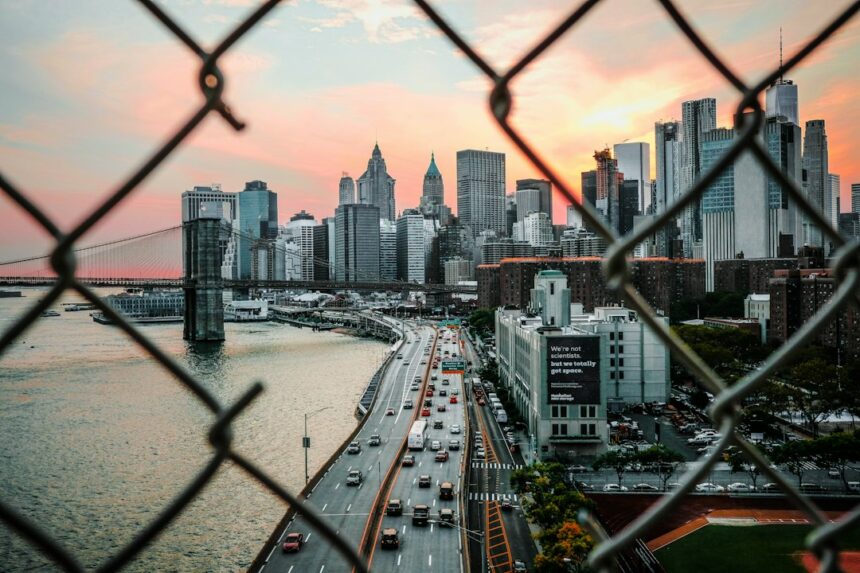
Every urban landscape balances between deliberate preservation and organic evolution. Walking down any historic street reveals how the past is curated for public consumption. Stone facades are cleaned, gas lamps are restored, and medieval street plans are preserved beneath modern foot traffic. These acts of urban curation require substantial resources and ideological alignment. When a municipality decides to designate a specific district as protected or to erect a statue in a central plaza, it engages in a deliberate act of prioritization. This selection process inevitably reflects the prevailing social consensus of the era in which the choice is made. Cities change constantly, but their official markers freeze specific moments in time, attempting to anchor a shifting population to a fixed historical narrative. Urban planners and local authorities act as editors of the cityscape, deciding which chapters of local history remain visible and legible to the general public. Through these structural choices, the city tells its inhabitants who they are supposed to have been, and by extension, who they are expected to become.
The Architecture of Official Memory
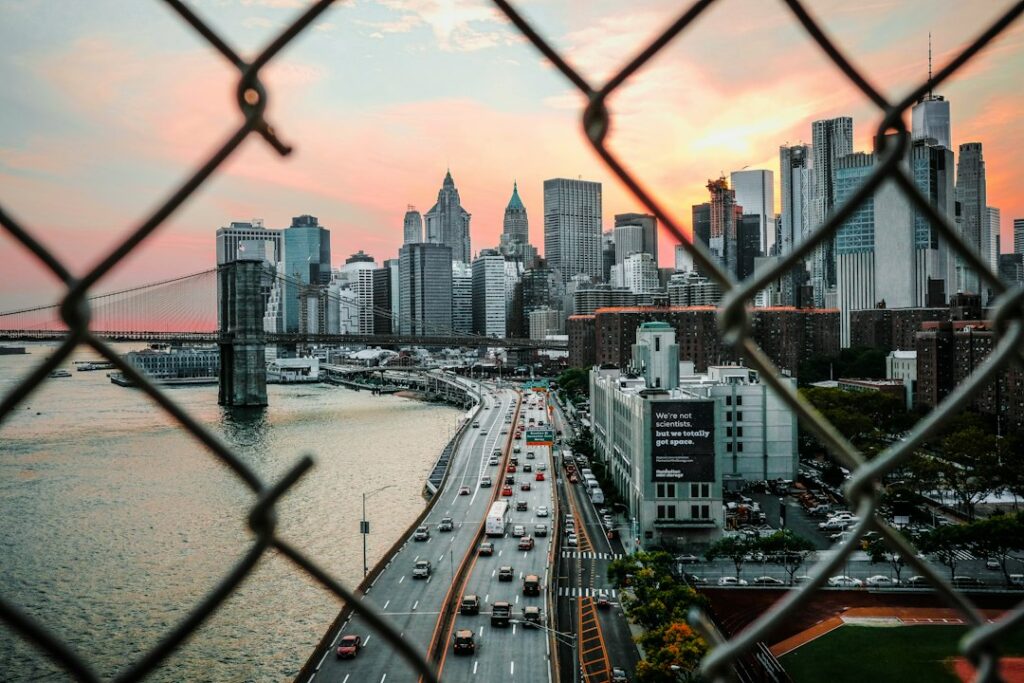
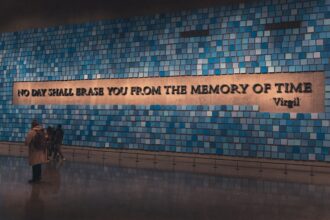
Official memory relies heavily on monumental architecture, street naming conventions, and state-sanctioned markers designed to instill a sense of civic pride and historical continuity. Governments and municipal councils invest heavily in maintaining these visible reminders because they provide a stable framework for public identity. A bronze plaque on a government building or a towering obelisk in a central square does not merely record a past event; it actively frames how that event should be interpreted by modern citizens. These physical installations are intended to be permanent, resisting the natural erosion of time and the shifting tides of popular opinion. They project permanence and authority, reassuring inhabitants that their society is built upon solid, enduring foundations. Such markers often celebrate statesmanship, military victory, scientific discovery, or literary achievement, creating a pantheon of approved figures whose contributions are deemed foundational to the community. This institutionalized remembrance creates a dominant narrative that easily permeates educational curricula and tourism campaigns alike, standardizing the way a city presents its heritage to the outside world. Yet, this top-down approach inevitably leaves gaps, as monumental structures can only accommodate a fraction of human experience, leaving vast portions of local history unacknowledged by official channels.
To sustain these large-scale efforts, communities rely on comprehensive documentation preserved by specialized institutions. For example, exploring extensive repositories such as the Imperial War Museums collections illustrates how large cultural bodies curate and safeguard artifacts from periods of immense societal upheaval. These physical and digital archives house uniforms, personal letters, photographs, and everyday objects that provide tangible evidence of historical realities far beyond what a single monument can convey. Institutions of this scale operate with the explicit mission of preventing historical amnesia, transforming scattered fragments of the past into accessible records for researchers, students, and curious citizens. They employ rigorous preservation techniques to ensure that fragile paper, decaying film, and weathered metal survive for future generations. By organizing these materials into searchable databases and physical exhibitions, cultural institutions bridge the gap between abstract historical dates and the human lives affected by them. They demonstrate that preserving the past is an active, ongoing labor requiring climate-controlled vaults, meticulous cataloging, and continuous financial support. Without these institutional anchors, official narratives would float untethered from verifiable evidence, losing their grounding in the actual documentation of human history.
Museums, Archives, and the Storage of Time
Museums and public archives function as the intellectual storehouses of urban societies, housing the physical evidence that substantiates historical claims. Unlike outdoor monuments exposed to the elements and casual glances, museum collections are protected, categorized, and contextualized within specialized indoor environments. These spaces allow visitors to engage with the past through material culture, examining everything from ancient pottery fragments to industrial machinery and contemporary art pieces. The curation within these walls involves difficult choices about display space, lighting, and narrative framing. Every exhibition represents an editorial stance, highlighting certain artifacts while relegating others to deep storage basements. This selectivity is necessary due to spatial constraints, but it also underscores the curated nature of historical knowledge. Archives perform a parallel function for documents, manuscripts, and municipal records, offering scholars direct access to the raw data of bygone eras. These repositories are quiet sanctuaries where the dust of centuries is cataloged into orderly rows of acid-free boxes and digital servers. The work carried out by archivists and curators is largely invisible to the casual city dweller, yet it sustains the intellectual backbone of urban culture. By maintaining these vast repositories, cities ensure that their historical claims can be scrutinized, verified, and reinterpreted as new perspectives emerge over time.
The transition from private collection to public archive represents a critical moment in the life cycle of historical artifacts. When a family donates a box of letters, photographs, and diaries to a local library or museum, those items cross a threshold from personal nostalgia into the domain of public study. They become available to historians tracing demographic shifts, economic pressures, or social movements through individual lived experiences. This process enriches the reading habits and everyday intellectual life of the broader community by grounding abstract historical theories in tangible, human-scale evidence. Scholars can consult original sources to understand how past generations navigated crises, pursued education, or engaged with civic institutions. The archive thus serves as an open invitation for ongoing inquiry, ensuring that history remains a subject of active research rather than dogmatic acceptance. It prevents the past from becoming a monolith, offering instead a mosaic of conflicting viewpoints, private anxieties, and unexpected joys. Through this meticulous preservation, cities maintain a living connection to the minds and hands that shaped their streets long before modern infrastructure transformed the urban landscape.
Contested Spaces and the Politics of Erasure
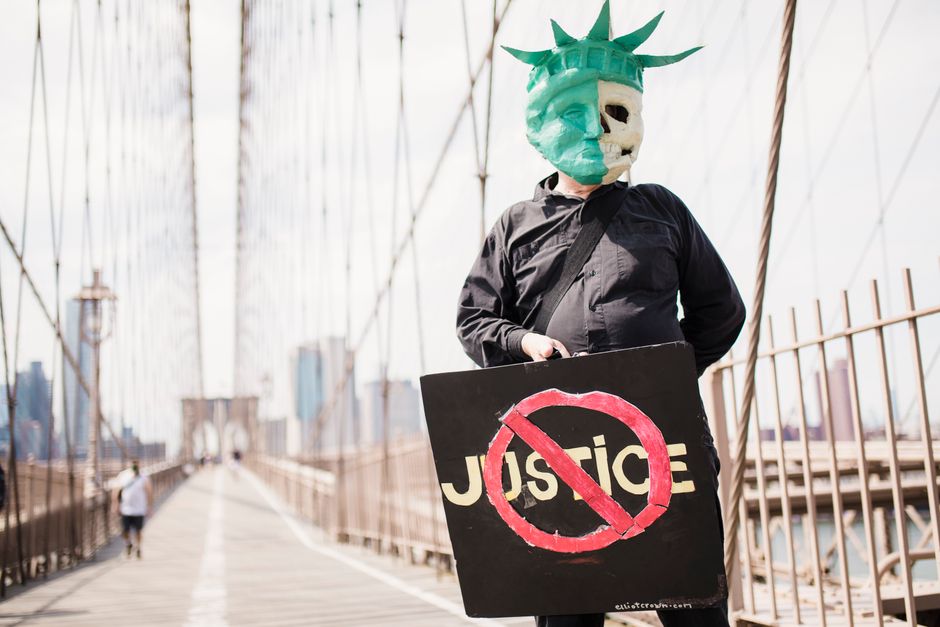
Public remembrance is rarely unanimous, and the urban landscape frequently becomes a battleground for competing interpretations of history. Statues are toppled, street names are changed, and plaques are removed when communities reevaluate the figures and events they wish to honor in public spaces. This dynamism demonstrates that the city is not a static museum piece, but a living organism reflecting contemporary debates and changing moral frameworks. Erasure and modification are as much a part of urban history as initial construction. When a monument is taken down or relocated, it signals a shift in societal values, an acknowledgment that the previous consensus no longer commands universal respect. These moments of public disagreement can be tense and polarizing, challenging the comfortable illusion of a seamless historical continuum. Disagreements arise over who gets to be remembered, whose suffering is recognized, and whose contributions are sidelined by dominant historical narratives. The debate is rarely about erasing history entirely; rather, it concerns the honor and prominence afforded to specific historical actors within contemporary civic life. As neighborhoods evolve and demographics shift, new voices demand representation in the public realm, leading to negotiations over monuments, murals, and memorial spaces. This ongoing renegotiation ensures that urban environments remain responsive to the people who inhabit them today, rather than remaining permanently beholden to the biases of past administrations.
Navigating these disagreements requires a delicate balance between respecting historical context and addressing modern ethical standards. Critics of monument removal often argue that altering the physical cityscape sanitizes the past, erasing the lessons that difficult figures and uncomfortable events can teach. Conversely, advocates for change maintain that public monuments are expressions of honor, not mere historical markers, and that celebrating controversial figures in central plazas inflicts ongoing harm on marginalized communities. This tension highlights the fundamental complexity of urban heritage management. Cities must decide whether to contextualize existing structures with explanatory signage, commission counter-monuments that offer alternative perspectives, or remove disputed objects entirely to specialized storage facilities. Each approach carries distinct philosophical and practical implications for how a society confronts its own history. The presence of conflict within public spaces is a sign of an engaged citizenry wrestling with its own origins. Far from being a sign of cultural decay, these public debates reflect a vibrant awareness that history is interpreted through the lens of the present. As cities continue to grow and diversify, the methods used to negotiate these historical disputes will define the character and inclusivity of modern urban culture.
Ordinary Remembrance in the Everyday City
Beyond official monuments and institutional archives lies a vast network of ordinary remembrance sustained by the daily habits of residents. This quiet form of memory does not require bronze plaques, marble columns, or guided tours to maintain its relevance. It lives on through the subtle routines of walking a familiar route, visiting a corner shop that has outlived corporate chains, or noticing the way afternoon light hits a particular brick wall. These micro-interactions build a deep, personal connection to the urban environment that formal institutions can rarely replicate. People attach stories to street corners, park benches, and doorways based on their own experiences and the inherited tales of their families and neighbors. This organic form of retention thrives on continuity and familiarity, providing a sense of stability in an otherwise fast-changing world. It is an egalitarian form of heritage, accessible to anyone willing to pay attention to their immediate surroundings. While official history focuses on monarchs, politicians, and catastrophic events, ordinary remembrance preserves the texture of everyday survival, local commerce, and neighborhood solidarity. It reminds us that cities are fundamentally human habitats built out of countless individual moments of connection, labor, and leisure.
Consider an ordinary city object carrying meaning without a label, such as a worn stone step outside a neighborhood bakery, polished smooth by decades of footsteps from people who never made it into the history books. No plaque explains its origins, no guide points tourists toward its location, and no museum curator has cataloged its wear patterns. Yet, that single step embodies the continuity of local life, holding the weight of generations who paused there to greet a neighbor, shelter from the rain, or begin a hard day of work. It communicates history through physical presence rather than textual explanation, inviting those who notice it to reflect on the passage of time without the mediation of an official narrative. This kind of silent testimony is scattered across every street and alley, waiting for observant residents to recognize its worth. By valuing these unheralded markers, urban dwellers participate in a continuous act of remembrance that honors the collective weight of ordinary existence. In doing so, they ensure that the soul of the city remains rooted not just in its famous landmarks, but in the quiet, enduring spaces where daily life quietly unfolds.