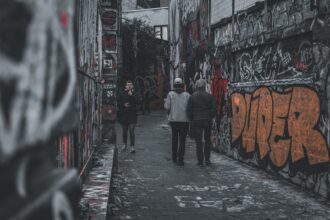





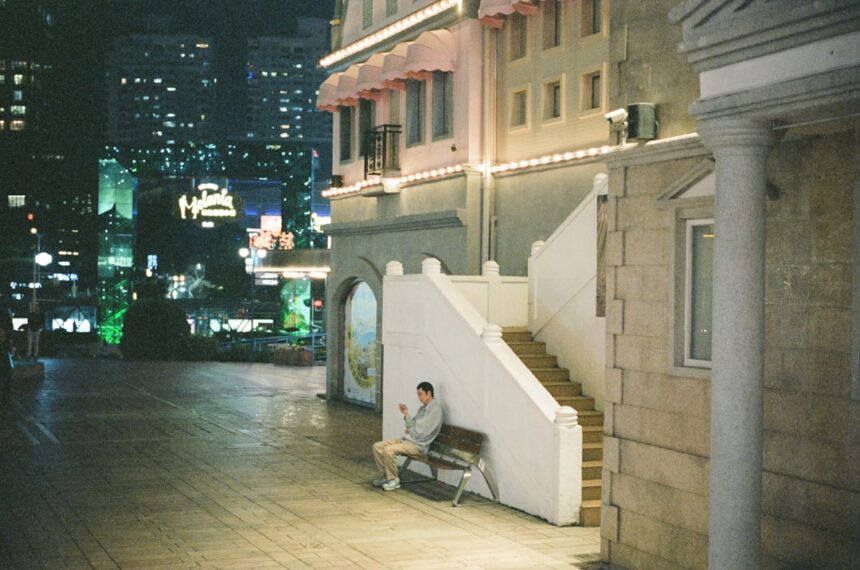
Urban Loneliness is a quiet paradox of contemporary metropolitan existence, unfolding daily amid dense crowds, shared transit systems, and towering residential blocks. Modern cities promise unparalleled connectivity, yet many residents navigate their daily routines feeling profoundly disconnected from their neighbors. As millions of people move into urban centers seeking community, culture, and professional opportunity, the sheer scale of the built environment often creates psychological distance rather than social cohesion.
Understanding this phenomenon requires looking closely at how daily routines and urban design intersect. When individuals navigate identical routes at identical times, passing hundreds of strangers without making eye contact, a specific brand of isolation takes root. This form of social detachment is not merely about being physically alone; it represents a structural absence of meaningful engagement within the public realm.
The Architecture of Routine and Distance
City life is governed by strict temporal rhythms. Commuter trains, peak traffic hours, and scheduled work blocks dictate how individuals move through physical space. Within this rigid framework, public encounters tend to be transactional rather than relational. People buy coffee, scan tickets, and pass through turnstiles with mechanical efficiency.
Over time, these repetitive movements transform vibrant neighborhoods into corridors of transit. Residents stop seeing their local environment as a place for lingering and start viewing it as a space to traverse as quickly as possible. This erosion of slow, unstructured time diminishes the likelihood of spontaneous neighborly interaction, reinforcing a cycle of detachment.
- Rigid commuting schedules that minimize accidental social encounters.
- High-density housing designs that prioritize privacy over shared communal areas.
- Commercial spaces optimized for rapid turnover rather than lingering conversation.
- The dominance of digital communication over face-to-face local engagement.
Public Spaces and the Social Fabric
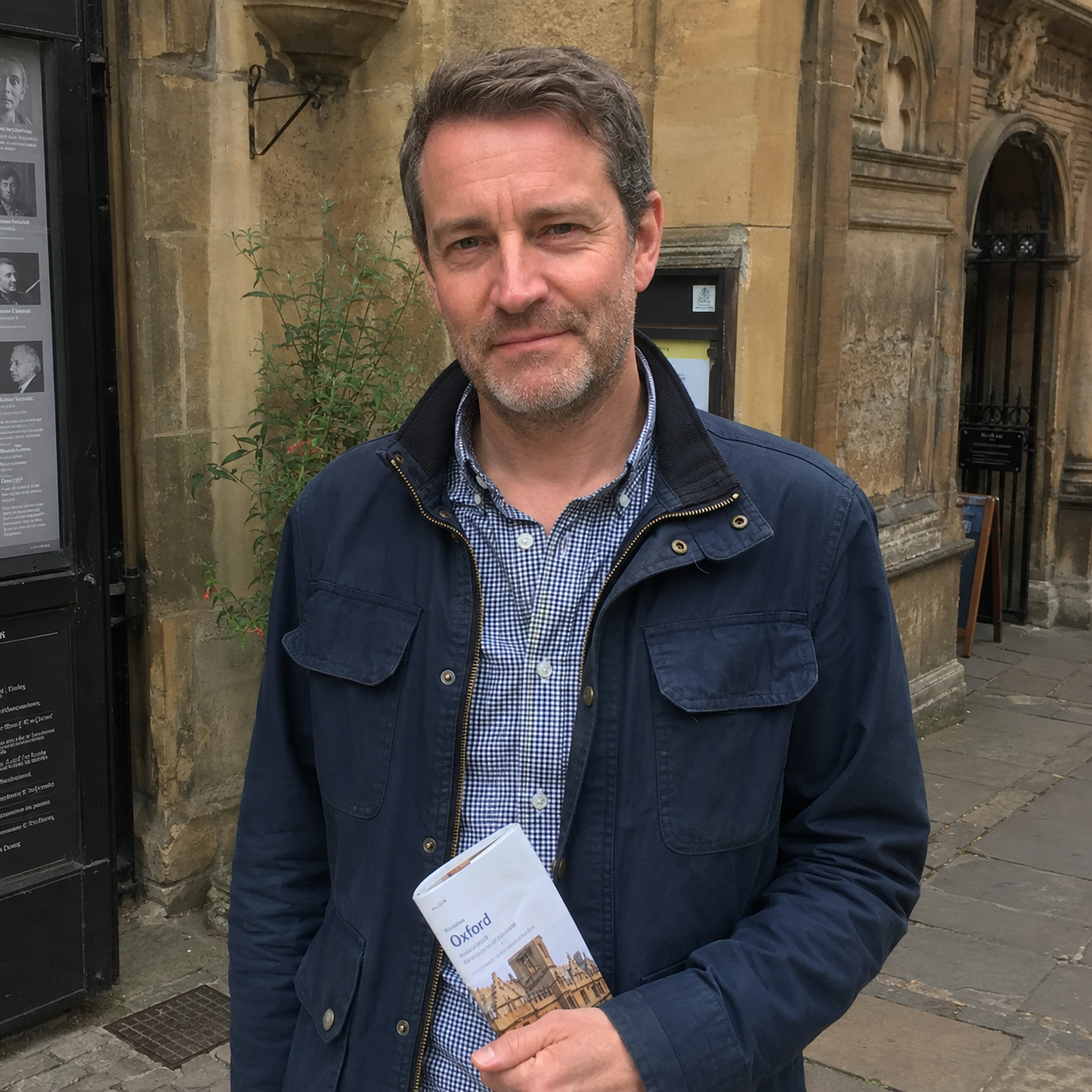
Parks, public squares, libraries, and neighborhood plazas have historically served as the social glue of towns and cities. When these public spaces are well-maintained and accessible, they invite people to pause, observe, and share physical space without pressure. For instance, exploring Oxford Public Spaces and Everyday City Life reveals how historic squares and academic courtyards foster a distinct sense of place and informal community belonging.
However, many contemporary urban developments fail to prioritize welcoming plazas or green areas. When public squares are replaced by sterile corporate plazas or heavily privatized zones, the opportunities for organic social mixing shrink. Without neutral ground where individuals from different walks of life can cross paths, the social fabric of the city frays. People retreat inward, retreating to private apartments behind secure doors.
Cultivating Connection in the Modern Metropolis
Mitigating isolation in large cities does not require massive demographic shifts; instead, it calls for a deliberate rethinking of local habits and municipal planning. Urban planners and residents alike are increasingly recognizing the value of walkable neighborhoods, independent local businesses, and community-led initiatives that bring people together around shared interests.
For instance, spending time in local neighborhood venues often shifts an individual’s relationship with their surroundings. Finding familiar faces in independent bookshops, community gardens, or neighborhood coffee houses helps transform an anonymous municipality into a network of recognizable places. Discovering local cultural spots through Oxford Beyond the Dreaming Spires Walking Tour demonstrates how intentional walking and exploration can deepen a person’s connection to the physical and social history of their city.
Furthermore, intellectual and cultural vitality plays a vital role in grounding residents. Engaging with local history, public lectures, and shared creative spaces allows individuals to feel part of a living tradition rather than passive observers of a concrete landscape. To explore how urban environments foster intellectual growth and community dialogue, consider reading more about Creative Cities and the Life of Ideas.
Toward a More Relational City
Ultimately, addressing the modern condition of isolation requires both structural adjustments and a personal willingness to slow down. Cities are fundamentally human projects, built out of collective aspirations, shared architecture, and common stories. By reclaiming public spaces for lingering, supporting neighborhood institutions, and treating daily transit as an opportunity for awareness rather than mere escape, urban dwellers can begin to mend the social fabric of modern city life.